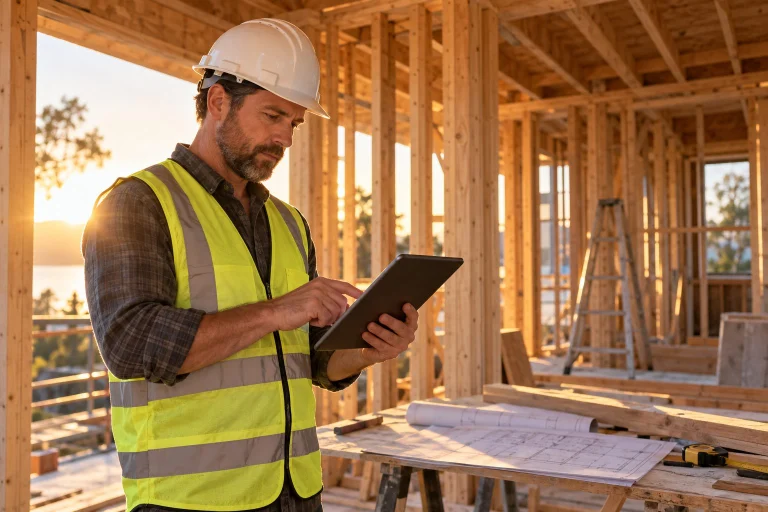

What this profile means
A high-capital franchise requires a large initial investment, usually because the model depends on purpose-built real estate, extensive equipment and a sizable staff. Typical categories include full-service and quick-service restaurants, hotels, large-format fitness centers, childcare and education centers, entertainment venues and some automotive concepts. Customers are generally consumers and families, and revenue comes from high transaction volume, memberships or tuition rather than individual service calls.
The scale brings both potential and exposure. A well-located unit can serve a large customer base, but lease or construction commitments, debt service and payroll create high fixed costs from opening day. These businesses are usually run by a general manager and a management team, with the owner focused on finance, oversight and growth. They tend to suit experienced operators, executives and investor groups who can absorb a longer ramp and keep reserves on hand.
Why buyers choose it
- Established demand Many high-capital concepts serve broad, everyday consumer needs in high-traffic locations.
- Management-led model The scale usually supports a general manager and leadership team, letting the owner work on the business rather than in it.
- Tangible assets Real estate, equipment and a built location can add asset value, though they also add fixed cost and complexity.
Investment and financing
High-capital franchises often run from roughly $750,000 to several million dollars all in, depending on whether you lease or build, site size, construction costs, equipment and pre-opening payroll. Most buyers combine substantial equity with bank or SBA-backed financing, and franchisors often set minimum net worth and liquidity requirements. Plan for working capital through a longer ramp, and study Item 7 of the Franchise Disclosure Document line by line.
Time and role
The owner typically acts as an executive rather than an operator: securing the site, overseeing construction, hiring and holding a general manager accountable, and watching financial performance closely. Hours are heavy during development and opening, then often ease into strategic oversight. Some franchisors require an owner or designated operator to complete training and stay closely involved, so ask what is expected.
What to evaluate
- Real estate terms, including lease length, personal guarantees and who controls site selection
- Construction timelines and cost overruns reported by recent openings
- The franchisor's net worth and liquidity requirements, and how much debt the model can carry
- Labor needs and how existing owners recruit and keep general managers
- Remodel, equipment refresh and renewal obligations over the full term
Who tends to do well
This suits experienced operators, former executives and investor groups with significant capital, access to financing and a long time horizon. It works best for buyers who can lead managers rather than front-line staff, tolerate high fixed costs and keep enough reserves to carry the business through a slower than expected opening.
Questions buyers ask
What counts as a high-capital franchise?
There is no formal threshold, but the label generally applies to concepts whose total investment reaches the high six or seven figures, usually because of real estate, construction and equipment. Item 7 of the Franchise Disclosure Document shows each brand's estimated range.
How do buyers finance a high-capital franchise?
Most combine personal equity with bank loans, SBA-backed loans or equipment financing, and some form partnerships or investor groups. Lenders and franchisors set their own requirements, so speak with a franchise-experienced lender early in your research.
Do high-capital franchises earn more?
A larger investment does not guarantee higher returns. Performance depends on location, management, costs and the brand. Review Item 19 of the Franchise Disclosure Document, if the franchisor provides it, and speak with several current owners before drawing conclusions.