How food and restaurant franchises work
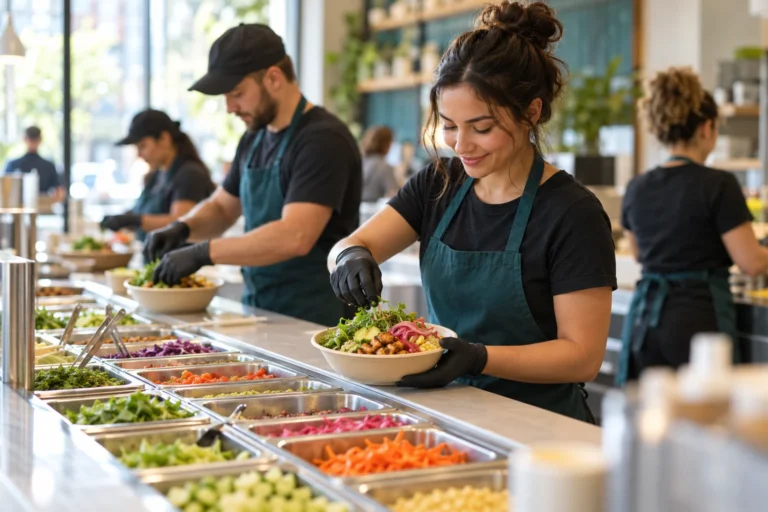
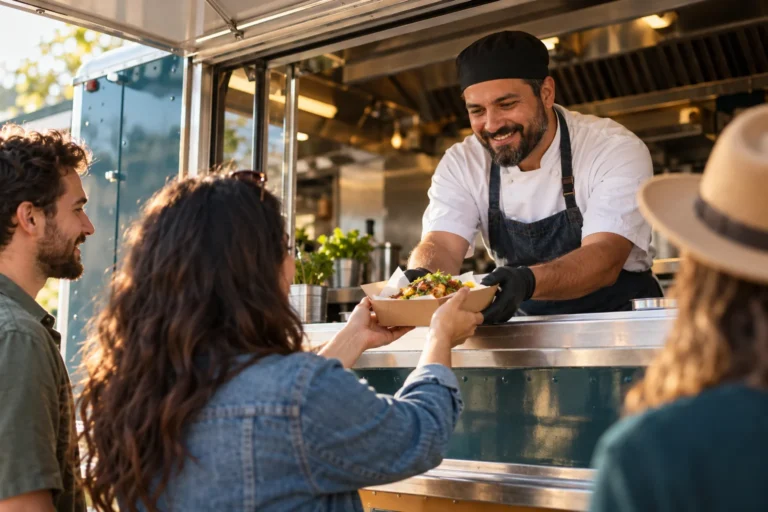
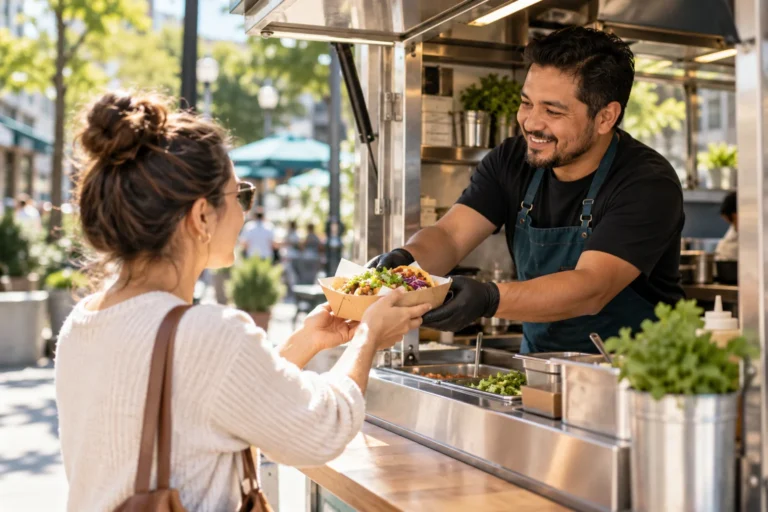
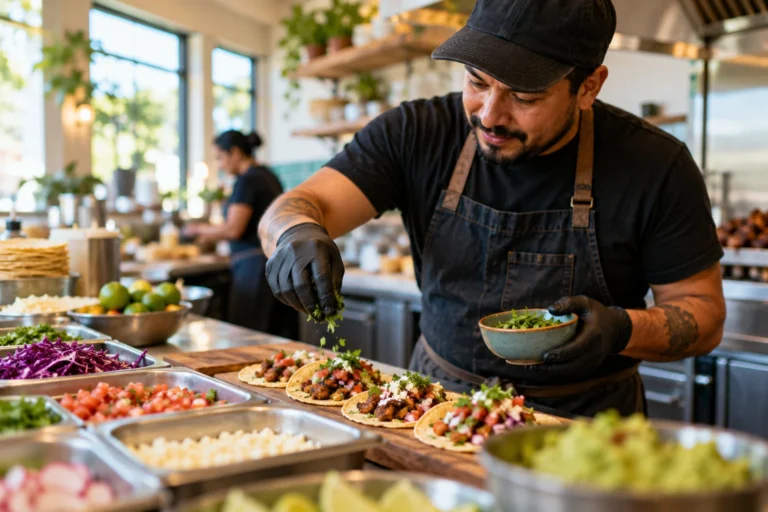
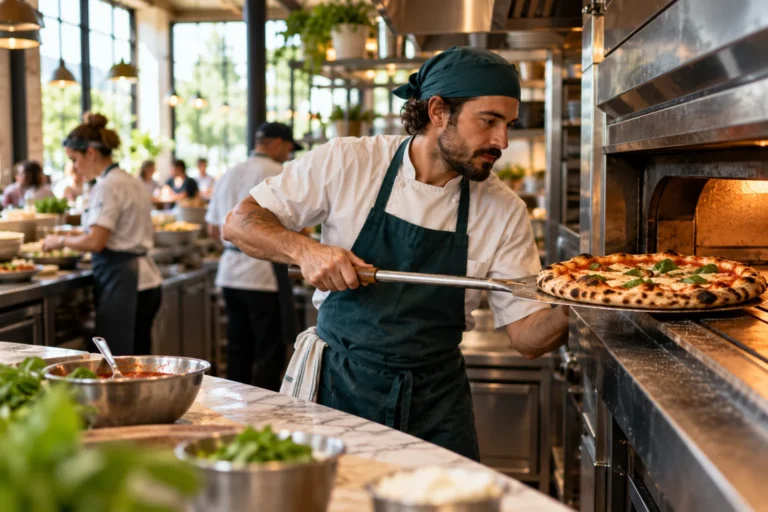
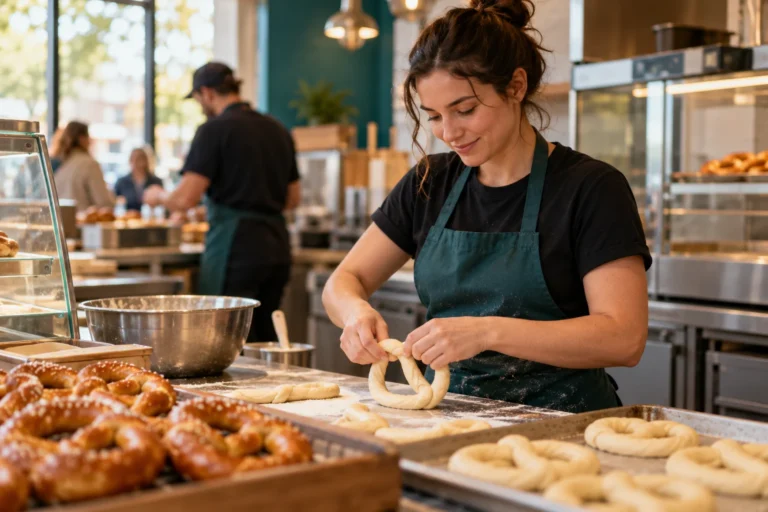
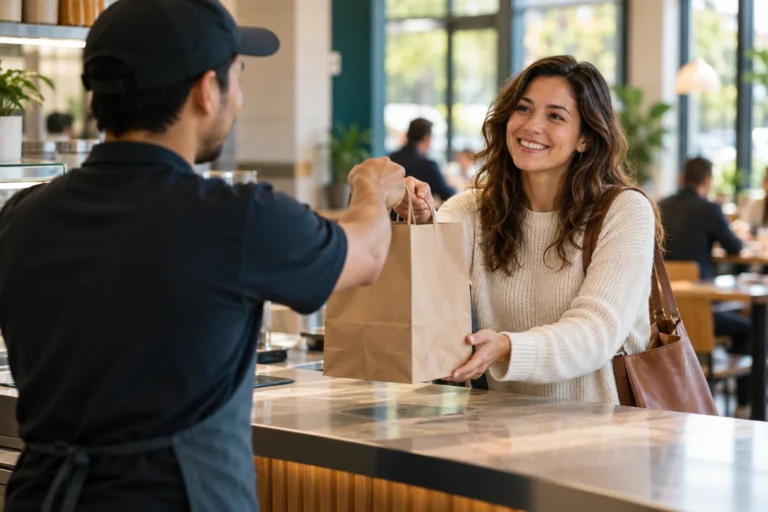
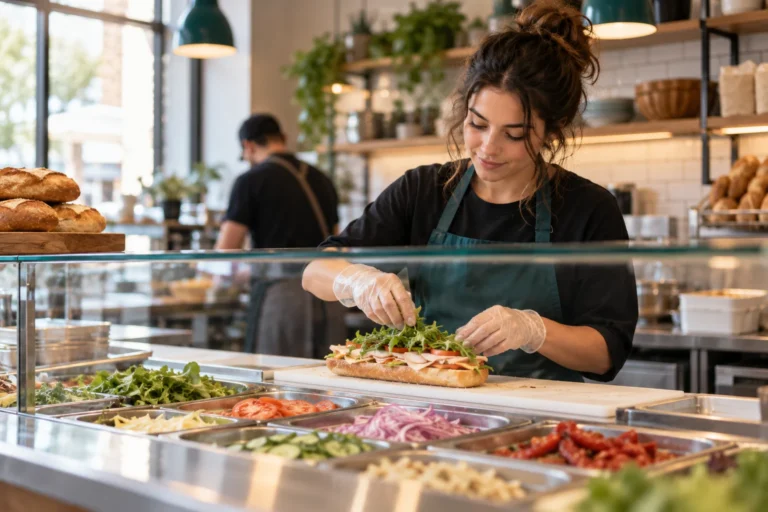
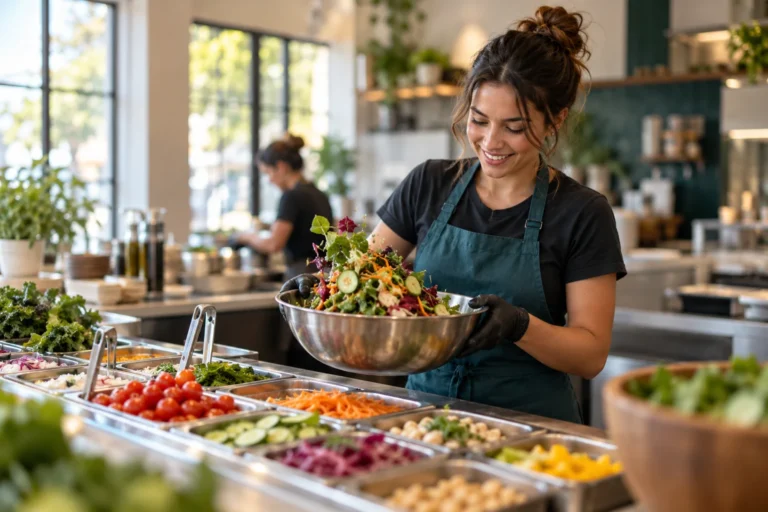
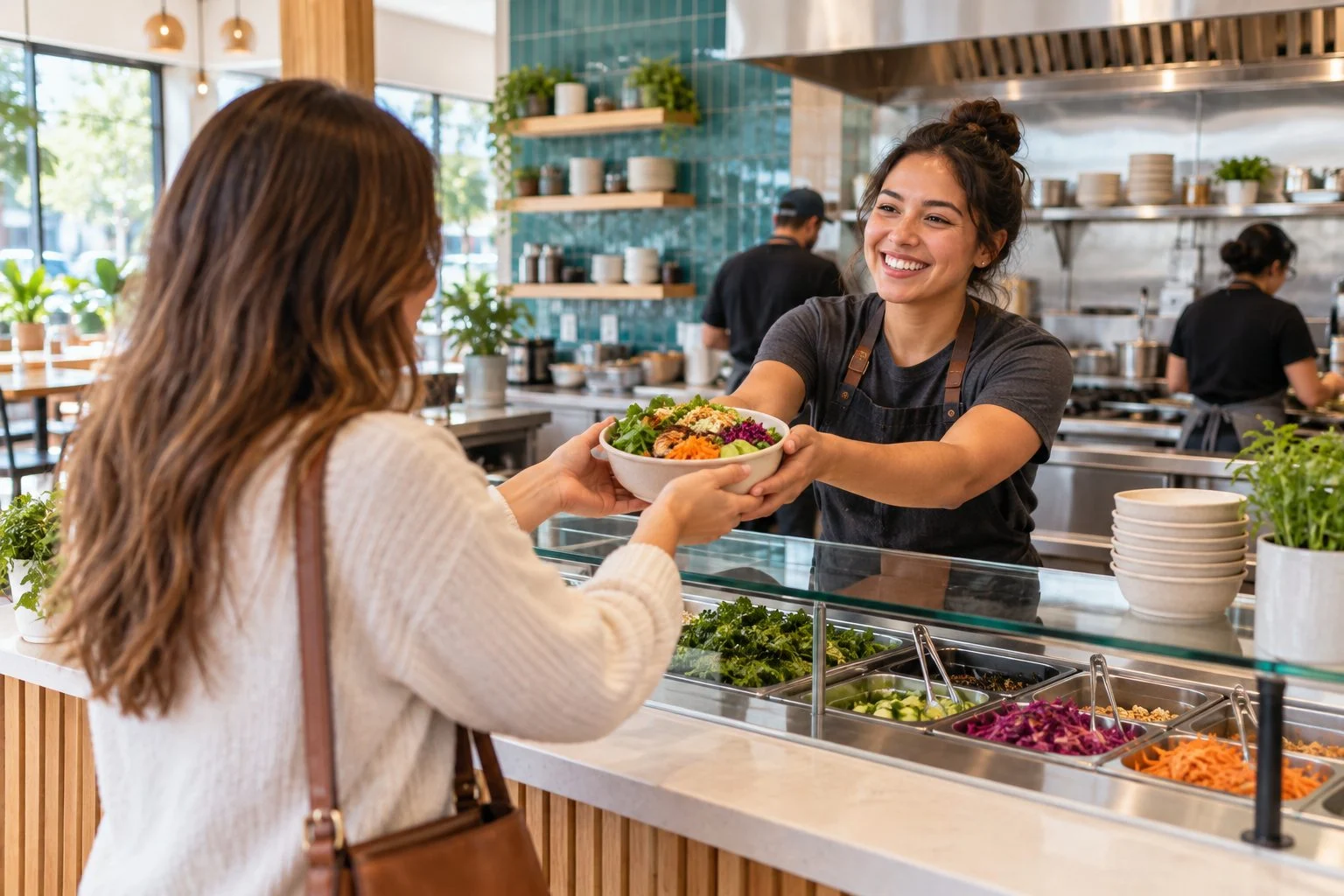
Food and restaurant franchises sell prepared meals, snacks and drinks to the public, in formats that run from quick-service counters and fast-casual lines to pizza delivery, bakeries and full-service bar and grill concepts. Customers range from commuters grabbing breakfast to families ordering dinner for delivery, and most units depend on frequent repeat visits from people who live or work within a few miles of the door.
The money comes from a high volume of modest tickets, so results hinge on throughput, food cost and labor scheduling. Most formats lease retail space in strip centers, pad sites with a drive-thru or food courts, and the build-out is a large share of the investment. Third-party delivery widens reach but takes a commission on every order. Labor is intensive, margins are thin, and the category rewards owners who respect operational detail and are patient through a longer ramp than many service businesses need.
Why buyers consider food and restaurant franchises
- Brand recognition Established names can generate traffic soon after opening, because customers already know the menu and what to expect.
- Proven operations Mature systems cover supply chain, recipes, equipment, scheduling and training, which shortens the learning curve for owners new to food.
- Multi-unit path Many food owners grow through several units over time, spreading management and overhead across a larger base.
What it takes to invest
Food franchises often run from roughly $150,000 for a kiosk or nontraditional unit to well over $2 million for a freestanding restaurant with a drive-thru, all in. Format, square footage, kitchen equipment, real estate and whether you build out raw space or convert a former restaurant drive most of the range. Plan for working capital to carry you through a ramp that can take many months. Item 7 of the Franchise Disclosure Document lists the estimated initial investment for each format a brand offers.
The owner's role
Most food franchises expect an owner who is present, at least for the first unit. You hire and train crews, manage schedules against sales, watch food cost and waste, handle health inspections and keep service standards consistent. Some brands accept an investor with a full-time general manager, but usually require a multi-unit commitment to make that model work. As units are added, the role shifts toward managing managers, reviewing numbers and choosing sites.
What to evaluate
- Item 19 data by unit age and format, and how it compares with your own projections
- Occupancy costs as a share of sales in your specific market
- Labor availability and wage trends where you plan to open
- Food cost volatility and the supply and distribution arrangements the brand controls
- Remodel and equipment refresh requirements and when they fall due
Who tends to do well
Food franchising suits hands-on operators and multi-unit investors with significant capital and patience for a longer ramp. It rewards people who like systems, can lead hourly teams and are comfortable watching weekly numbers closely. If you want limited involvement or a light-labor business, other categories may fit you better.
Questions buyers ask
How much does it cost to open a food franchise?
It varies widely. A kiosk or nontraditional unit may start around the low six figures, while a freestanding restaurant with a drive-thru can exceed $2 million all in. Item 7 of each brand's Franchise Disclosure Document gives the estimated range for every format it sells.
Can I own a restaurant franchise without running it day to day?
Some brands allow it, usually with a full-time general manager and a commitment to open several units. Many prefer an owner-operator for the first location. Ask each franchisor directly and talk with existing owners who run the model you have in mind.
Why are restaurant franchise margins considered thin?
Food, labor and occupancy together take a large share of every sales dollar, then royalties, marketing fees and delivery commissions come out as well. Small swings in any of those costs affect profit quickly, which is why cost control matters so much in this category.