
How home improvement and remodeling franchises work
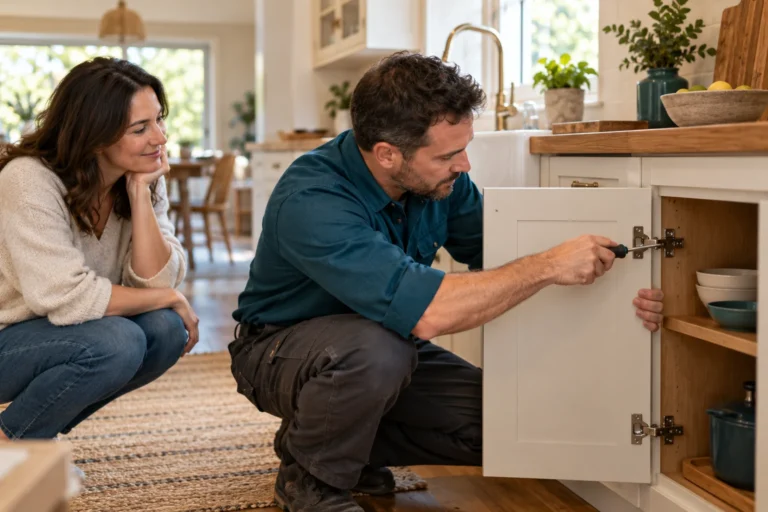
A home improvement or remodeling franchise designs, sells and delivers renovation projects, mainly kitchens, bathrooms, basements and interior updates, with some brands focused on a single product such as cabinets or showers. Customers are homeowners who have saved or financed a project and want one accountable company rather than a string of separate trades.
Revenue is project-based. Tickets are large and customers are mostly one-time buyers, though referrals and repeat projects matter. Many models use subcontracted trades coordinated by a project manager, while others employ installers directly. A showroom or design center is common in some brands and absent in others. Profit depends on accurate estimating, tight schedules and controlling change orders, so the owner's discipline on sales and project management drives results more than trade skill. Consumer financing often helps close larger jobs.
Why buyers consider home improvement and remodeling franchises
- Large project values Each signed project carries meaningful revenue, so a modest number of jobs can sustain the business.
- Management, not labor Owners typically sell, design and coordinate, with skilled trades doing the physical work.
- Lasting homeowner demand Aging homes and changing family needs keep remodeling on the list even when people stay put.
What it takes to invest
Home improvement and remodeling franchises often run from roughly $100,000 to $500,000 all in, depending on whether a showroom is required, design software and sample inventory, staffing for sales and project management, and marketing to generate leads. Working capital matters because you may fund materials and subcontractor payments before final customer payments arrive. Item 7 of the Franchise Disclosure Document breaks down each brand's estimate.
The owner's role
The owner is usually the lead salesperson at first, meeting homeowners, presenting designs and closing projects. You also oversee scheduling, subcontractor relationships, permits and quality checks. As volume grows you add a project manager and a designer, then spend more time on marketing, financials and hiring. Expect evening appointments, since many homeowners meet after work.
What to evaluate
- Contractor licensing and permit requirements in your state, and who must hold them
- How projects are estimated, and what existing franchisees say about change orders and margin slippage
- Subcontractor or installer availability and how quality and warranty work are controlled
- Lead generation costs, showroom requirements and the role of consumer financing in closing sales
- Exposure to interest rates and housing turnover in your market
Who tends to do well
Remodeling suits confident sellers and organized project managers who can hold subcontractors and timelines accountable. Veterans with logistics or engineering backgrounds often fit well. Expect a higher capital commitment and a business that rewards close attention to estimates and customer communication.
Questions buyers ask
Do I need construction experience to own a remodeling franchise?
Many brands accept owners without it, relying on training, design tools and licensed subcontractors. You do need comfort selling large projects and managing schedules. Licensing varies by state, so confirm what applies where you live and who must hold the license.
How do remodeling franchises get paid during long projects?
Most collect a deposit at signing and progress payments at milestones, with a final payment at completion. Payment terms and state rules on deposits vary. Ask franchisees how they manage cash between material purchases and customer payments.
What is the difference between remodeling and handyman franchises?
Handyman businesses handle small, repeatable repairs with modest tickets. Remodeling businesses sell and manage larger planned projects that usually require permits, design work and multiple trades. The capital, sales cycle and owner role differ significantly between the two.