What this profile means
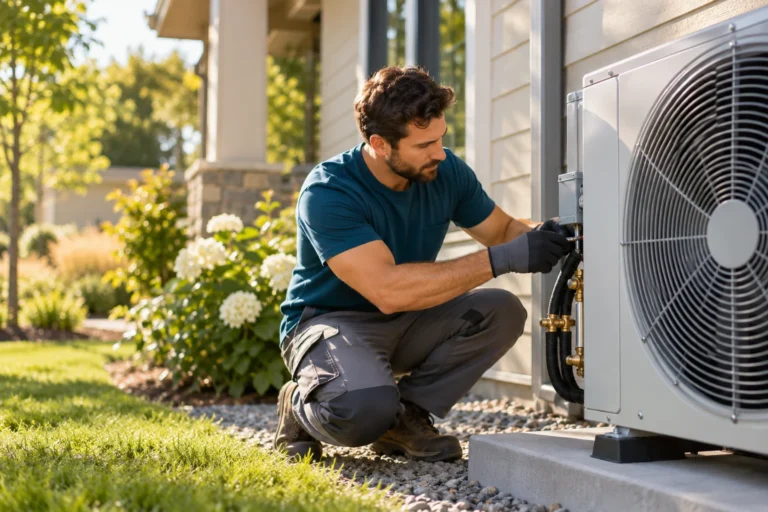
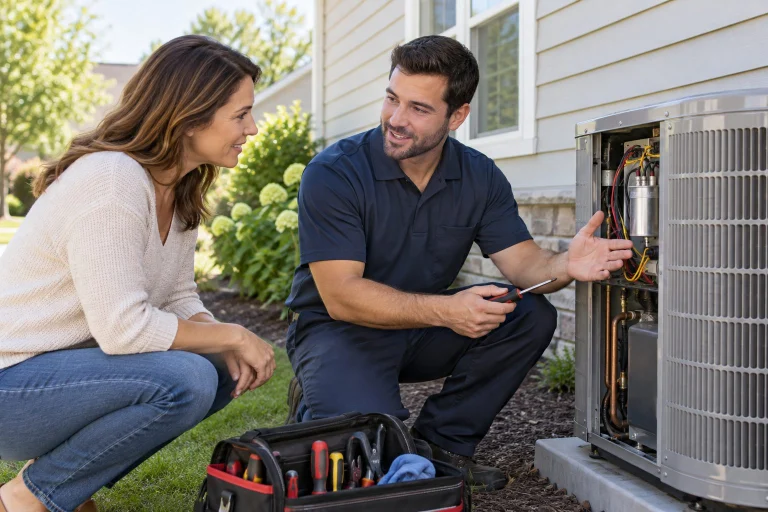
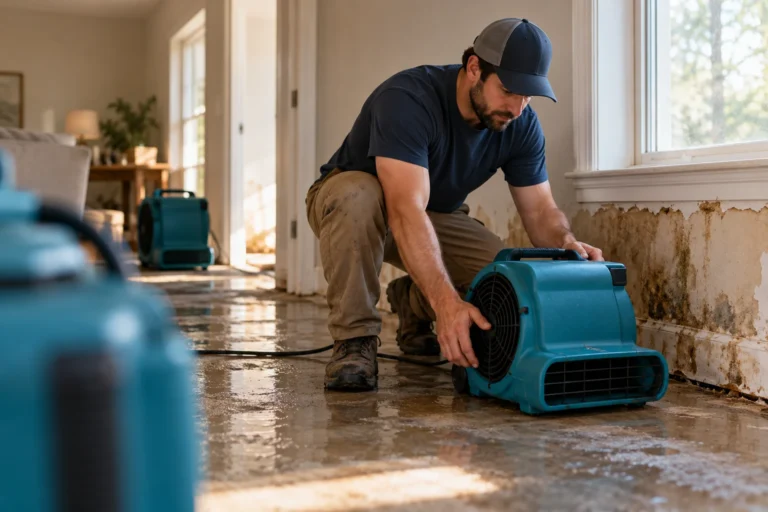
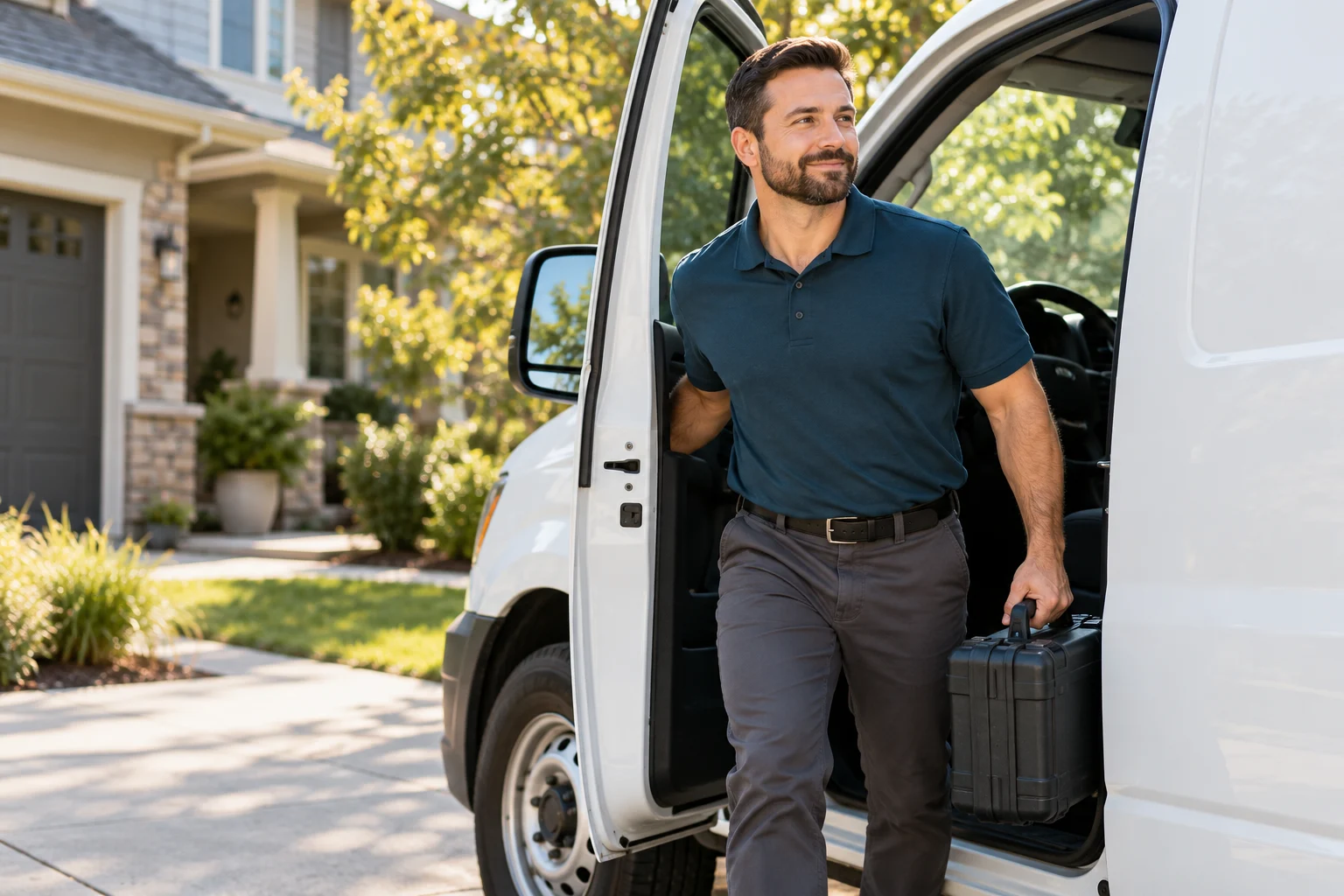
A mobile franchise operates from a vehicle rather than a storefront, sending technicians or service providers to the customer. Common categories include auto detailing and repair, pet grooming, window and screen repair, pressure washing, junk removal, appliance and HVAC service, IV and wellness services, and mobile fitness or entertainment. Customers include homeowners, property managers and commercial accounts, and revenue mixes one-off jobs with repeat visits and service agreements.
Because there is no lease to carry, overhead is relatively low and a single vehicle can generate revenue quickly. Growth comes from adding vans and staff, which turns the business into a scheduling and labor operation. Route density matters: the more jobs you fit into a day within your territory, the less time and fuel are lost between them. Vehicle costs, insurance and maintenance are ongoing expenses to plan for from the start.
Why buyers choose it
- No storefront Skipping retail real estate keeps fixed costs low and often shortens the time to opening.
- Scalable by vehicle Adding a van and a trained technician is a clear, repeatable way to grow capacity.
- Convenience sells Customers value service at their door, which can support repeat business and referrals.
Investment and financing
Mobile franchises often run from roughly $60,000 to $250,000 all in, depending on whether you buy or lease vehicles, the cost of specialized equipment and wraps, the number of vehicles at launch and initial marketing. Financing often combines savings, equipment or vehicle loans and SBA-backed loans. Plan working capital for fuel, insurance and payroll while routes fill up, and review Item 7 of the Franchise Disclosure Document.
Time and role
Many owners start in the van, performing the service while learning the system, then shift to scheduling, sales and managing technicians as they add vehicles. Some brands are built for an owner who manages from the start. Ask how current owners balanced field work with growth, and how much time dispatching, customer calls and vehicle upkeep take each week.
What to evaluate
- Vehicle costs, financing terms, insurance and maintenance over the life of the agreement
- Territory size and route density, and how far technicians travel between jobs
- How technicians are recruited, trained and kept in a field-based model
- Whether the service requires trade licensing; licensing varies by state, so confirm what applies where you live
- The mix of one-off jobs versus recurring agreements in existing territories
Who tends to do well
This suits hands-on buyers, tradespeople and career changers who like being out in the community, as well as owners who want to manage a fleet. It works best for people who are organized about scheduling, comfortable hiring field staff and willing to start in the vehicle themselves if the model calls for it.
Questions buyers ask
Do I need to drive the van myself?
It depends on the brand. Many owners start by doing the work to learn the system and control costs, then hire technicians. Others hire from day one and focus on sales and management. Ask the franchisor and current owners which approach the model expects.
Should I buy or lease vehicles for a mobile franchise?
Each has trade-offs in upfront cost, monthly payments, maintenance and resale. Some franchisors have preferred vehicle programs. Compare options with your lender or accountant and check what Item 7 of the Franchise Disclosure Document assumes.
Are mobile franchises recession resistant?
Some mobile services handle essential repairs and maintenance that customers cannot easily delay, while others are discretionary. Results depend on the service, the market and the operator. Ask current owners how demand behaved during slower periods.