How seafood franchises work
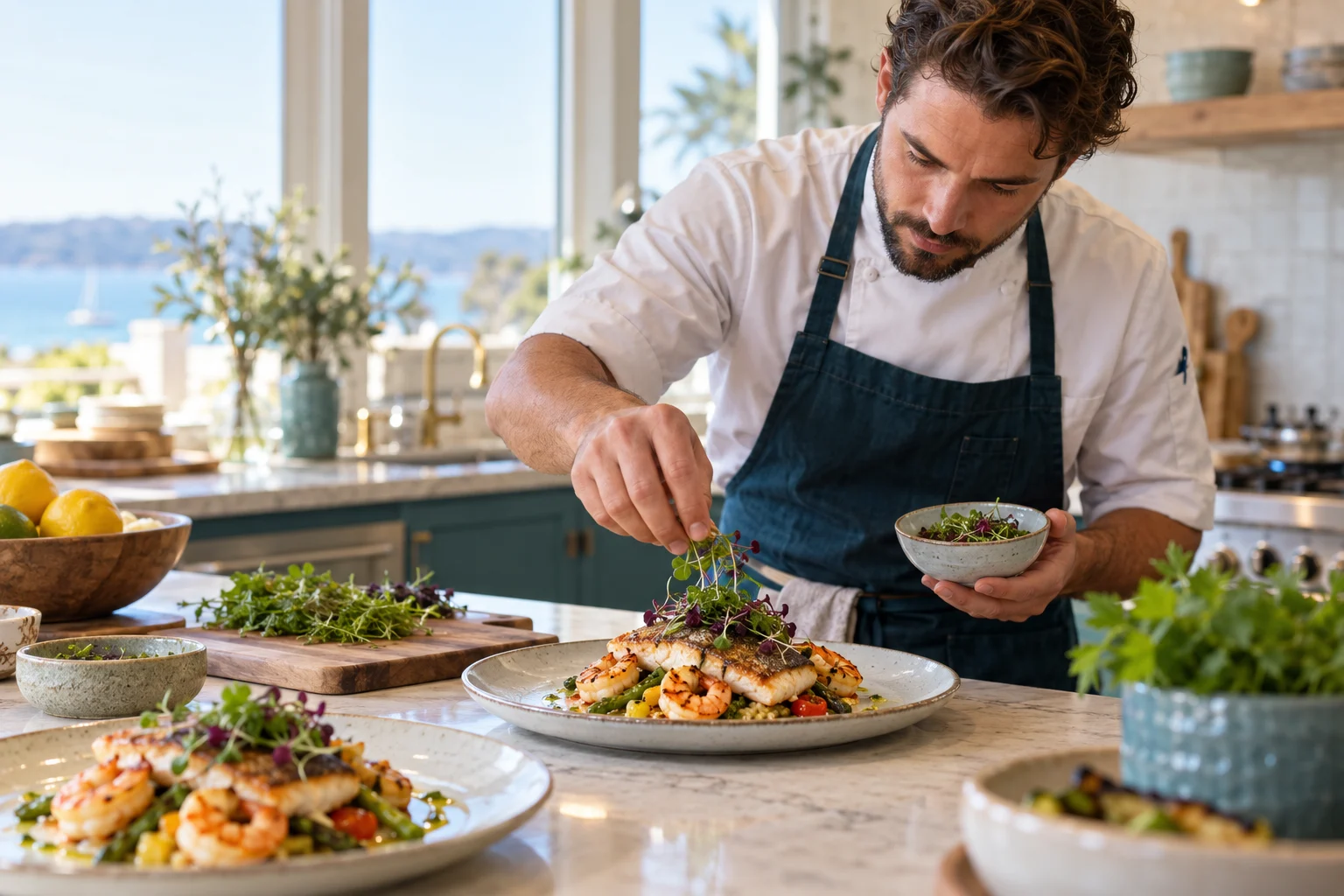
Seafood franchises serve fried and grilled fish, shrimp, crab, lobster rolls, boils and sides. Formats include quick counter-service shops, casual sit-down restaurants and seafood boil concepts. Customers range from families looking for an affordable fish dinner to groups out for a special meal, and some regions see strong seasonal demand around certain holidays and observances.
Supply chains and cold storage are central, because seafood is perishable and prices move with catch levels, imports and seasons. Food safety standards are strict. Counter-service units can operate in inline spaces, while sit-down restaurants need larger rooms and sometimes bars. Menu pricing must balance higher protein costs against what local customers will pay. A brand's sourcing relationships and distribution can make a major difference in consistency and cost. Seafood boil concepts lean on shareable platters and group dining, which raises the check but slows table turns.
Why buyers consider seafood franchises
- Less crowded segment Many markets have fewer seafood options than burger or pizza, which can create room for a strong brand.
- Higher check Seafood often commands higher menu prices than many everyday meals.
- Seasonal peaks Certain holidays and seasons bring strong demand for fish and shellfish.
What it takes to invest
Seafood franchises often range from roughly $400,000 for a counter-service unit to $2 million or more for a full-service restaurant, all in. Dining room size, kitchen equipment, cold storage, bar features and site work drive the range. Plan working capital for seafood price changes and opening months. Item 7 of the Franchise Disclosure Document details the estimated initial investment.
The owner's role
Owners focus on supply management, freshness and food safety, along with staffing and guest service. Ordering must match demand closely to limit spoilage. Sit-down formats add server and bar management. Seasonal peaks call for staffing plans, and owners of several units depend on managers trained in strict handling standards. Training on safe handling is ongoing, not a one-time event.
What to evaluate
- Sourcing, distribution and how the brand protects supply consistency
- Seafood price volatility and how menu pricing responds
- Cold storage and food safety requirements in the format
- Local demand for seafood and existing competitors in your area
- Seasonal sales patterns at comparable units
Who tends to do well
Seafood franchises suit detail-oriented operators who respect food safety and supply management and have capital for a full kitchen. They can fit owners in markets with strong seafood traditions or limited competition in the category. Owners who are uneasy about volatile food costs should look closely before committing.
Questions buyers ask
Why do seafood prices change so often?
Supply depends on catch levels, seasons, imports and fuel costs, so prices can shift through the year. Ask how the franchisor contracts for seafood, how often menu prices change and how owners managed past cost spikes.
Is seafood a good franchise category in inland markets?
It can be, since many inland markets have fewer seafood choices. Demand varies by region, so study local dining habits and ask franchisees in similar markets how their units performed.
What food safety requirements apply to seafood restaurants?
Seafood is subject to strict handling, storage and temperature rules, and health regulations vary by state and county. Confirm what applies where you live and ask how the brand trains staff on safe handling.