
What this profile means
Veterans often transition well into franchise ownership because they already know how to lead teams, follow a system and adapt it under pressure. A franchise gives you a documented playbook, training before opening and a support structure afterward, which feels familiar to anyone who has served in a well-run unit. Our founder began his career in the Air Force, and we take the transition seriously.
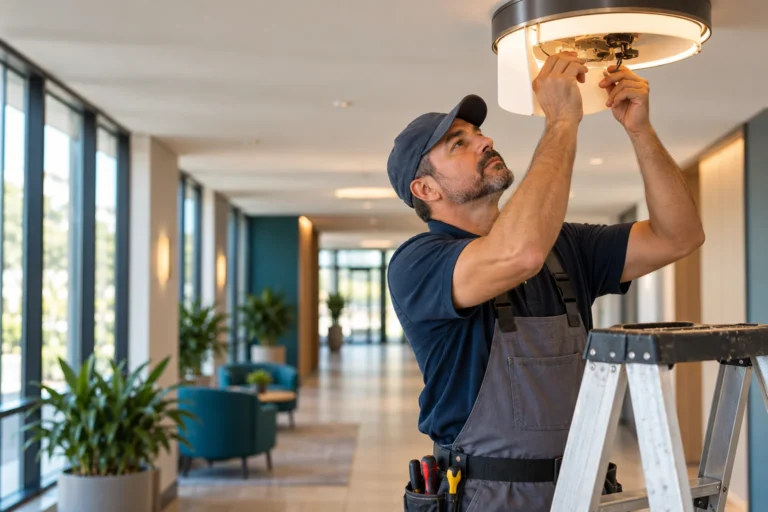
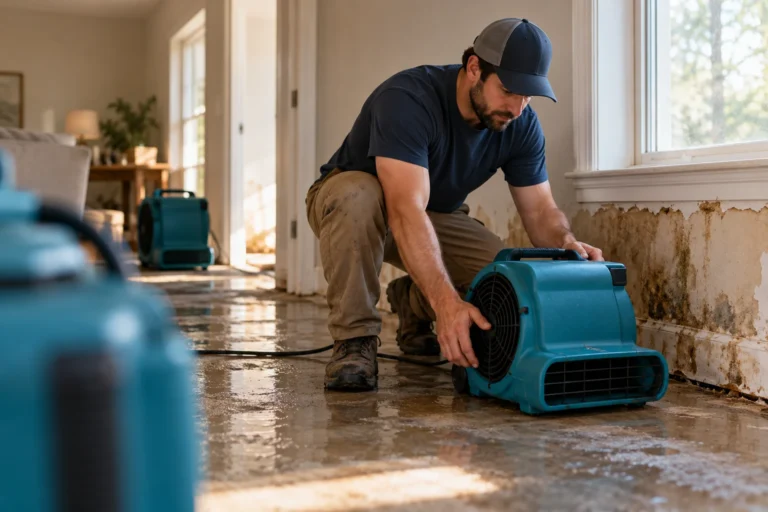
This tag gathers categories where military experience tends to translate directly: home services, logistics and transportation, maintenance and repair, fitness, staffing and business services. Customers range from homeowners to commercial accounts, and revenue models vary from one-off jobs to recurring contracts. The best fit usually matches the specific work you did, such as logistics, maintenance, training or leadership, with a model whose daily demands suit the life you want after service.
Why buyers choose it
- Skills that transfer Leadership, logistics, planning and accountability map directly onto running a franchise and managing its people.
- Veteran incentives Many franchisors offer reduced franchise fees or other incentives for veterans. They are worth weighing, but not worth chasing into the wrong brand.
- Structured support Good systems give you training and a playbook, much like a well-run unit, so you are not building procedures from nothing.
Investment and financing
Costs vary by category: home service and mobile models often start from roughly $75,000 to $200,000 all in, while storefront and food concepts can run from roughly $300,000 to over $1 million, depending on real estate and equipment. Veteran fee discounts reduce only part of the total. Funding often combines savings, SBA-backed loans and, in some cases, retirement rollovers, each with its own eligibility rules. Reserve working capital for the ramp, and review Item 7 of the Franchise Disclosure Document.
Time and role
Most veteran owners start in an active leadership role: hiring, training, setting standards and building customer relationships, often well beyond a standard work week at first. Some models allow a move toward a semi-absentee or multi-unit role once a manager is in place. Ask how the owner role changes over the first two years and whether your leadership strengths are what the model actually needs day to day.
What to evaluate
- Which industries fit your specific experience, from logistics to maintenance to training
- Veteran incentives offered, and whether the brand is a good fit without them
- Funding options, including SBA programs and retirement rollovers, and the eligibility rules for each
- The owner role in the first two years, day to day
- What other veteran franchisees in the system say on validation calls
Who tends to do well
This suits transitioning service members, recent separatees and veterans already in civilian careers who want to lead something of their own. It works best for people who value structure, are comfortable leading a team and selling the business locally, and have the capital and family support to commit through the first year.
Questions buyers ask
Do franchisors offer discounts for veterans?
Many franchisors offer reduced initial fees or other incentives for veterans, and the terms differ by brand. A discount lowers only one line of the total investment, so compare the full cost and the fit of the model before letting an incentive drive the decision.
Can I use VA benefits to buy a franchise?
VA benefits are generally not a direct source of franchise funding, though some franchisors offer approved training programs and veterans may qualify for certain SBA lending initiatives. Rules and eligibility change, so confirm current options with the lender, the franchisor and the relevant agency.
What franchise is best for a veteran?
There is no single best category. The right choice matches your experience, capital, preferred owner role and local market. Veterans with logistics or maintenance backgrounds often look at service and trade models, while those with leadership roles may favor multi-unit or management-heavy concepts.