How auto paint and body franchises work
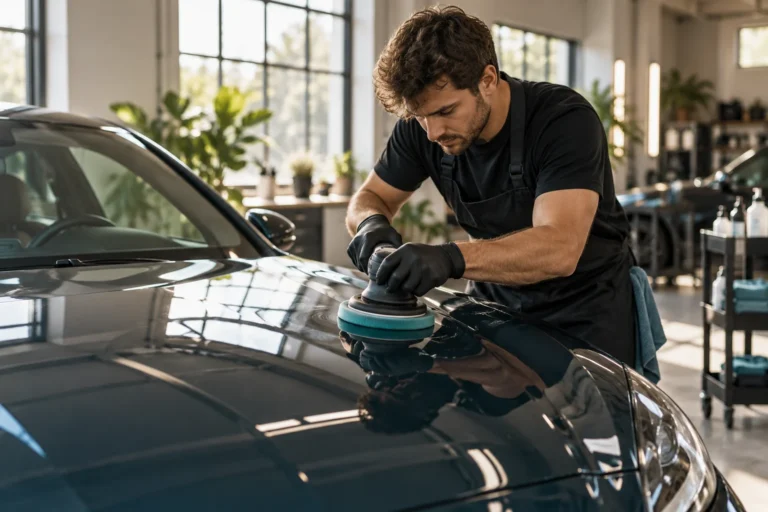
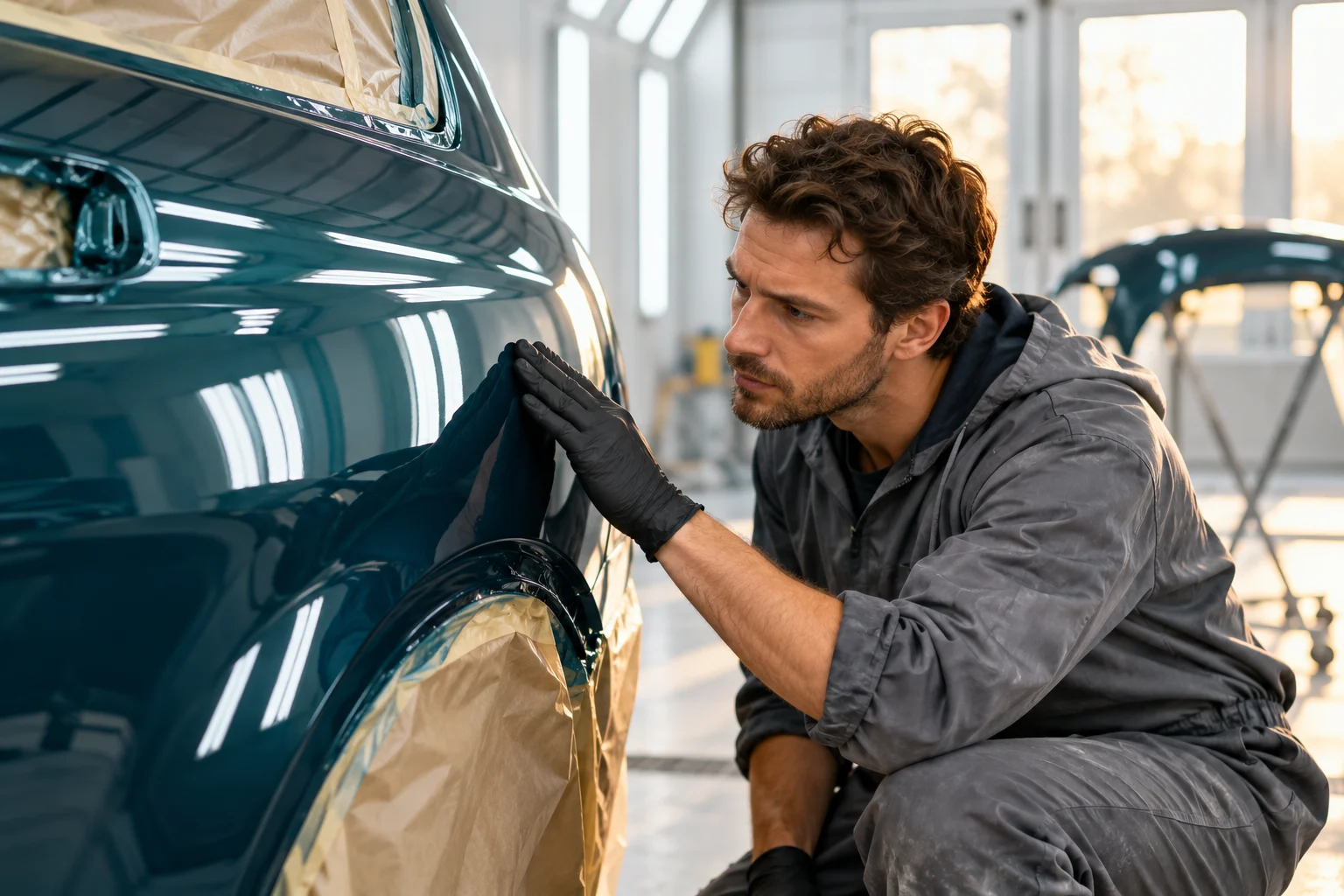
An auto paint and body franchise restores vehicles after collisions, hail, scrapes and wear: straightening frames, replacing panels, matching paint and refinishing surfaces in a controlled booth. Customers include drivers filing insurance claims, people paying out of pocket for cosmetic fixes, and fleet operators who need damaged vehicles back on the road. Insurance companies are a major influence, since direct repair programs can steer a steady flow of claims to approved shops.
Tickets are usually large and one-off, because each job is a specific repair rather than recurring maintenance. Revenue depends on cycle time, meaning how quickly a car moves from estimate to delivery, and on accurate estimating that insurers will pay. The model needs a sizable facility with a paint booth, frame equipment and environmental compliance, along with skilled body technicians and painters. The owner's focus is production flow, insurer relationships and quality control.
Why buyers consider auto paint and body franchises
- Large tickets Collision repairs tend to be substantial jobs, so each car through the door carries meaningful revenue.
- Insurance referral flow Approved status with insurers can bring a steady stream of claims without heavy consumer advertising.
- Demand off the maintenance calendar Accidents and weather damage happen year round, independent of service intervals.
What it takes to invest
Paint and body shops are among the heavier automotive investments, often from roughly $400,000 to well over $1 million all in, depending on facility size, paint booth and frame equipment, environmental permitting and whether you convert an existing shop. Conversion programs can lower the entry cost considerably. Working capital matters because insurer payments can lag completed work. Item 7 of the Franchise Disclosure Document breaks down each brand's estimate.
The owner's role
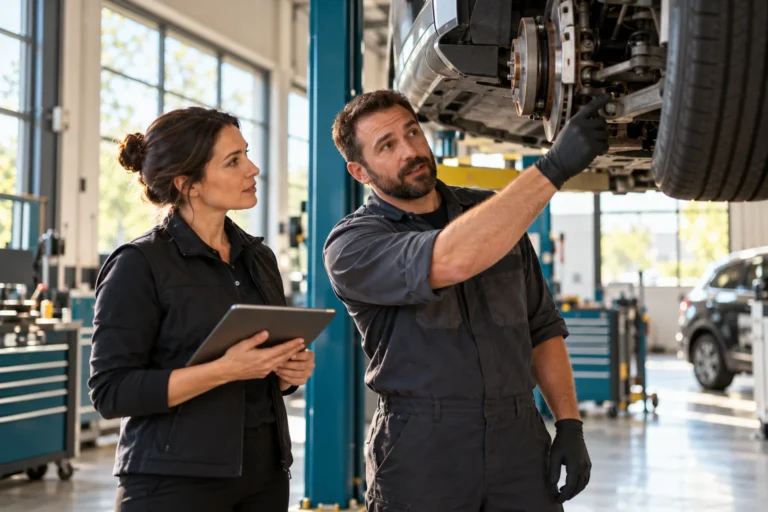
Body shop owners act as general managers of a production line. The work centers on estimator and technician staffing, insurer relationships, cycle time, parts ordering and customer communication while a car is in the shop. Owners rarely paint or repair vehicles themselves. Expect full-time involvement in the first years, with the option to step back once a capable production manager and estimator are in place and insurer programs are established.
What to evaluate
- Which insurer direct repair programs the brand holds, and how a new location qualifies
- Environmental permits, paint booth regulations and disposal requirements in your area
- Average cycle time at existing locations and what the franchisor does to shorten it
- Availability of certified body technicians and painters near your site
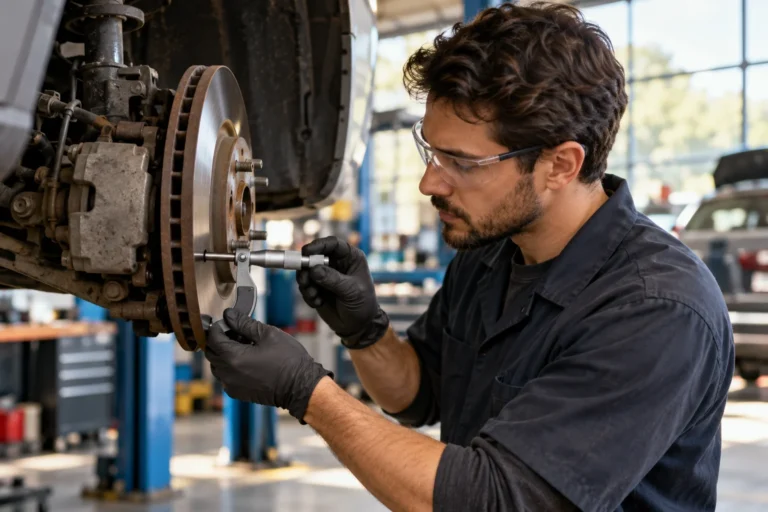
- Equipment and certification needed to repair newer vehicles with advanced materials and sensors
Who tends to do well
Paint and body ownership suits disciplined operators who like production metrics and can build relationships with insurance adjusters and fleet managers. Veterans and manufacturing or logistics leaders often recognize the workflow. It requires significant capital and patience with regulation, so it is a better match for buyers ready to commit fully than for those seeking a light first business.
Questions buyers ask
Do auto body franchises depend on insurance companies?
Heavily, in most cases. Much collision work is paid through insurance claims, and approved repair programs can direct customers to your shop. Ask the franchisor which insurer relationships carry over to new locations, what performance standards apply, and how long it typically takes a new shop to qualify.
Is experience in collision repair required to own a body shop franchise?
Most brands do not require the owner to be a technician, but they look for management and sales ability. You will hire certified estimators, body technicians and painters. Some franchisors favor owners converting existing body shops, so ask whether the brand targets new entrants, conversions or both.
What regulations apply to an auto body shop?
Paint and body shops typically face environmental rules on paint emissions, waste disposal and booth ventilation, plus local zoning and fire codes. Requirements vary by state and city, so confirm what applies where you plan to open and budget for permits and compliance in your startup costs.