How mexican food franchises work
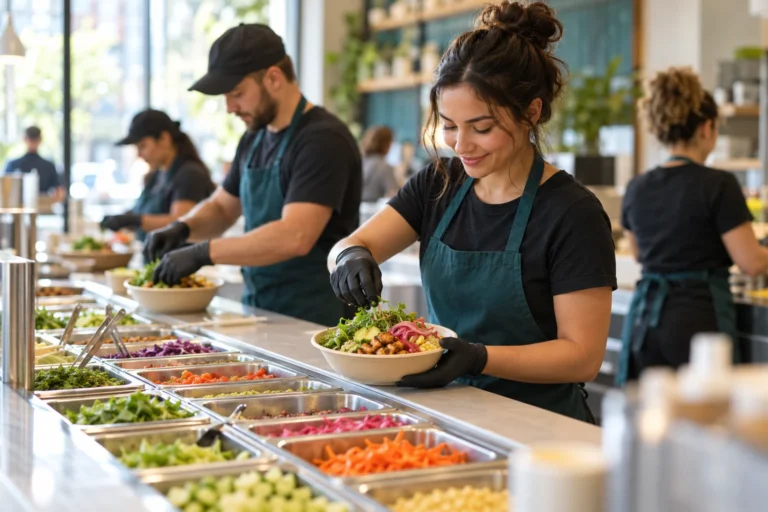
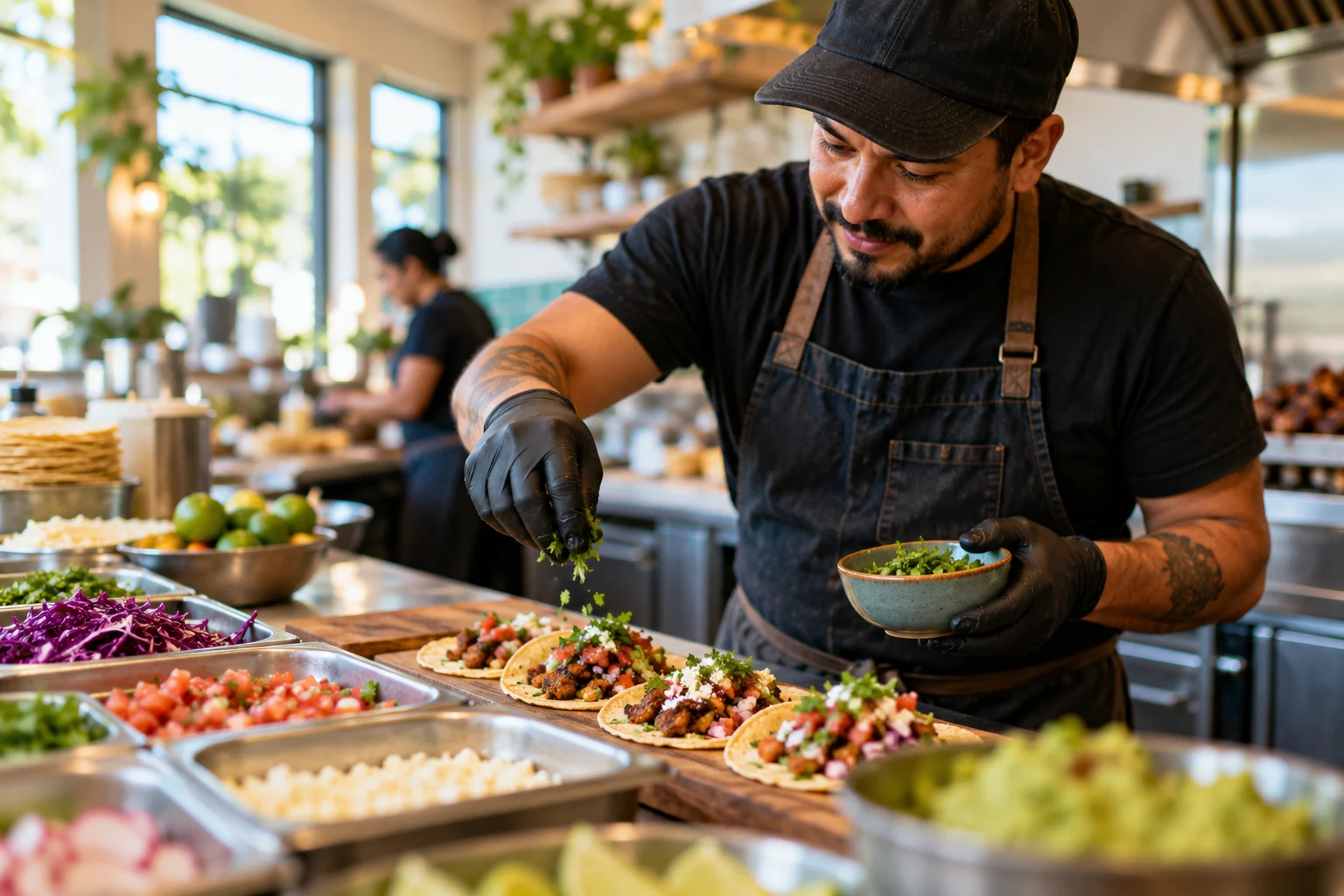
Mexican food franchises sell tacos, burritos, bowls, quesadillas, chips and salsa, and in some formats margaritas and full entrees. Counter-service brands attract lunch crowds, students and families looking for an affordable, filling meal, while sit-down concepts draw groups and celebrations in the evening.
Fresh salsa, guacamole and proteins prepared daily mean the prep work is substantial, and produce such as avocados can swing in price. Counter-service units often lease inline or end-cap space, some add drive-thrus, and sit-down concepts need larger rooms, bars and outdoor seating. Catering trays and family meal packs add volume beyond individual orders. The cuisine is familiar across most of the country, so differentiation usually comes from freshness, regional style or value. Many brands also lean on a signature salsa bar or house-made tortillas, which adds visible freshness but also daily labor and equipment that must be planned into the schedule.
Why buyers consider mexican food franchises
- Broad appeal Mexican flavors are widely loved across age groups and regions, which supports steady traffic.
- Customizable menu Build-your-own formats suit dietary preferences and keep guests coming back to try new combinations.
- Catering demand Taco bars and burrito trays are popular for offices and parties, adding larger orders.
What it takes to invest
Mexican food franchises often range from roughly $350,000 for a counter-service unit to $1.5 million or more for a sit-down restaurant with a bar, all in. Format, square footage, kitchen equipment, patio construction and drive-thru features drive most of the range. Hold working capital for produce price swings and the ramp period. Item 7 of the Franchise Disclosure Document lists the estimated costs by format.
The owner's role
Owners spend considerable time on fresh prep standards, food safety and the staffing it takes to prepare ingredients daily. Counter-service owners focus on line speed at lunch and dinner. Sit-down owners manage servers, bartenders and alcohol compliance as well. As units are added, the owner leans on managers and concentrates on costs and catering growth.
What to evaluate
- Daily prep hours and how they affect labor cost at comparable units
- How the brand handles avocado and produce price volatility
- Number of Mexican options already serving your trade area
- Whether alcohol is part of the format and the licensing it requires
- Catering share of sales and the tools provided to grow it
Who tends to do well
Mexican food franchises suit operators who value fresh preparation, can lead a busy kitchen team and have capital for a full restaurant build-out. Counter-service formats fit first-time food owners with strong management skills, while sit-down formats suit those with hospitality and bar experience.
Questions buyers ask
How much does a Mexican restaurant franchise cost?
Counter-service units often start in the mid six figures, while sit-down restaurants with bars can exceed $1.5 million all in. Real estate and format drive the range. Item 7 of the Franchise Disclosure Document shows each brand's estimate.
Is there too much competition in Mexican food?
Many markets have numerous Mexican restaurants, both independent and franchised. A brand needs a clear difference in freshness, style or value. Survey competitors near your site and ask franchisees in similar markets how they compete.
Why do produce costs matter so much?
Avocados, tomatoes, peppers and limes are central to the menu and their prices can change quickly with weather and supply. Ask how the franchisor manages these costs and whether menu prices adjust when they rise.