What this profile means
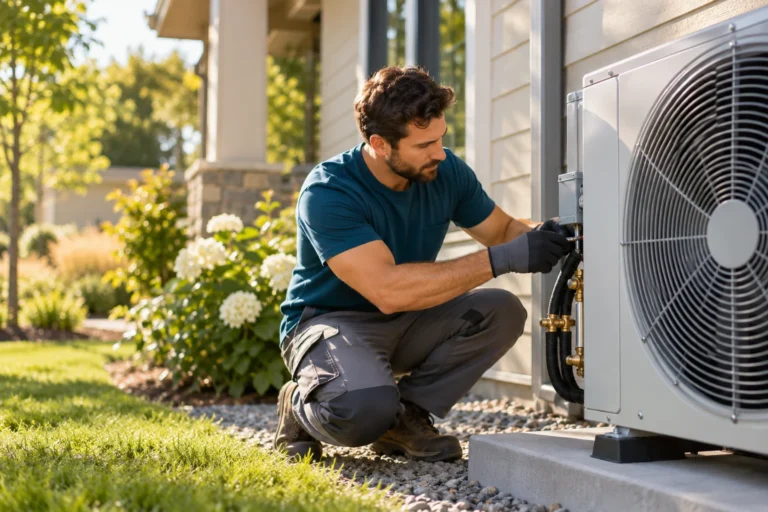
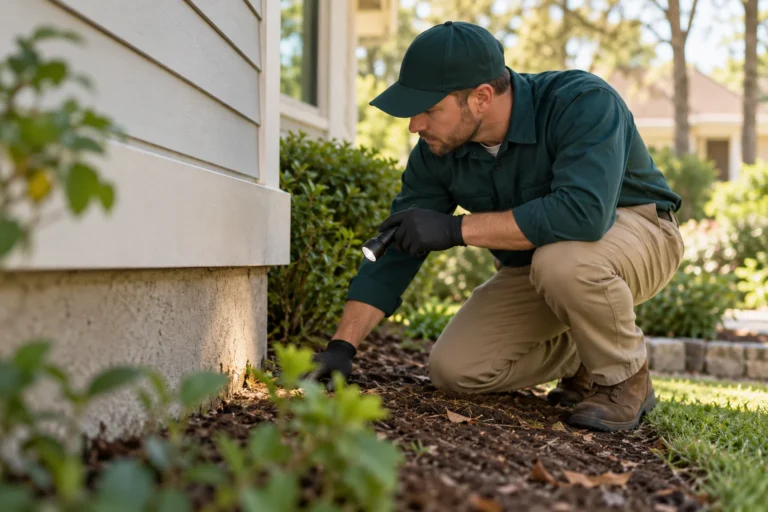
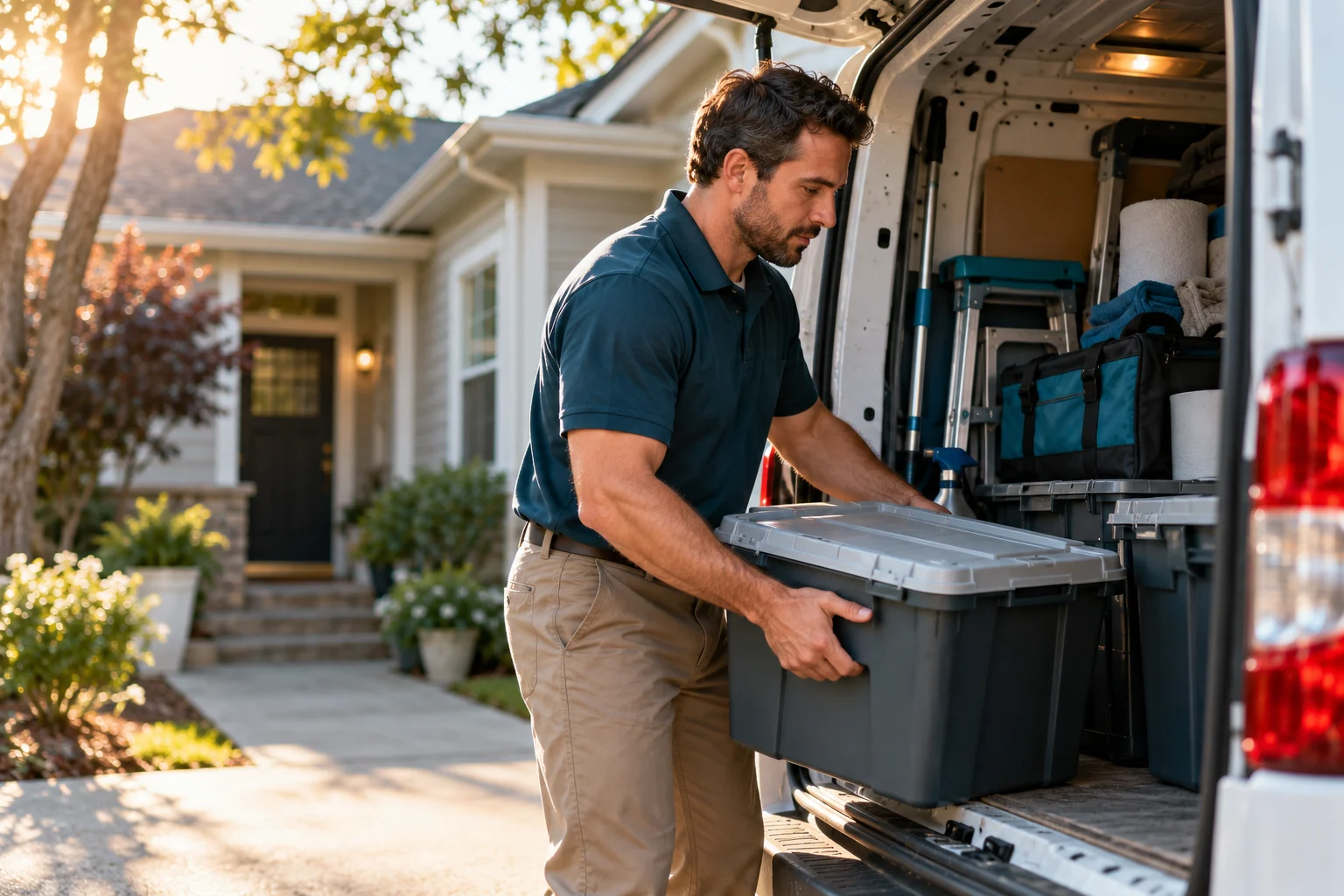
A low-cost franchise keeps the total initial investment toward the lower end of the market, usually because it needs no retail lease, little build-out and modest equipment. Most are service businesses run from home or a vehicle: cleaning, lawn care, handyman and repair, pet services, tutoring, coaching and mobile services. Customers are typically homeowners and small businesses, and many models aim for recurring revenue through scheduled visits or service plans.
The low entry price shifts the burden onto the owner. With no storefront drawing customers in, revenue depends on marketing and selling, and in the early months the owner often does the work personally before hiring. Margins can be healthy on labor-based services, but growth usually depends on recruiting and keeping reliable staff. This profile suits buyers who want to limit capital at risk and are ready to put in the hours.
Why buyers choose it
- Less capital at risk A smaller upfront investment limits how much you commit before the business proves itself in your market.
- Easier financing Lower totals can often be covered by savings or a modest loan, keeping debt manageable while the business ramps.
- Room to grow Many lean service models can add vehicles, staff or territories once demand is established.
Investment and financing
Low-cost franchises often run from roughly $25,000 to $125,000 all in, depending on the franchise fee, vehicle, equipment, launch marketing and whether you buy one territory or several. The franchise fee is only part of the total, so read every line of Item 7 in the Franchise Disclosure Document. Set aside working capital to cover several months of personal and business expenses, since a lean model can still take time to reach steady revenue.
Time and role
Expect a hands-on, full-time role at first. Many owners do the service work, answer the phone, quote jobs and handle marketing before hiring their first employees. Over time the role can shift to managing crews and selling, but that depends on finding good people. Ask current owners how long it took them to step back from daily service work.
What to evaluate
- The full Item 7 total, including vehicle, technology, marketing and working capital, not just the franchise fee
- How much of the work the owner must do personally in year one
- Royalty and marketing fees relative to the revenue a lean model can generate
- Territory size and whether it holds enough customers to support growth
- How current owners found and kept staff in a labor-based model
Who tends to do well
This suits first-time buyers, career changers and people who want to limit capital at risk while learning ownership. It works best for those willing to do the work themselves early on, sell the service locally and build a team gradually rather than buying a fully staffed operation from day one.
Questions buyers ask
What is the cheapest franchise to start?
The lowest-cost options are usually home-based or mobile service models without real estate. Totals vary by brand and territory, so compare the full Item 7 estimate, including working capital, rather than the franchise fee alone.
Are low-cost franchises less risky?
They put less capital at risk, but they are not risk free. Lean models often depend heavily on the owner's selling and labor, and undercapitalization is a common problem. Talk with current owners and budget enough working capital for a slow start.
Can I finance a low-cost franchise?
Many buyers use savings, a small business loan or an SBA-backed loan, and some franchisors offer financing on the fee. Eligibility depends on the lender and your credit and experience, so speak with a lender before committing.