
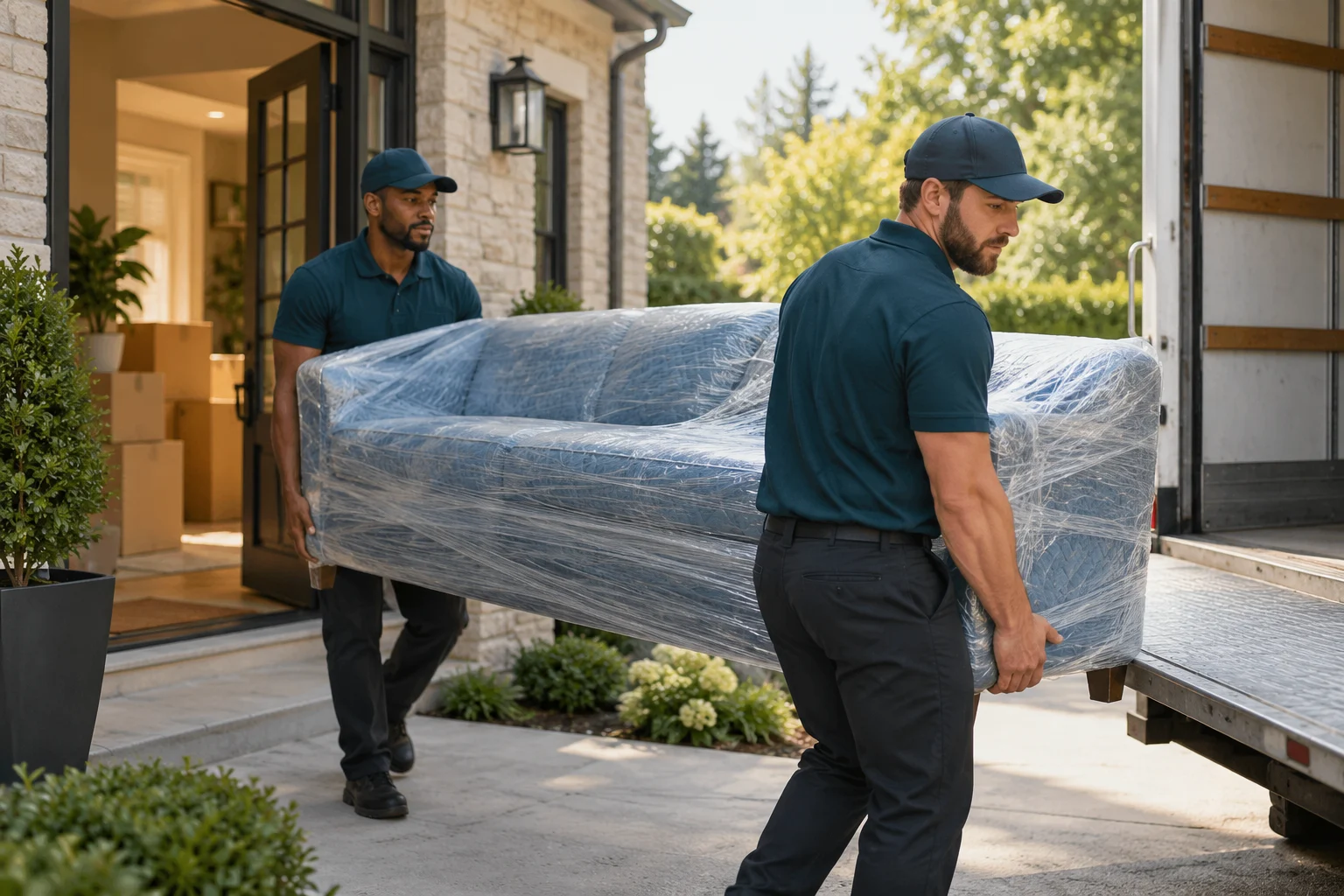
How moving franchises work
A moving franchise packs, loads, transports and unloads household goods for families and individuals, and often handles office moves, senior relocations and storage. Some brands focus on local moves, while others coordinate longer-distance work. Customers include homeowners, renters, seniors downsizing and businesses relocating.
Revenue is mostly per move, priced by the hour or by estimate, with add-ons for packing, supplies and storage. Customers rarely repeat soon, so referrals, reviews and relationships with real estate agents, senior living communities and employers matter. The model is asset and labor intensive: trucks, a warehouse or yard and crews of movers who must be recruited, trained and kept safe. Demand peaks in summer and at month ends, so scheduling and staffing flexibility are central to margins. Online reviews weigh heavily, because customers trust strangers with everything they own.
Why buyers consider moving franchises
- Life-event demand Job changes, family growth and downsizing keep people moving across economic cycles.
- Add-on revenue Packing, supplies and storage extend each job beyond basic transport.
- Multi-unit potential Owners who master crews and trucks can add territories and share a central operation.
What it takes to invest
Moving franchises often run from roughly $150,000 to $500,000 or more all in, depending on whether trucks are bought or leased, warehouse or storage space, insurance, licensing and the size of the initial crew. Working capital should cover payroll, fuel and marketing during the slower months, plus claims and repairs. Item 7 of the Franchise Disclosure Document details each brand's estimated initial investment.
The owner's role
Owners manage the operation rather than carry furniture. You oversee estimates and sales, dispatch crews, maintain trucks, handle damage claims and keep compliance in order. Hiring is constant, especially before summer. The busy season means long days and weekend coordination. Experienced owners build a general manager and crew leads, then focus on partnerships, growth and adding units.
What to evaluate
- State and federal registration, licensing and insurance requirements for the moves you plan to handle
- Truck ownership versus leasing costs, maintenance and replacement over several years
- Crew recruiting, training, safety record and workers' compensation costs
- Claims history and how the brand handles damage disputes and customer reviews
- Seasonality, month-end peaks and how existing franchisees staff for uneven demand
Who tends to do well
Moving suits operators who are comfortable with logistics, equipment and managing physical crews, which is why many veterans consider it. It requires a higher capital commitment and tolerance for a demanding peak season. Buyers aiming for several units often find the shared-overhead model appealing.
Questions buyers ask
What licenses does a moving franchise need?
Requirements depend on whether moves stay within one state or cross state lines, and on state rules for household goods carriers. Licensing varies by state and by type of move, so confirm what applies where you live and the brand's operating scope.
Do moving franchise owners need trucking experience?
Usually not. Franchisors train owners on operations, and crews handle driving and moving. You do need to manage vehicles, safety and compliance. Ask how the brand supports truck acquisition, driver qualifications and maintenance planning.
How seasonal is a moving franchise?
Moves cluster in late spring and summer and around month ends, with quieter winters. Storage, office moves and senior relocation can smooth the calendar. Ask franchisees in your region how they handle staffing and cash flow across the year.