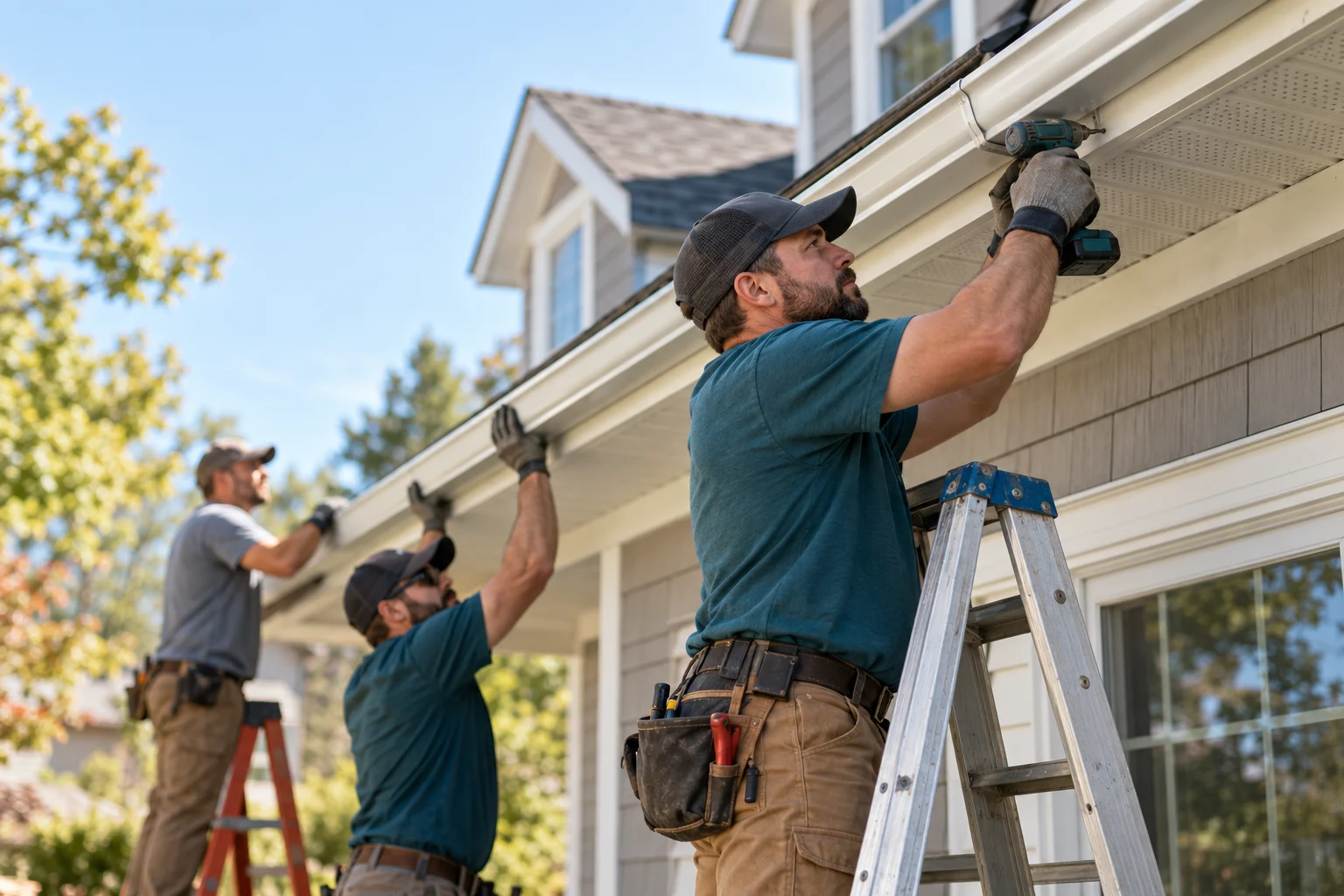
How roofing, siding and gutters franchises work
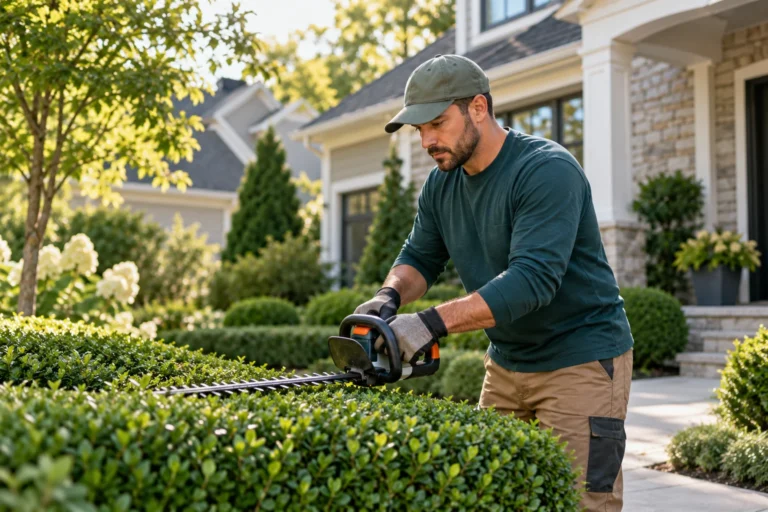
These franchises repair and replace roofs, install siding, and install or clean gutters and gutter guards for homeowners and some commercial properties. Some brands specialize in one product, such as seamless gutters, while others offer a full exterior package. Customers are homeowners with aging materials, storm damage, insurance claims or plans to sell.
Revenue is mostly project-based. Gutter work carries smaller tickets and faster installs, while roofing and siding projects are large and less frequent. Insurance claims can drive volume after storms, which brings both opportunity and paperwork. Crews may be employees or subcontractors, and materials are a major cost. The business needs trucks, ladders, safety equipment and often a yard or warehouse. Weather affects both demand and scheduling. Workmanship warranties keep the business connected to customers long after the crew leaves, for better or worse.
Why buyers consider roofing, siding and gutters franchises
- Essential exterior work A leaking roof or failing gutter becomes urgent, and aging materials eventually need replacing.
- Meaningful project size Roofing and siding jobs carry large tickets, so each closed sale matters.
- Product specialization Focused models such as gutters can offer simpler operations and faster installs.
What it takes to invest
Roofing, siding and gutter franchises often run from roughly $100,000 to $400,000 all in, depending on product focus, equipment such as gutter machines and trucks, yard or warehouse space, insurance and initial staffing. Working capital should cover materials, crew pay and marketing between project deposits and final payments, and weather delays. Item 7 of the Franchise Disclosure Document details each brand's estimated initial investment.
The owner's role
Owners typically lead sales and estimating early, meeting homeowners, inspecting exteriors and closing projects, while crews handle installation. You manage permits, material orders, scheduling around weather, safety and customer communication. Insurance claim work adds adjuster meetings and documentation. Growth comes from adding sales reps and crew leads while you oversee quality and marketing.
What to evaluate
- Contractor licensing, permitting and fall-protection safety rules in your state
- How the brand handles insurance claim work and whether it relies on storm-driven volume
- Crew sourcing, workers' compensation costs and installation quality control
- Material pricing, supplier relationships and manufacturer warranty programs
- Workmanship warranty obligations and reserves for callbacks over the years
Who tends to do well
Exterior contracting suits confident sellers and operators who can manage crews, safety and weather-driven schedules. Veterans often relate to the planning and accountability involved. Expect a higher capital commitment and a business where reputation and warranty follow-through drive referrals. Patience matters too.
Questions buyers ask
Do I need a roofing license to own a roofing franchise?
It depends on your state and city. Some require a specific roofing or contractor license held by the business or a qualifier, others require only registration. Licensing varies by state, so confirm what applies where you live.
Are gutter franchises different from roofing franchises?
Yes. Gutter-focused models usually have smaller tickets, simpler installs and lower equipment costs, while roofing involves larger projects, more safety exposure and longer sales cycles. Many brands combine them. Compare models against your capital and appetite for project risk.
How much does storm damage work matter in roofing franchises?
In some regions storm and insurance work is a major source of jobs, which can create uneven demand. Ask franchisees how much of their revenue comes from claims, and review Item 19 for any performance data the brand discloses.