How transmission repair franchises work
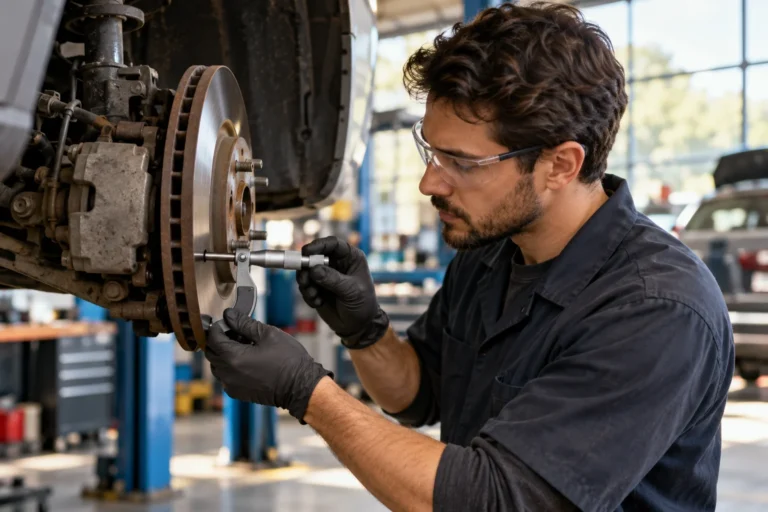
A transmission repair franchise focuses on automatic and manual transmissions, clutches, transfer cases, differentials and the electronic controls that run them. Many shops also offer general drivetrain and maintenance work to keep bays busy between major jobs. Customers are usually drivers facing a warning light, slipping gears or a vehicle that will not move, plus fleets that need a specialist rather than a general garage.
Tickets are high and infrequent, since a rebuild or replacement is a significant expense and few customers need one twice. That makes accurate diagnosis and trust central to the sale, because customers often arrive worried about the cost. Revenue depends on referrals from general repair shops, dealers and fleet managers as much as on direct marketing. The model needs specialized tools, a modest multi-bay facility and experienced rebuilders, who are a scarce skill.
Why buyers consider transmission repair franchises
- Specialist positioning Many general shops refer transmission work out, which gives a specialist a ready referral channel.
- Substantial tickets Major repairs and rebuilds produce large invoices from a relatively small number of jobs.
- Fewer direct competitors Specialized skills and tooling keep the field narrower than general maintenance.
What it takes to invest
Transmission shops often run from roughly $200,000 to $500,000 or more all in, depending on bay count, lifts and specialty tooling, whether you lease an existing automotive building, and initial parts inventory. Some brands offer conversion paths for independent shops. Working capital should cover payroll for skilled rebuilders while referral relationships develop. Check Item 7 of the Franchise Disclosure Document for each brand's itemized estimate.
The owner's role
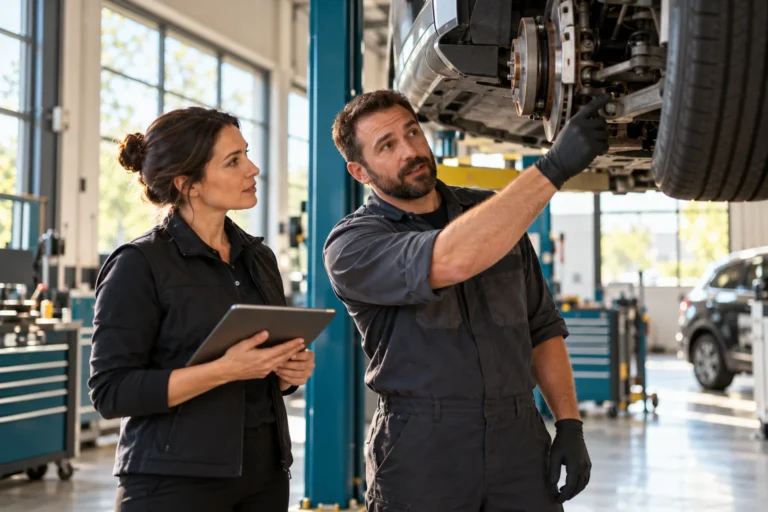
The owner usually leads sales, referrals and the team rather than rebuilding units. That means visiting general repair shops and fleet managers to earn referrals, coaching the service writer on explaining diagnoses, watching job profitability and recruiting experienced transmission technicians. Expect to be in the shop full time at first. Stepping back depends on finding a trusted shop manager and a lead technician who can maintain quality on complex work.
What to evaluate
- How many experienced transmission rebuilders are available in your area
- Referral sources the brand helps you build, such as general shops, dealers and fleets
- Parts sourcing for remanufactured units and the warranty terms attached to them
- How the shop fills bays with general service between major transmission jobs
- Training on newer transmission types, including continuously variable and electrified drivetrains
Who tends to do well
Transmission repair fits owners who like a specialist business and are comfortable selling expensive, unexpected repairs with honesty. Veterans with technical backgrounds and former sales or service managers often do well. It is a smaller-volume, larger-ticket model, so it suits someone patient enough to build referral relationships over time.
Questions buyers ask
Is transmission repair still in demand as cars change?
Vehicles still need drivetrain service, but transmission designs keep evolving, and electric vehicles use simpler drive units. Ask each franchisor how its training, tooling and service menu are adapting, and how much of existing shops' work comes from general repair versus transmission jobs.
Do I need to be a transmission technician to own one?
No. Most brands expect the owner to manage the business and hire skilled rebuilders. Understanding the basics helps you discuss diagnoses with customers and staff, and franchisors typically provide owner training. The harder question is whether qualified technicians are available where you plan to open.
How do transmission shops get customers?
Through a mix of search marketing, referrals from general repair shops and dealers, and fleet accounts. Because few drivers think about transmissions until there is a problem, being findable and trusted at that moment matters. Ask current owners which referral sources fill their bays most consistently.