How chicken and wings franchises work
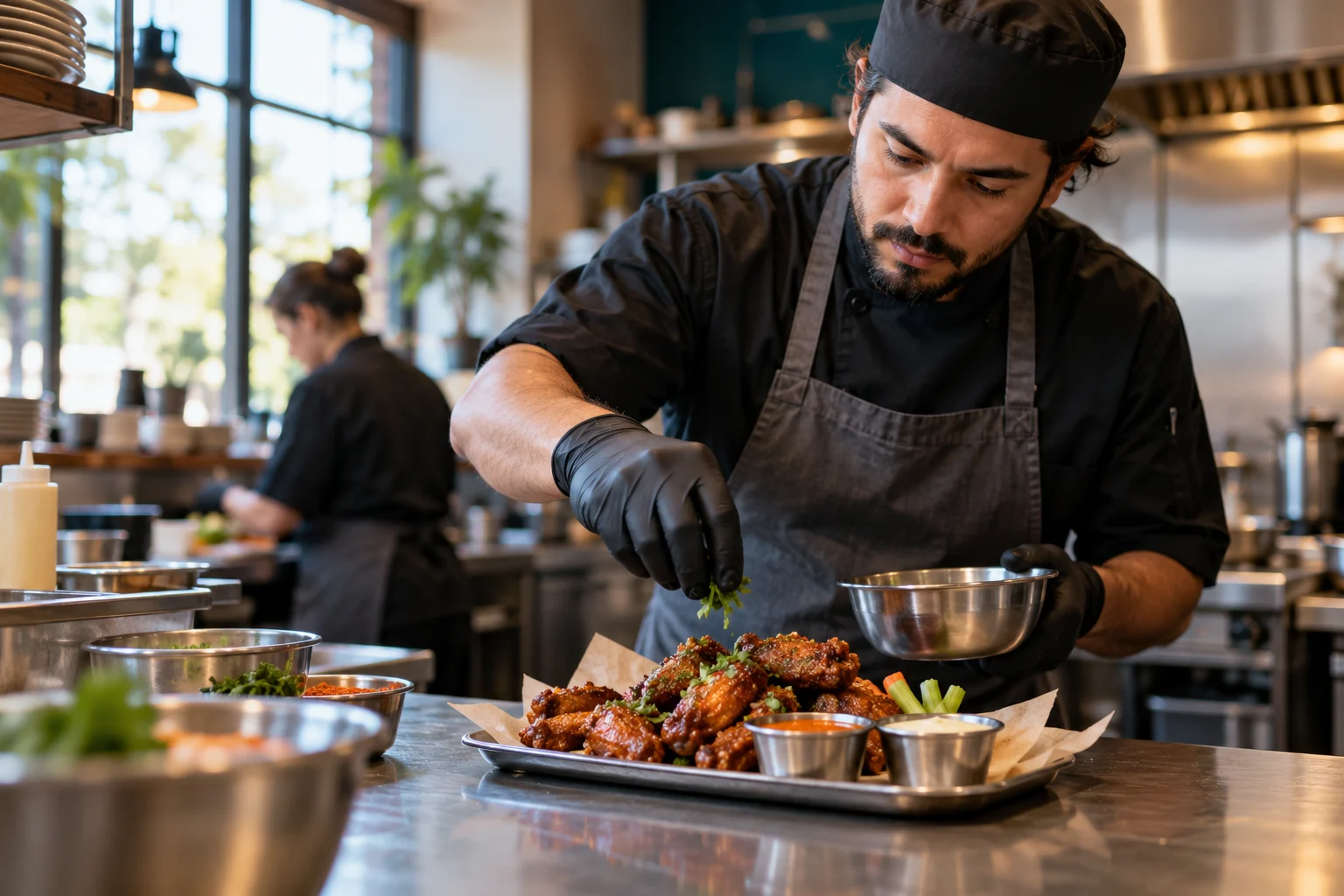
Chicken and wings franchises sell fried or grilled chicken, tenders, sandwiches and wings with a range of sauces and sides. Customers include families picking up dinner, groups watching sports, office lunch crowds and late-night diners. Sauces and flavors are a big part of each brand's identity and loyalty.
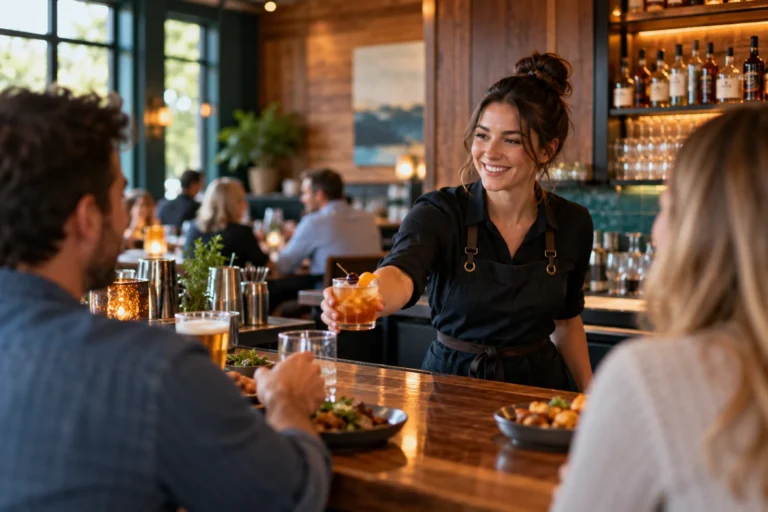
Many of these concepts are takeout and delivery heavy, with smaller dining rooms or none at all, which can keep real estate costs moderate. Others operate as sit-down sports restaurants with bars and televisions. Bone-in wing prices are notoriously volatile, and some brands lean on boneless items and tenders to stabilize food cost. Fryers, breading stations and hood systems shape the kitchen, and big sporting events can drive some of the busiest days of the year, which calls for strong staffing plans.
Why buyers consider chicken and wings franchises
- Takeout strength Chicken and wings travel well, so carryout and delivery make up a large share of sales for many brands.
- Event-driven peaks Game days and holidays bring large group orders that few other menus capture as well.
- Flavor loyalty Signature sauces and recipes give customers a reason to return to one brand rather than shop on price.
What it takes to invest
Chicken and wings franchises often range from roughly $350,000 for a takeout-focused unit to $1.5 million or more for a sports restaurant with a bar, all in. The spread depends on dining room size, bar build-out, fryer and hood systems and whether a drive-thru is included. Keep working capital for poultry cost spikes and opening payroll. Item 7 of the Franchise Disclosure Document lists the estimated costs for each format.
The owner's role
Owners spend a good deal of time on staffing for peaks, food safety around fryers and raw poultry, and order accuracy for large group and delivery orders. Game days require planning days ahead. In sports bar formats the owner also manages bartenders, alcohol compliance and entertainment packages. Multi-unit owners concentrate on manager development and cost control across stores.
What to evaluate
- How the brand handles bone-in wing price volatility in pricing and supply contracts
- Share of sales from delivery platforms and the commissions involved
- Staffing plans for game days and holiday spikes at comparable units
- Fryer oil management, hood cleaning and related maintenance costs
- Whether a bar format is required and the liquor licensing it implies in your state
Who tends to do well
This category suits operators who can handle intense peak periods, like sports culture and community marketing, and have the capital for a full kitchen. Takeout formats work for owners who want a smaller footprint, while sports restaurant formats suit those with hospitality and bar experience.
Questions buyers ask
Why do wing prices change so much?
Wing supply depends on overall chicken production, while demand jumps around sporting events, so prices can move sharply within a year. Ask how the franchisor buys wings, whether it offers boneless options to balance cost and how menu prices are adjusted.
Do chicken and wings franchises need a dining room?
Not always. Many brands run takeout and delivery units with limited seating, which lowers build-out and rent. Sports restaurant formats need full dining rooms and bars. Choose the format that matches your capital and experience.
Do I need a liquor license for a wings franchise?
Only if the format serves alcohol. Liquor licensing varies by state and city and can take time and money to obtain. Confirm what applies where you live and how the franchisor supports the application process.