
What this profile means
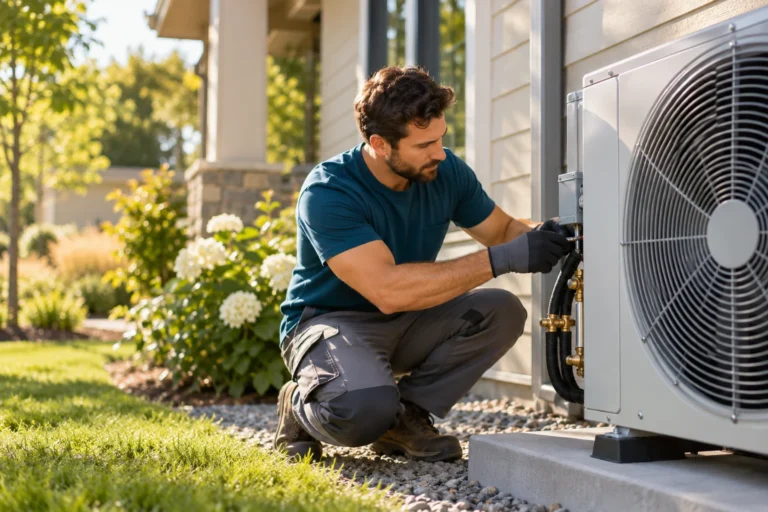
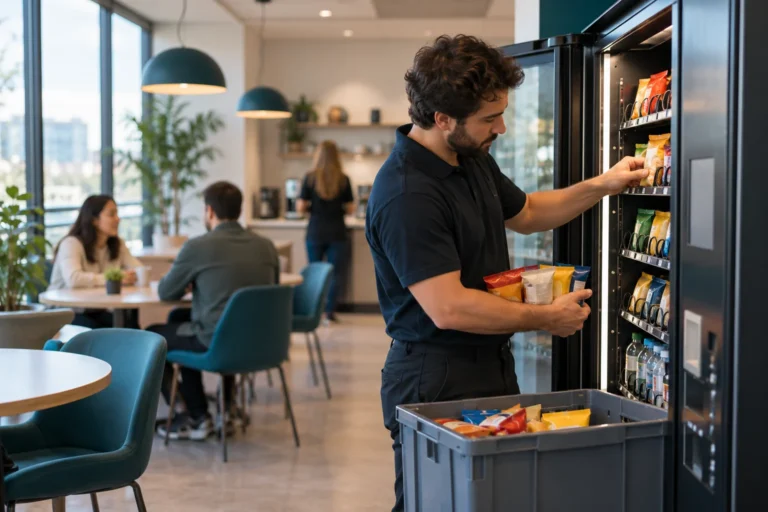
A home-based franchise runs its administration from your home and delivers its service somewhere else: at the customer's house, at a client's office or online. Common categories include business coaching and consulting, staffing, senior care, cleaning, lawn and home services, tutoring and marketing services. Customers range from homeowners to small businesses, and many models build recurring revenue through contracts, memberships or scheduled visits rather than one-off sales.
Without a retail lease, fixed costs are lower and the total investment is often smaller. The trade-off is that revenue depends heavily on your ability to market, sell and build referral relationships, because no one walks in off the street. Some home-based models remain owner-operated; others add technicians, caregivers or sales staff and eventually move into a small office. These concepts appeal to professionals who want to build equity without leaving their job on day one, provided the model's real time demands match their schedule.
Why buyers choose it
- Lower overhead No retail lease means lower fixed costs and often a lower total investment than a storefront concept.
- Keep your income Some home-based models can be started part time, letting you keep your salary while the business ramps up.
- Flexibility You have more control over where and when you work, and less commuting between home and the business.
Investment and financing
Home-based franchises are often among the more accessible entry points, commonly from roughly $40,000 to $150,000 all in, depending on the franchise fee, vehicle and equipment needs, technology and launch marketing. Working capital matters because sales-driven models can take months to build a client base. Many buyers use savings, home equity or SBA-backed loans. Item 7 of the Franchise Disclosure Document shows the estimated initial investment and what each line includes.
Time and role
The owner usually starts as the chief salesperson: networking, meeting prospects, building referral sources and managing a small team or subcontractors. Expect a demanding first year even when the brand describes the model as flexible. Ask current owners how many hours they actually spend each week, when they hired help and how much of their time still goes to selling once the business is established.
What to evaluate
- Hours per week the owner actually spends in year one, according to current owners
- How revenue is generated without a storefront, and how much depends on your personal selling
- When and how you hire help or a general manager, and what that costs
- Your employer's policies on outside business interests, and local zoning rules for home businesses
- Exit options if you later want to go full time, move into an office or sell
Who tends to do well
This suits employed professionals and investors who want to build a business in stages, and anyone who values a lean cost structure. It works best for buyers who are comfortable selling, networking and working independently, and who can stay disciplined without the structure of a storefront or an office team around them.
Questions buyers ask
Can I run a home-based franchise while keeping my job?
Some models allow it, especially early on, but many need daytime availability for sales calls and client meetings. Check your employer's policy on outside business interests and ask current owners how they managed both, and how soon they had to choose.
Are home-based franchises cheaper than storefronts?
They usually avoid lease, build-out and fixture costs, so the total investment is often lower. Marketing, technology and working capital still add up, and Item 7 of the Franchise Disclosure Document lists the estimated costs for each brand you consider.
Do I need a license to run a franchise from home?
Many cities and counties require a business license, and some restrict home businesses through zoning or homeowners association rules. Certain categories, such as care or trades, carry their own licensing. Licensing varies by state and locality, so confirm what applies where you live.