
How health, beauty and nutrition franchises work
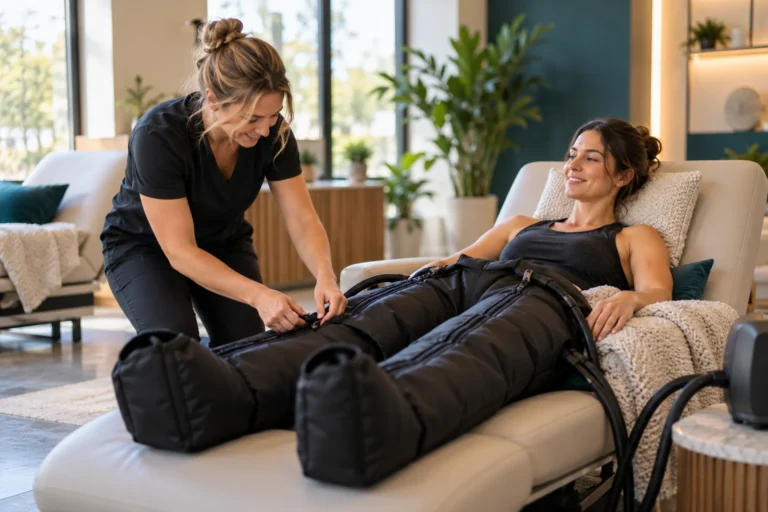
This category covers businesses that help people look and feel better: med spas offering injectables and aesthetic treatments, wellness and medical clinics, massage and stretch studios, recovery centers with cold, heat and compression therapies, nutrition coaching and weight loss programs. Formats range from home-based coaching to clinical spaces with licensed practitioners and specialized equipment.
Customers are adults investing in their health, appearance and longevity, a group that includes a large and aging population. Several concepts use memberships, care plans or treatment packages that create recurring revenue, while others rely on repeat appointments. Labor is often the defining challenge, because many services require licensed therapists, nurses or practitioners. Private pay is common, though some clinical models touch insurance. Regulation, medical oversight and liability coverage vary sharply from one model and one state to the next.
Why buyers consider health, beauty and nutrition franchises
- Demographic tailwinds An aging population and growing interest in preventive care and self-care support long-term demand.
- Meaningful work Many owners are drawn by the chance to make a visible difference in clients' health and confidence.
- Membership models Several concepts use memberships or care plans that create recurring revenue.
What it takes to invest
Investment ranges are wide. Home-based nutrition and coaching concepts can start from roughly $30,000 to $100,000 all in, massage, recovery and weight loss studios often fall between about $250,000 and $800,000, and med spas and clinics can exceed $1 million. Build-out, medical or aesthetic equipment, licensing, staffing before launch and working capital drive the range. See Item 7 of the Franchise Disclosure Document.
The owner's role
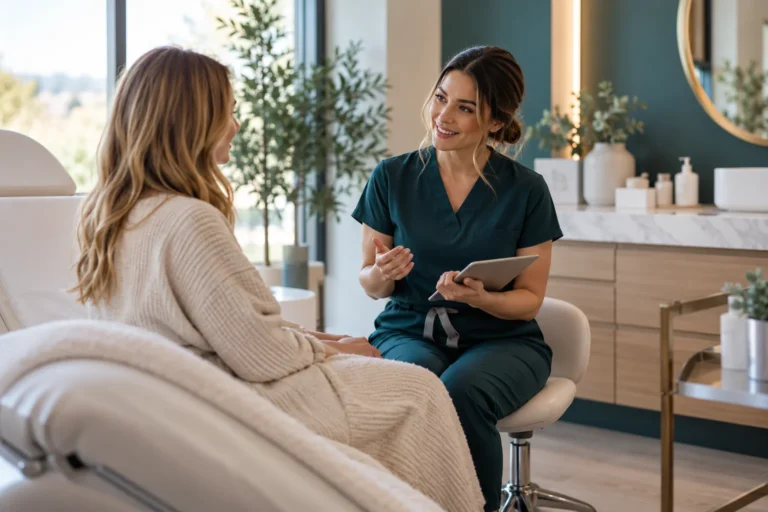
In most models the owner is a business manager rather than the provider, leading a clinic or studio manager, recruiting licensed staff and overseeing marketing, memberships and compliance. Clinical concepts may require a medical director or supervising practitioner under state rules. Many studio models support semi-absentee ownership after launch, while home-based nutrition concepts are typically owner-operated.
What to evaluate
- State licensing, regulation and any clinical oversight requirements
- Private pay versus insurance or government reimbursement
- Practitioner and therapist recruiting in your area
- Liability insurance costs
- Membership retention and churn data from current owners
Who tends to do well
This category suits mission-driven leaders comfortable in regulated environments, often with healthcare, HR or operations backgrounds. Many owners are women and corporate professionals who want a manager-led business. Success depends on recruiting and keeping licensed staff and respecting compliance rules.
Questions buyers ask
Do I need a medical license to own a health or wellness franchise?
Usually not as the owner, but some services must be performed or supervised by licensed professionals, and rules on clinic ownership vary by state. Confirm what applies where you live and review the structure with a qualified healthcare attorney.
Which health and beauty franchises are least regulated?
Nutrition coaching, stretching and some recovery concepts typically involve less regulation than med spas or clinics, though licensing for massage and some therapies still applies. Requirements vary by state, so verify them locally before committing.
Can health and wellness franchises be run semi-absentee?
Many studio and clinic models are built around a manager and licensed staff, which can support semi-absentee ownership after launch. Ask current franchisees how many hours they work and review Item 19 for any financial performance data.