
How med spa franchises work
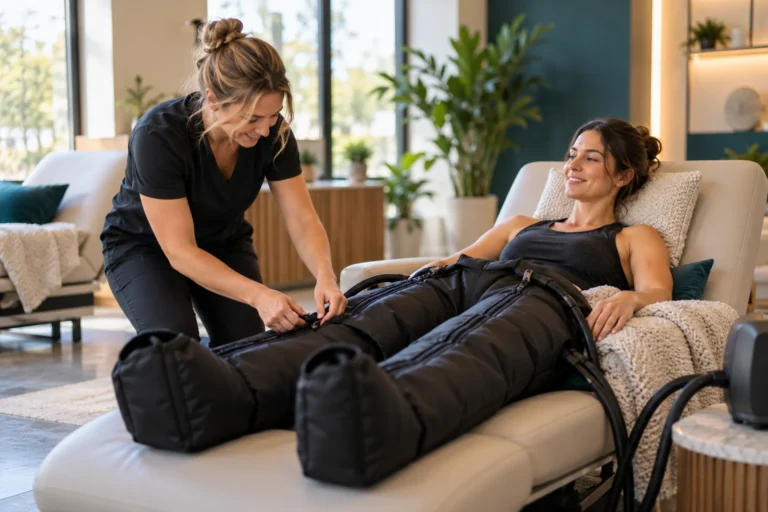
Med spa franchises sit between a day spa and a medical practice. Typical services include neurotoxin and filler injections, laser hair removal, skin resurfacing, body contouring, medical-grade facials and skin care products. Treatments are delivered by licensed providers such as nurses, nurse practitioners and physician assistants, with a medical director overseeing protocols as state law requires.
Clients are mostly adults paying privately for appearance-focused treatments, and many return on a regular cycle for maintenance. Ticket sizes are high compared with salon services, and memberships, treatment packages and product sales add recurring revenue. The trade-offs are significant: specialized equipment, a polished clinical build-out, liability insurance and a scarce pool of skilled injectors. Regulations on who can own, supervise and perform each service vary widely by state, which shapes how the business can be structured.
Why buyers consider med spa franchises
- High-value services Aesthetic treatments carry larger tickets than most personal care services.
- Maintenance-driven repeat visits Many treatments need regular touch-ups, bringing clients back on a predictable cycle.
- Owner as business leader Most franchises let a non-clinical owner lead the business while licensed providers deliver care, where state rules allow.
What it takes to invest
Med spa franchises often run from roughly $500,000 to $1.5 million all in, depending on the number of treatment rooms, laser and device packages, build-out finishes, local rent, medical director arrangements, opening inventory and working capital to cover provider payroll while the client base grows. Device financing can shift the up-front number. Review Item 7 of the Franchise Disclosure Document.
The owner's role
Owners usually lead the business side: hiring a clinic manager and licensed providers, arranging medical oversight, driving marketing and memberships and watching compliance. The model can support semi-absentee ownership once a strong manager and lead injector are in place, but launch demands close involvement. Ownership and supervision structures depend on state law; confirm what applies where you live with a qualified attorney.
What to evaluate
- State rules on med spa ownership, medical director supervision and scope of practice
- Availability and cost of experienced injectors and laser technicians locally
- Device costs, maintenance contracts and how quickly technology becomes dated
- Malpractice and liability insurance requirements and pricing
- Local saturation from independent med spas, dermatology practices and plastic surgeons
Who tends to do well
Med spas suit well-capitalized owners comfortable with regulation, clinical staff and premium client service. Healthcare executives, women entrepreneurs with beauty or wellness backgrounds and investors who can hire and retain skilled providers tend to fit best. Respect for compliance is essential.
Questions buyers ask
Can a non-medical person own a med spa franchise?
In many states a non-clinical owner can own the business with a structure that places medical decisions with licensed professionals, but some states restrict ownership. Rules vary widely, so confirm requirements in your state with a qualified healthcare attorney before signing.
What services do med spa franchises offer?
Common services include injectables, laser hair removal, skin resurfacing, body contouring, medical-grade facials and professional skin care products. The menu varies by brand and by what your state permits each type of provider to perform.
Is it hard to hire staff for a med spa?
Experienced injectors and laser providers are in demand in many markets, so recruiting can be a real constraint. Ask franchisees how long hiring took, what the franchisor provides for training, and how they keep providers. Review Item 19 for any performance data.