How automotive franchises work
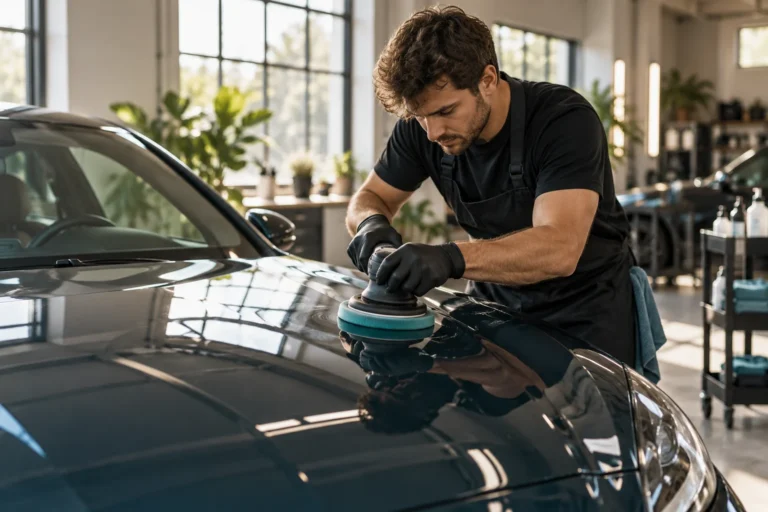
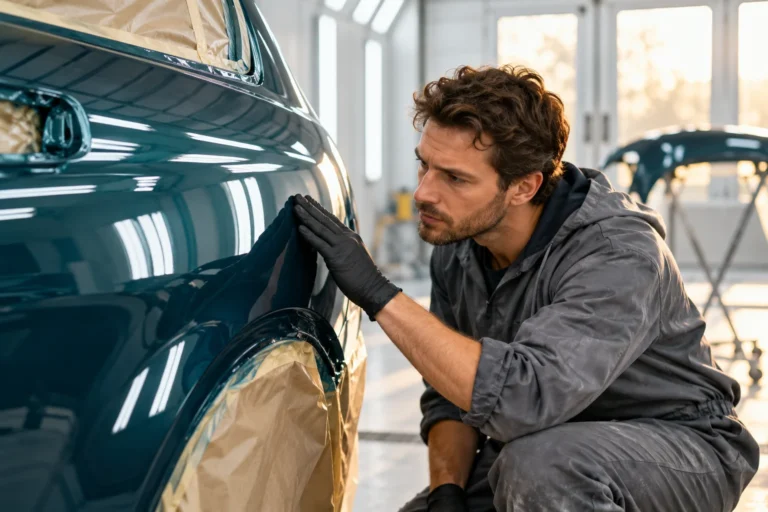
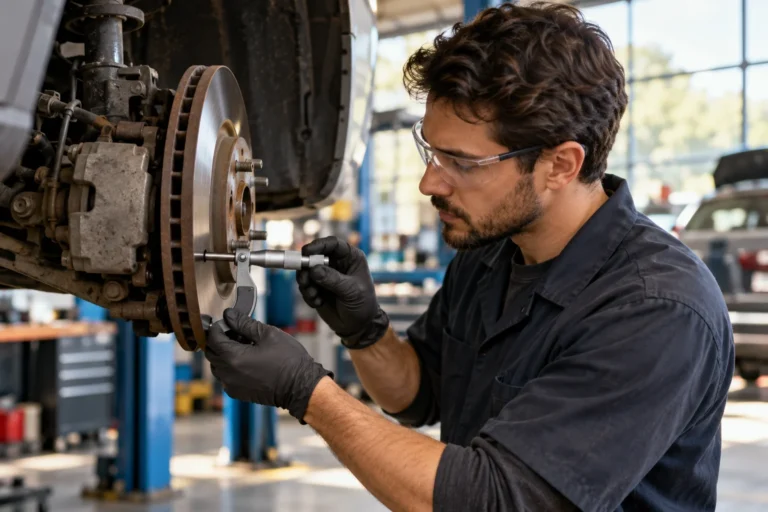
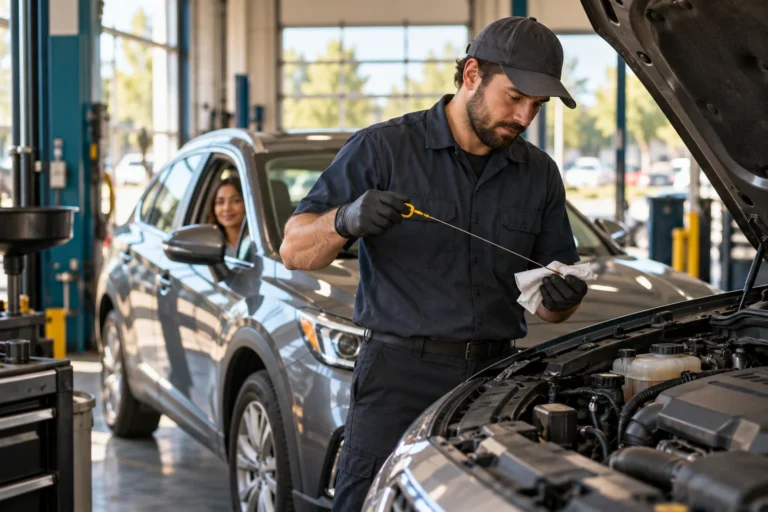
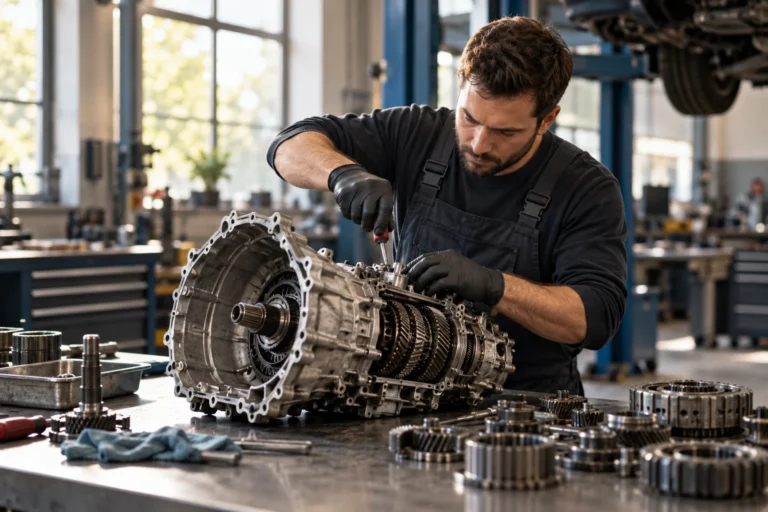
Automotive franchises cover a wide range of vehicle services: routine maintenance, mechanical repair, tires, glass, collision work, detailing and appearance. Customers include everyday drivers, households with several vehicles, and commercial fleets that need predictable upkeep. People keep vehicles longer than they used to, which supports steady demand for service, and a driver who trusts a shop tends to return for the next oil change, brake job or inspection.
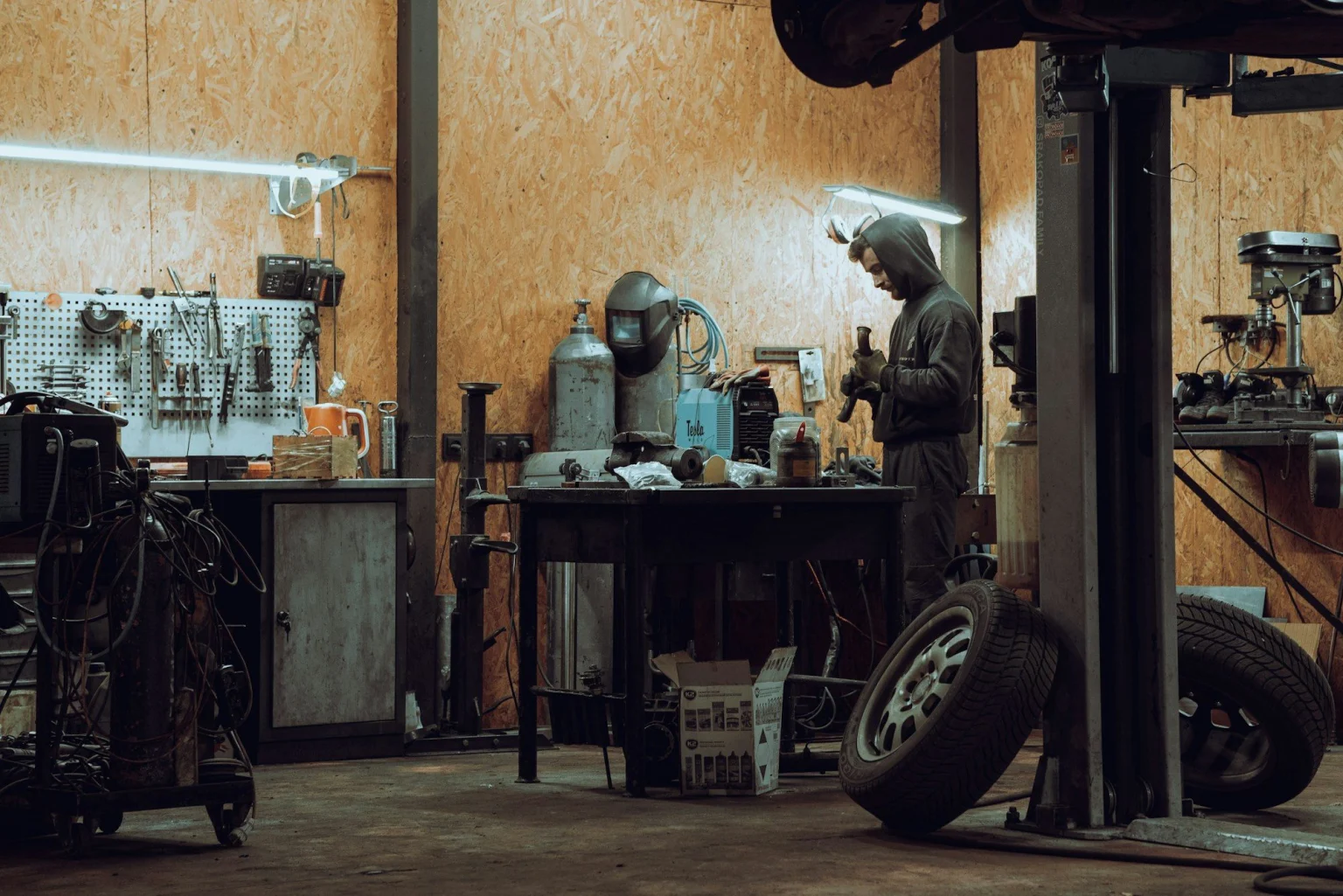
Revenue comes from a mix of quick, lower-ticket visits and larger repair tickets. Most concepts operate from leased bays with lifts and diagnostic equipment, so real estate and buildout weigh heavily on the budget. Labor is skilled and in demand, which makes technician hiring and retention a central job. Many models do not require mechanical expertise from the owner, who manages people, customer experience and local marketing.
Why buyers consider automotive franchises
- Essential maintenance Vehicles need regular service regardless of economic conditions, so demand does not hinge on discretionary spending.
- Repeat customers Trust built on the first visit brings drivers back for the next service and the one after that.
- Owner as operator of a team Most models do not require mechanical expertise from the owner, who leads technicians rather than replacing them.
What it takes to invest
Automotive concepts span a wide range. Mobile detailing can start from roughly $50,000, while bay-based repair and quick lube locations often run from roughly $250,000 to well over $1 million all in, depending on whether you lease or build, the number of bays, equipment packages and local construction costs. Plan for working capital to cover payroll while the customer base grows. Item 7 of the Franchise Disclosure Document lays out each brand's estimated initial investment.
The owner's role
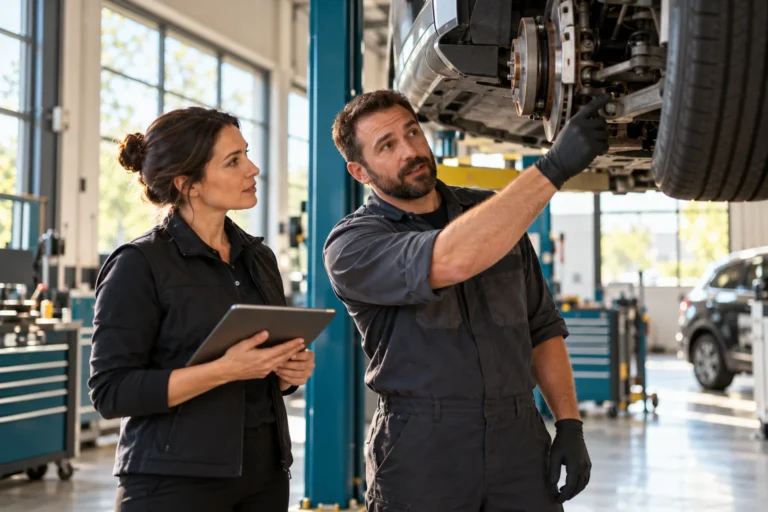
In most automotive models the owner is the operator of a team rather than the person under the hood. Days go to hiring and keeping technicians, reviewing repair orders, watching car count and average ticket, handling customer escalations and building relationships with fleet accounts and local businesses. Early on, expect to be on site full time. Owners who add locations usually step back into managing managers, with a service manager running each shop day to day.
What to evaluate
- Technician availability and pay in your market
- Equipment, bay and real estate costs, and whether conversion of an existing building is allowed
- Shifts toward electric vehicles and what they mean for the service mix over the term of the agreement
- Fleet and commercial account opportunities within your territory
- Warranty terms and parts supplier relationships the brand requires
Who tends to do well
Automotive franchising suits operations-minded leaders who value process, safety and customer trust. Military veterans and former plant or logistics managers often adapt well, because the work rewards checklists, team discipline and calm problem solving. You do not need to be a mechanic, but you do need to be comfortable recruiting skilled labor and making equipment and real estate decisions with real money at stake.
Questions buyers ask
Do I need mechanical experience to own an automotive franchise?
Usually not. Most automotive franchisors look for business and people management skills, and they expect you to hire certified technicians and a service manager. Some background helps you talk credibly with staff and customers, but brands typically provide operational training. Confirm in the franchise agreement whether the owner must hold any certification.
Are automotive franchises affected by electric vehicles?
Partly. Electric vehicles skip oil changes and some engine work, but they still need tires, brakes, suspension, alignment, glass, collision repair and detailing. Ask each franchisor how its service menu, training and equipment plans account for a changing vehicle mix in your territory over the length of the agreement.
Can I own multiple automotive franchise locations?
Many automotive brands welcome multi-unit owners, and some offer development agreements for several locations. Expanding works best once your first shop has a stable service manager and technician team. Ask about territory rights, development schedules and the capital each additional unit will require before you commit.