How bar and grill franchises work
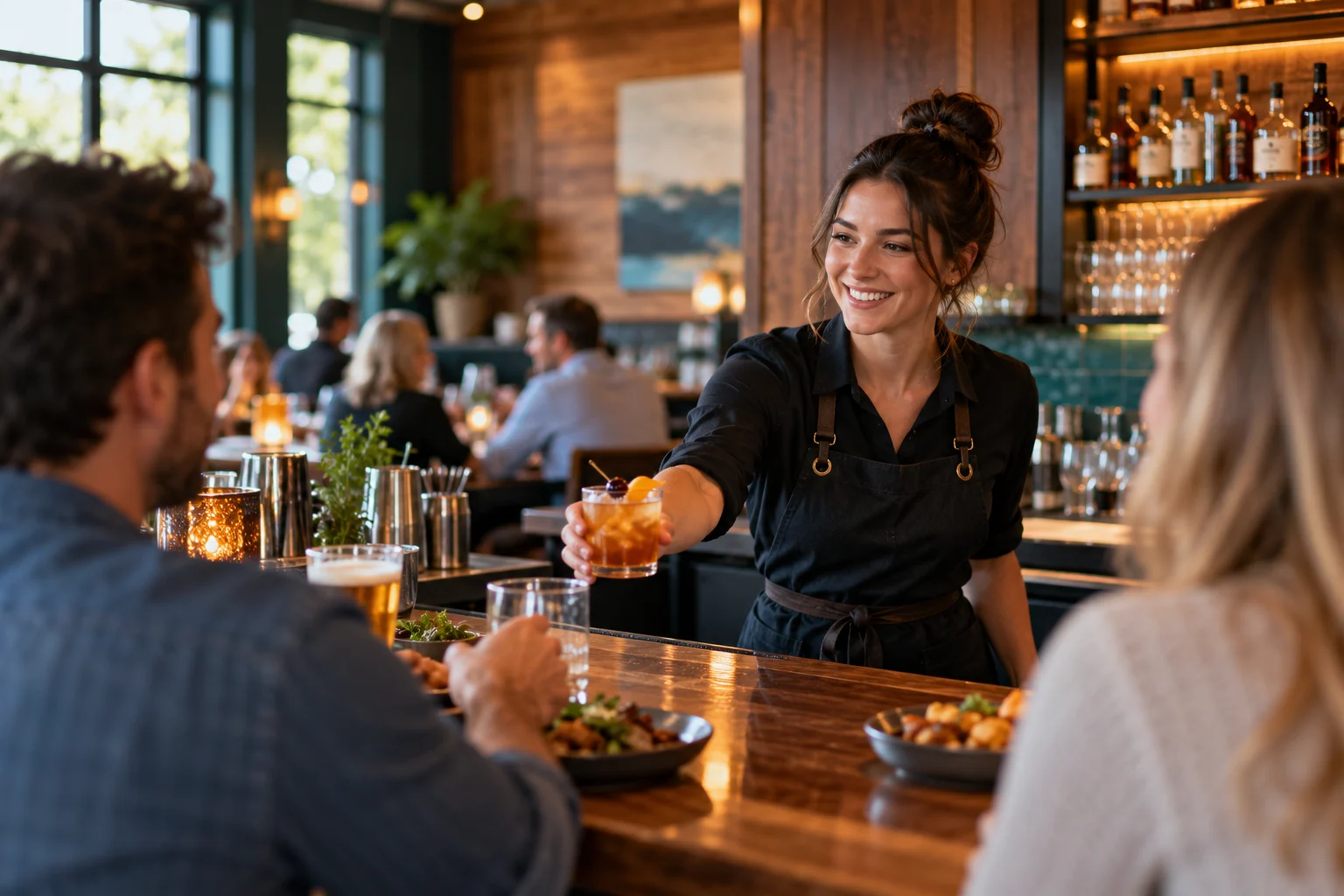
Bar and grill franchises offer full-service dining with burgers, steaks, sandwiches, appetizers and a bar program of beer, wine and cocktails. Customers come for dinner, happy hour, sporting events, celebrations and evenings out with friends. Televisions, patios, trivia nights or live music often support the atmosphere.
Alcohol sales can carry healthy margins and lift the check, but they bring licensing requirements and liability. These restaurants usually occupy large freestanding buildings or big end-cap spaces with substantial kitchens, bars and seating. Staffing includes cooks, servers, bartenders, hosts and managers across long evening and weekend hours. Sales often vary with sports seasons, weather for patios and local events. The investment and complexity are high, which is why many brands look for experienced restaurant operators. Kitchen and bar inventory both need careful control, since waste and overpouring erode margins quickly.
Why buyers consider bar and grill franchises
- Beverage sales A bar program raises the average check and can carry stronger margins than food.
- Social destination Sports, events and gatherings bring groups who stay longer and spend more.
- Experienced-operator appeal Restaurant veterans can apply full-service skills within an established brand and system.
What it takes to invest
Bar and grill franchises often range from roughly $1 million to $4 million or more all in. Building size, whether you build new or convert an existing restaurant, kitchen and bar equipment, audiovisual systems and patios drive the range, along with the cost of a liquor license in your area. Working capital needs are large given payroll and inventory. Item 7 of the Franchise Disclosure Document lists the estimates for each format.
The owner's role
Most brands expect an experienced operator or a strong management team. The owner oversees a large staff, alcohol compliance, guest experience and event programming, with evenings and weekends the busiest times. Investor owners usually rely on a general manager plus kitchen and bar managers, but still need close financial oversight given the scale of the business.
What to evaluate
- Liquor license availability and cost in your city, and how long approval takes
- Alcohol share of sales and liability insurance requirements
- Building size, conversion options and total occupancy cost
- Management staffing the brand requires and its cost
- Sports seasons and local events that drive traffic in your market
Who tends to do well
Bar and grill franchises suit experienced restaurant operators and well-capitalized investor groups who can build a strong management team. They are rarely a good first business for someone new to food service, given the capital, staffing and regulatory demands involved.
Questions buyers ask
Do I need a liquor license to open a bar and grill franchise?
Yes, if you serve alcohol. Licensing varies by state and city, and some areas cap the number of licenses, which can raise costs. Confirm what applies where you live and consult a qualified attorney familiar with local rules.
How much does a bar and grill franchise cost?
These are among the larger food investments, often from around $1 million to several million all in. Conversions of existing restaurants can reduce costs. Item 7 of the Franchise Disclosure Document gives each brand's estimate.
Do bar and grill franchisors require restaurant experience?
Many prefer or require it, either from the owner or from a committed operating partner. Ask each brand what qualifications it expects and how it evaluates management teams for investor-led groups.