How home inspection franchises work
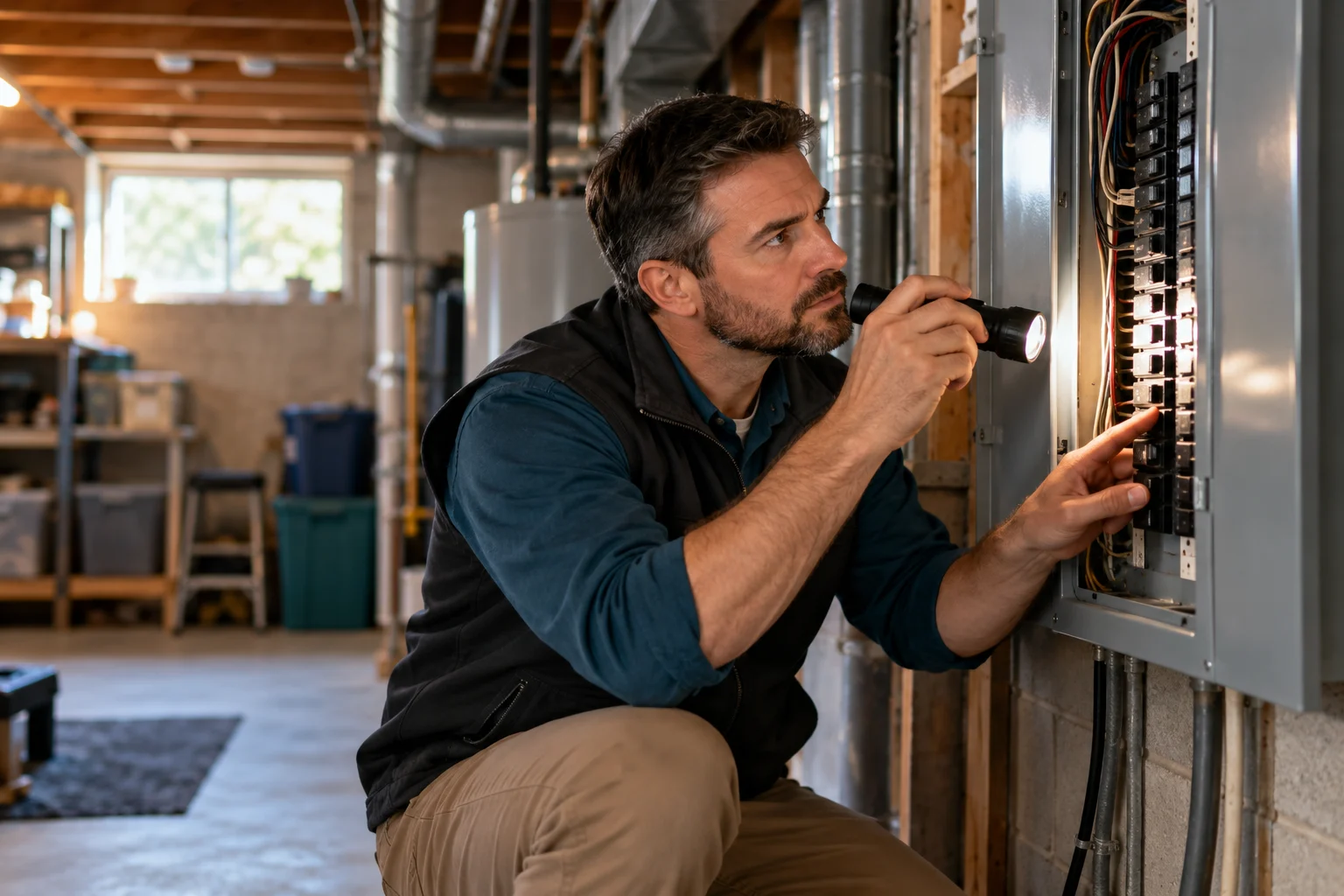
A home inspection franchise evaluates the condition of residential properties, usually for buyers before a sale closes and sometimes for sellers preparing to list. Inspectors check structure, roofing, electrical, plumbing, heating and cooling, and produce a written report the same day or soon after. Many brands add radon, mold, sewer scope, pool or termite inspections, which raise the ticket per visit.
Revenue is per inspection, with tickets driven by home size and add-ons. Customers rarely repeat, so the steady source of work is real estate agents who refer their buyers. The model needs little equipment and no storefront, which is why many owners start home-based and do the inspections personally. Volume tracks local housing activity, so busy markets reward owners who can add inspectors and keep agents happy with fast scheduling.
Why buyers consider home inspection franchises
- Low startup cost Tools, software, a vehicle and training are the main expenses, keeping the entry point modest.
- Home-based flexibility Many owners work from home and control their own schedule around appointments.
- Add-on services Specialty inspections raise revenue per visit without needing a separate customer.
What it takes to invest
Home inspection franchises often run from roughly $35,000 to $120,000 all in, depending on the franchise fee, inspection tools and software, licensing and training costs, a vehicle and opening marketing to agents. Multi-inspector or office-based models cost more. Working capital should cover licensing time, insurance and living expenses while referral relationships build. Item 7 of the Franchise Disclosure Document lists each brand's estimated initial investment.
The owner's role
In most brands the owner is the first inspector, performing inspections, writing reports and explaining findings to buyers. Just as important is the time spent meeting real estate agents, attending office meetings and responding quickly to scheduling requests. Owners who want to grow hire and train additional inspectors, then shift toward marketing and quality review of reports.
What to evaluate
- State licensing, education hours and exam requirements for inspectors where you live
- Errors and omissions and general liability insurance costs, and how the brand supports claims
- Report software, turnaround standards and how they compare with independent local inspectors
- Which add-on inspections the brand trains for and whether they need separate certifications
- Sensitivity to housing transaction volume in your market and how existing franchisees weathered slowdowns
Who tends to do well
Home inspection suits detail-oriented, technically curious people who are comfortable on ladders and in crawl spaces, and who enjoy networking. Veterans with maintenance or engineering backgrounds often fit well. It works for buyers seeking a low-cost, home-based start who want to do the core work themselves.
Questions buyers ask
Do home inspectors need a license?
Many states require a license with specific education hours and an exam, while others have lighter or no statewide rules. Licensing varies by state, so confirm what applies where you live and how long training and licensing will take before you can inspect.
Can a home inspection franchise grow beyond one inspector?
Yes, some owners add inspectors and become multi-inspector firms, though many remain owner-operators by choice. Growth depends on agent relationships and local housing volume. Ask franchisees how they added capacity and what it did to their role.
How do home inspection franchises get customers?
Most work comes through real estate agent referrals, supported by online reviews and scheduling convenience. Building trust with agents takes time and steady follow-up. Ask the franchisor what marketing support it provides for agent outreach in your first year.