
How rental store franchises work
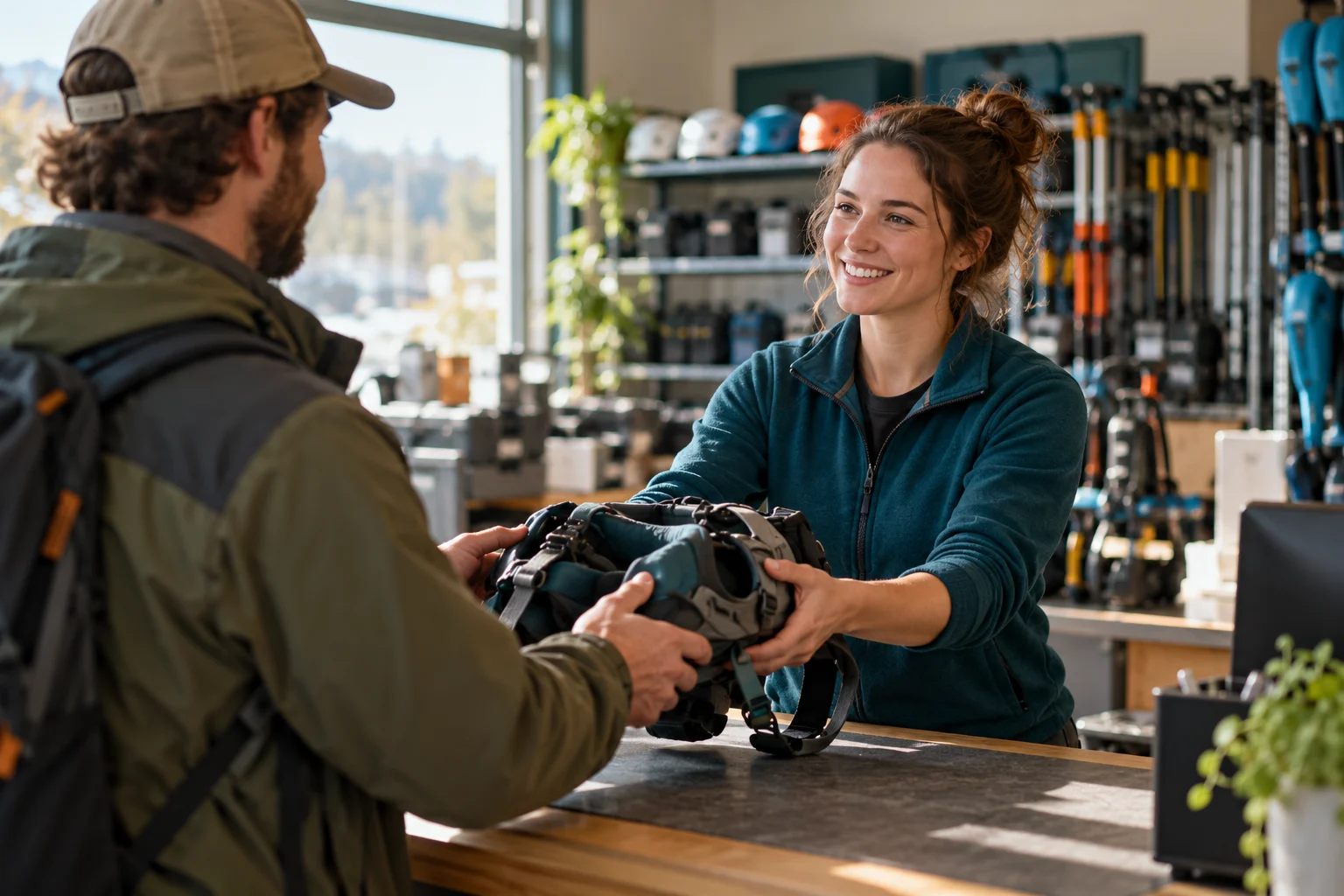
Rental store franchises rent tools, construction and landscaping equipment, moving supplies, event furnishings or other items customers need for a short time rather than wanting to buy. Customers include homeowners tackling projects, contractors, landscapers, event hosts and small businesses. Many stores also sell related supplies and offer delivery and pickup.
The model is built on asset utilization: each piece of equipment earns money every time it goes out and costs money to repair, clean and replace. Rental tickets range from a few hours to several weeks, with contractor accounts providing repeat business. Stores usually need a leased location with yard or warehouse space, service bays and delivery trucks. Staff must know the equipment well enough to explain safe use and check returns carefully. Pricing by the hour, day and week, plus damage waivers and delivery fees, shapes how much each asset earns over its life.
Why buyers consider rental store franchises
- Repeat earning assets Each piece of equipment can be rented many times, spreading its cost across many customers.
- Contractor relationships Trade accounts provide steady, recurring demand beyond weekend homeowners.
- Practical, operational work Logistics, maintenance and safety appeal to owners who like running a disciplined operation.
What it takes to invest
Rental store franchises often require roughly $300,000 to $1 million or more all in, depending heavily on the size of the equipment fleet, yard space, trucks and local real estate. Equipment can sometimes be financed or leased separately. Keep working capital for repairs and seasonal slowdowns. Item 7 of the Franchise Disclosure Document lists each brand's estimate.
The owner's role
Owners manage the fleet, staff and customer accounts, deciding what to buy, when to retire equipment and how to price. Early on many work the counter and learn the maintenance routine. Over time, owners hire a store manager and service technicians and focus on contractor sales, fleet planning and possibly additional locations.
What to evaluate
- Fleet purchase requirements and recommended utilization targets
- Maintenance, repair and replacement costs over an asset's life
- Damage waivers, insurance and liability coverage
- Competition from big-box rental counters and independent yards
- Seasonal demand patterns for the equipment mix in your region
Who tends to do well
Rental stores suit organized, mechanically comfortable operators who value safety and process. Military veterans, former logistics or construction managers and people who like asset-based businesses often adapt well. Owners should be comfortable with significant capital in equipment and the discipline it takes to keep it earning.
Questions buyers ask
What kinds of rental store franchises exist?
Common types include tool and equipment rental, party and event rental, and specialty rentals such as moving or medical equipment. Each has different fleet costs, customer mix and seasonality, so compare models carefully.
Are rental franchises a good fit for veterans?
Many veterans are drawn to the logistics, maintenance and safety focus. Some franchisors offer veteran incentives, which vary by brand. Ask what applies and speak with veteran owners in the system.
Can I finance rental equipment with an SBA loan?
Equipment and franchise costs are often financed with SBA-backed or equipment loans, but eligibility and terms depend on the lender, the brand and your finances. Speak with a franchise-experienced lender and an attorney.