How handyman franchises work
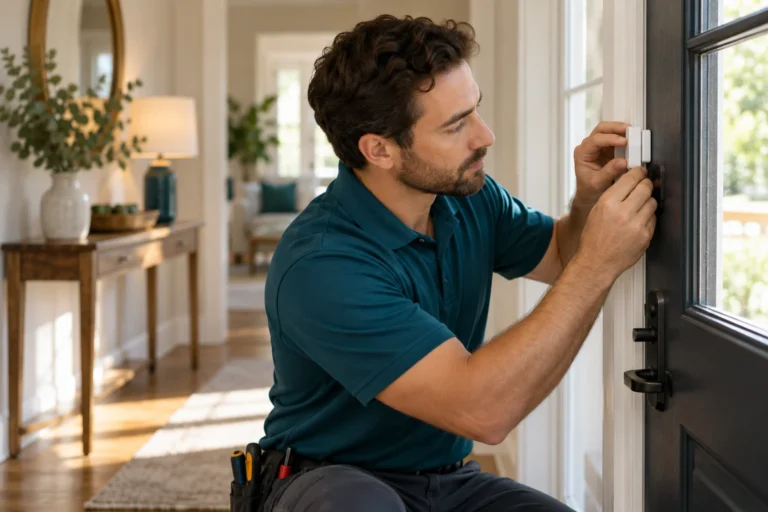
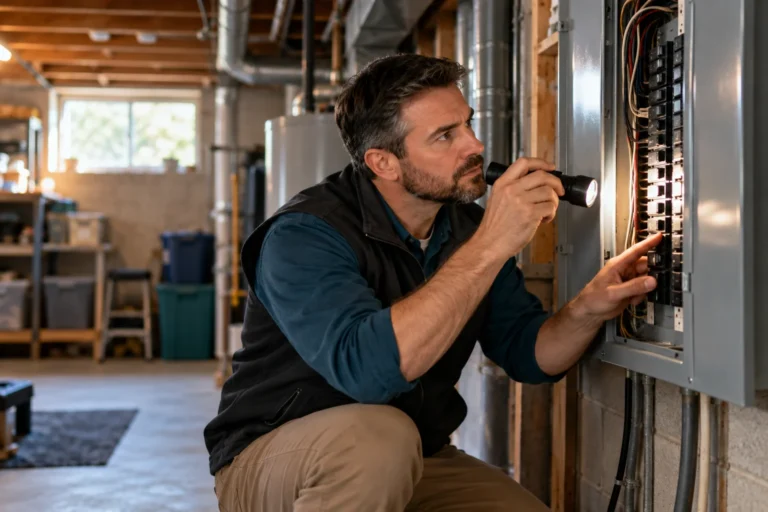
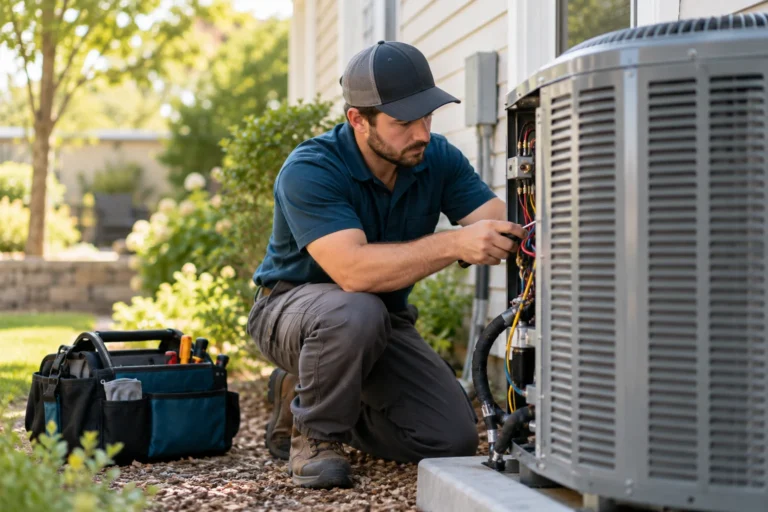
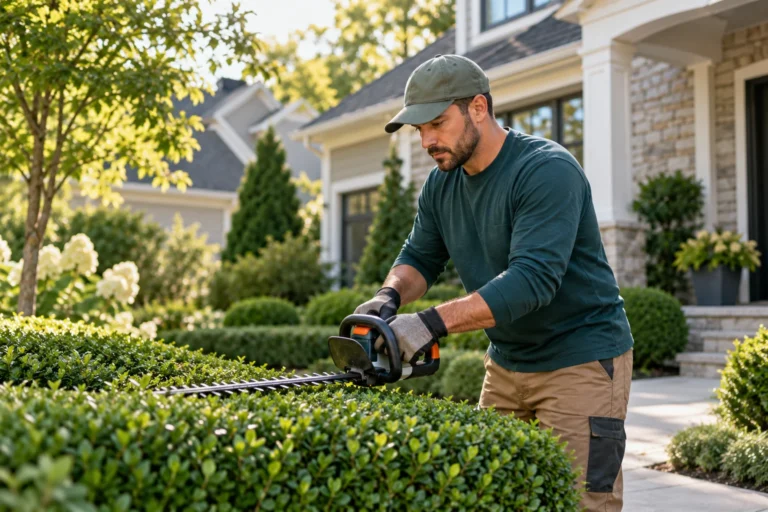
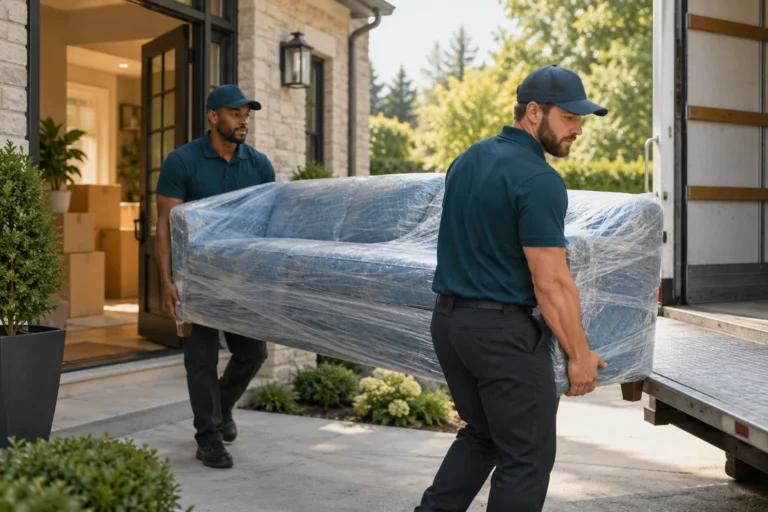
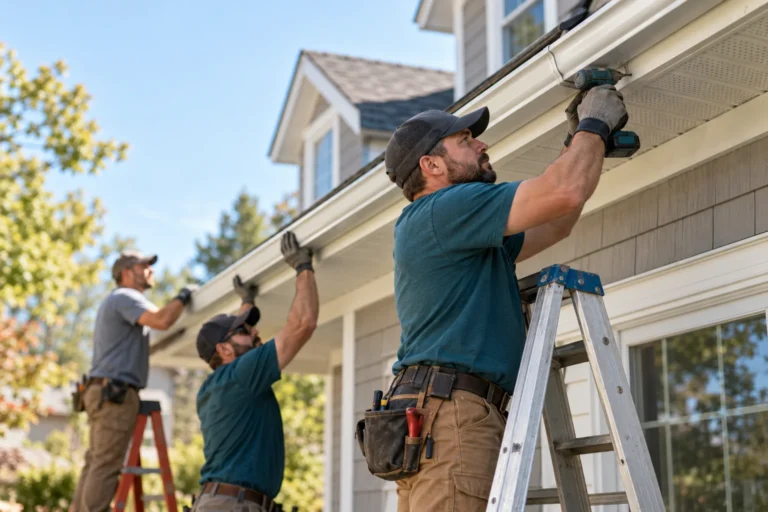
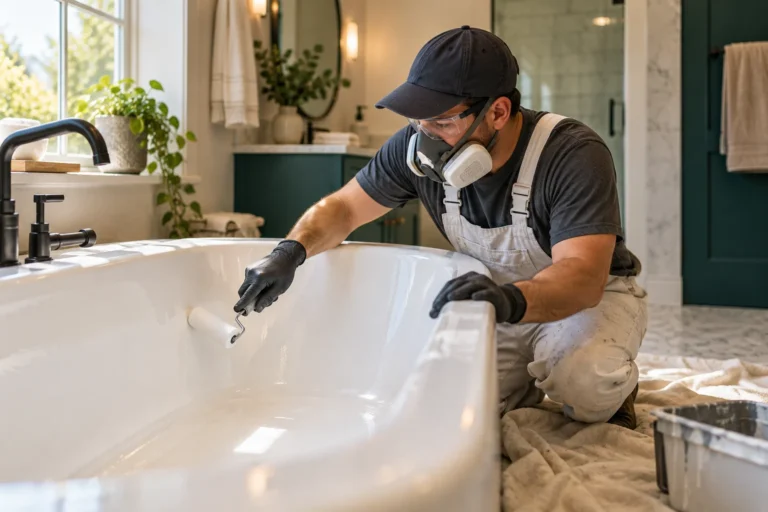
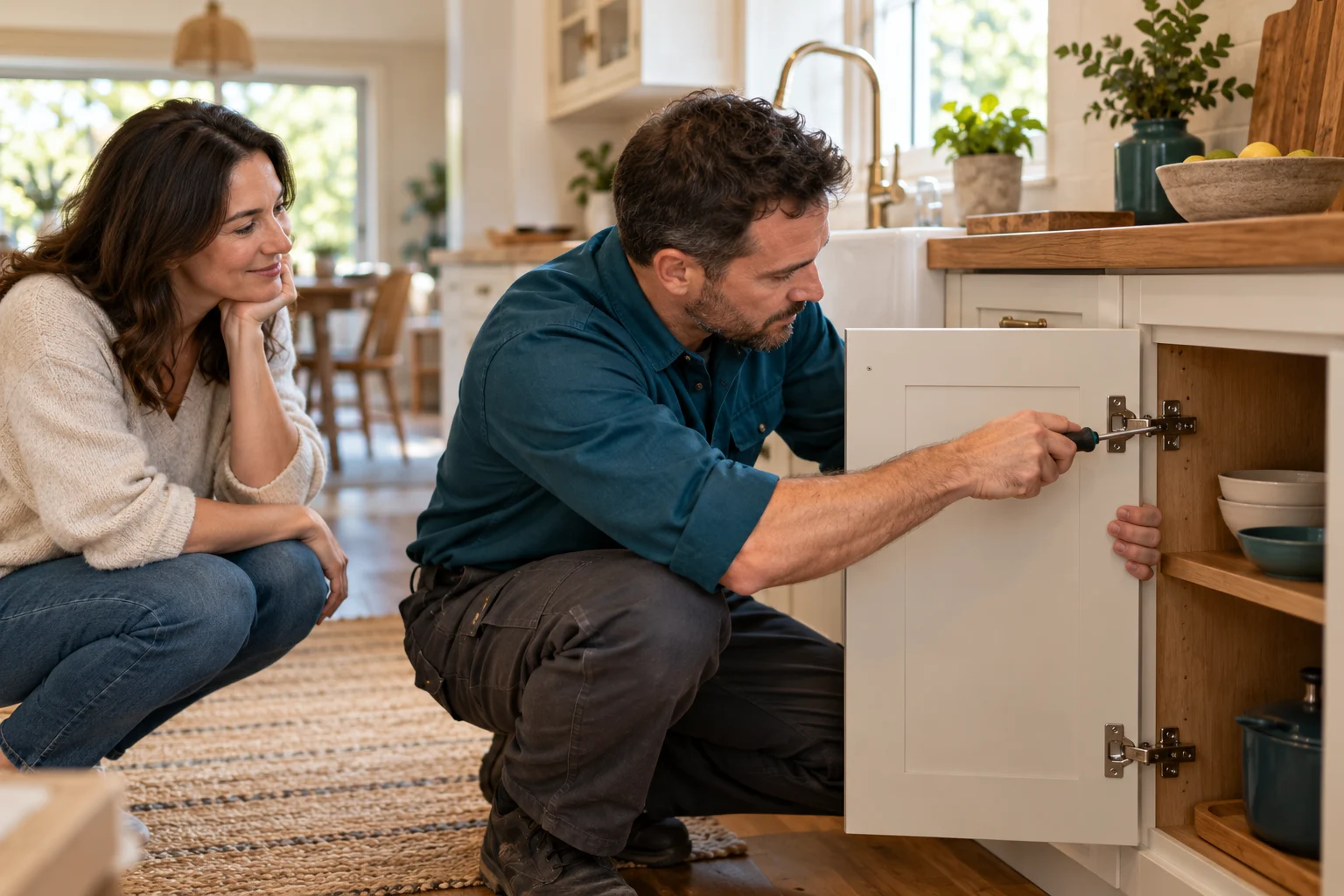
A handyman franchise handles the minor repairs and installations that are too small for a contractor and too fiddly for most homeowners: sticking doors, drywall patches, fixture swaps, caulking, shelving, deck repair and similar tasks. Customers include busy families, older homeowners, landlords and real estate agents preparing a house for sale.
Jobs are usually billed by the hour or by a set task price, with modest tickets but frequent repeat business once a customer trusts the crew. Many owners bundle several items into one visit to make the trip worthwhile. The model is light on equipment and real estate, and many owners start from home. The core challenge is finding craftsmen with broad skills who show up on time and treat a customer's house with care. Tight scheduling within a small area keeps drive time low.
Why buyers consider handyman franchises
- Low barrier to start Tools and a vehicle are the main assets, so startup costs are lighter than most trade franchises.
- Loyal repeat customers Homeowners who find a dependable handyman tend to call back with the next list rather than shop around.
- Wide range of work Many small skills add up to a broad service menu that is less tied to one season or one trade.
What it takes to invest
Handyman franchises often run from roughly $60,000 to $200,000 all in, depending on the franchise fee, the number of vans and tool packages at launch, and whether you lease a small shop. A home-based start keeps the lower end within reach. Set aside working capital for craftsman wages and local marketing while you build a base of repeat clients. Each brand's estimate appears in Item 7 of the Franchise Disclosure Document.
The owner's role
Owners usually spend their time on the phone and in homes estimating, not on ladders. You quote jobs, schedule craftsmen, manage customer expectations and follow up on quality. Early on some owners fill gaps themselves. As the team grows, the role shifts toward recruiting, marketing to property managers and agents, and keeping the schedule dense within a tight geography.
What to evaluate
- Which jobs require a licensed contractor in your state, and the dollar limits on unlicensed handyman work
- How the franchisor helps recruit multi-skilled craftsmen and what it pays them relative to your market
- Pricing model, hourly or flat task rates, and how it protects margin on small jobs
- Liability insurance requirements and how damage claims in customer homes are handled
- Mix of residential versus property manager and real estate agent work among existing owners
Who tends to do well
Handyman ownership suits organized, people-oriented operators who like solving problems and building trust with customers, including veterans and former managers. It works well for buyers wanting a modest investment and a home-based start, provided they are ready to recruit steadily.
Questions buyers ask
Can I start a handyman franchise from home?
Many brands allow it, with craftsmen meeting customers at job sites and tools stored in vans or a small storage unit. As you add staff you may want a shop. Check local zoning and confirm the brand's expectations before you plan around a home office.
What licenses does a handyman business need?
It depends on your state and city. Some places cap the value of work done without a contractor license or restrict electrical and plumbing tasks. Licensing varies by state, so confirm what applies where you live and how the franchisor guides owners on scope.
How do handyman franchises find customers?
Most combine local digital marketing, reviews, referrals and relationships with property managers and real estate agents. Repeat customers are the long-term engine. Ask existing franchisees which sources produce their best jobs and what they spend to win them.