
How pest control franchises work
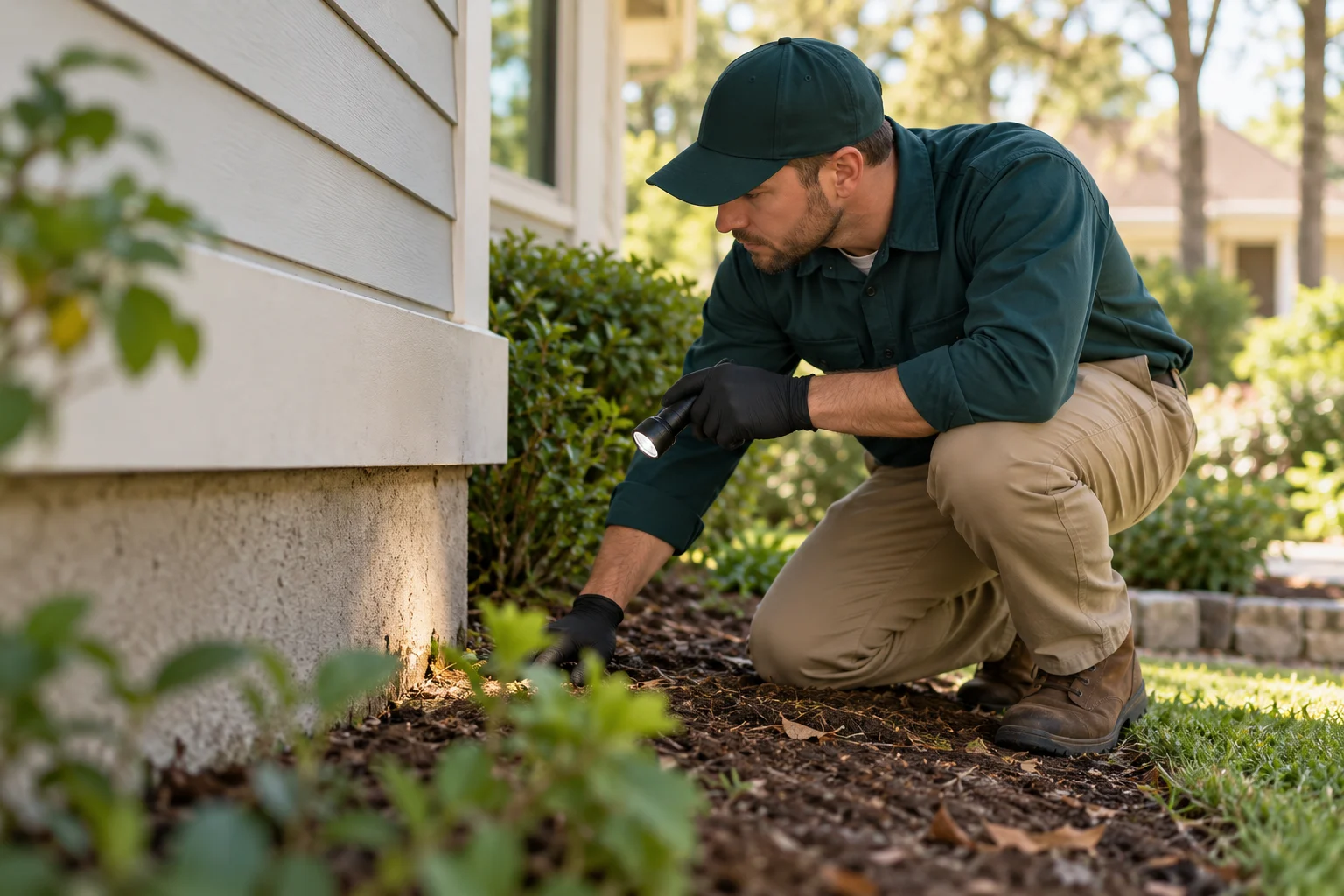
A pest control franchise inspects for and treats insects, rodents and wildlife problems, and often offers mosquito, termite or bed bug services. Customers include homeowners, landlords, restaurants, offices, warehouses and other commercial properties that must meet health or tenant standards.
Revenue is heavily recurring. Most customers sign up for quarterly, monthly or seasonal service plans after an initial treatment, and commercial accounts often require regular documented visits. One-off jobs such as rodent exclusion or wildlife removal add higher-ticket work. The model runs from a home office or small facility with trucks, products and trained, licensed technicians. Route density drives productivity, since technicians who serve many customers in a small area spend less time driving. Commercial accounts bring documentation duties, such as service logs and inspection records, that health inspectors and auditors may review. Getting those systems right protects the account.
Why buyers consider pest control franchises
- Recurring service plans Scheduled treatments create predictable revenue that renews without starting over each month.
- Essential, compliance-driven demand Health codes and tenant standards make pest control a requirement for many commercial customers.
- Lean start A truck, equipment and licensing can get many operators running from home.
What it takes to invest
Pest control franchises often run from roughly $50,000 to $200,000 all in, depending on the franchise fee, trucks and equipment, product inventory, licensing and launch marketing. Specialized services such as termite or wildlife work may add cost. Working capital should carry you while the recurring customer base builds and technicians complete licensing. Item 7 of the Franchise Disclosure Document lists each brand's estimated initial investment.
The owner's role
Many owners start by selling plans and running routes themselves, especially while licensing new hires. Over time, the role shifts toward building commercial accounts, hiring and training technicians, managing compliance records and growing route density. Seasonal spikes, especially in warm months, bring busy schedules and fast response expectations. Compliance records require care.
What to evaluate
- State pest control licensing for the business and technicians, and how long it takes to qualify
- Recurring customer retention and cancellation patterns among existing franchisees
- Commercial versus residential mix and the documentation commercial clients expect
- Product sourcing, safety training and environmental compliance obligations
- Territory boundaries, route density potential and competition from national operators
Who tends to do well
Pest control suits steady, systems-minded owners who like recurring revenue and are comfortable with licensing and regulations. Veterans often fit the route-based discipline well. It can start home-based at a lower investment, making it a practical first business for hands-on operators.
Questions buyers ask
Do I need a license to own a pest control franchise?
Most states require a licensed applicator or a certified operator for the business, and technicians often need their own credentials. Requirements and timelines differ widely. Licensing varies by state, so confirm what applies where you live before signing.
How much of pest control revenue is recurring?
Many brands build around ongoing service plans, so recurring revenue can be a large share. The exact mix depends on the brand and your customer base. Ask franchisees about retention and review Item 19 for any performance data disclosed.
Is pest control seasonal?
Activity rises in warmer months, with mosquito and ant work peaking in summer, while rodent work often increases in fall and winter. Recurring plans smooth revenue. Ask franchisees in your climate how demand shifts through the year.