How commercial cleaning franchises work
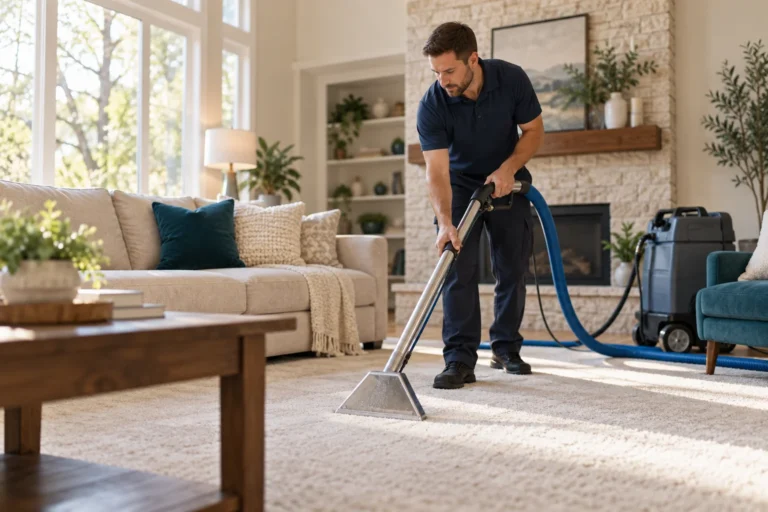
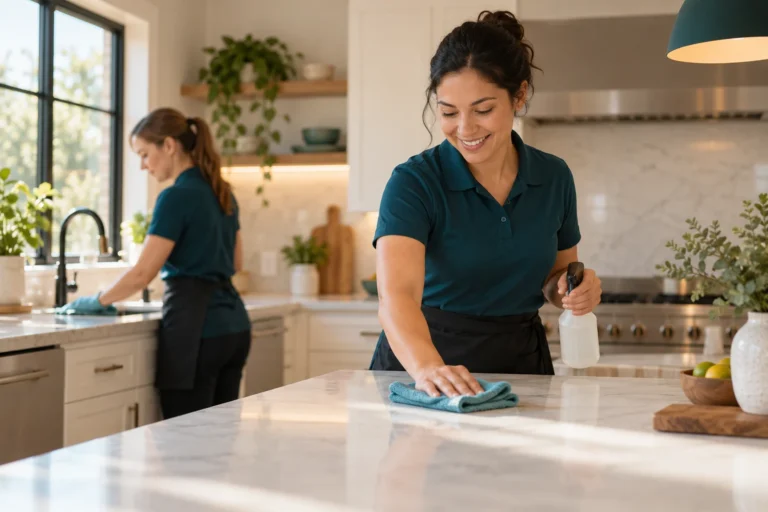
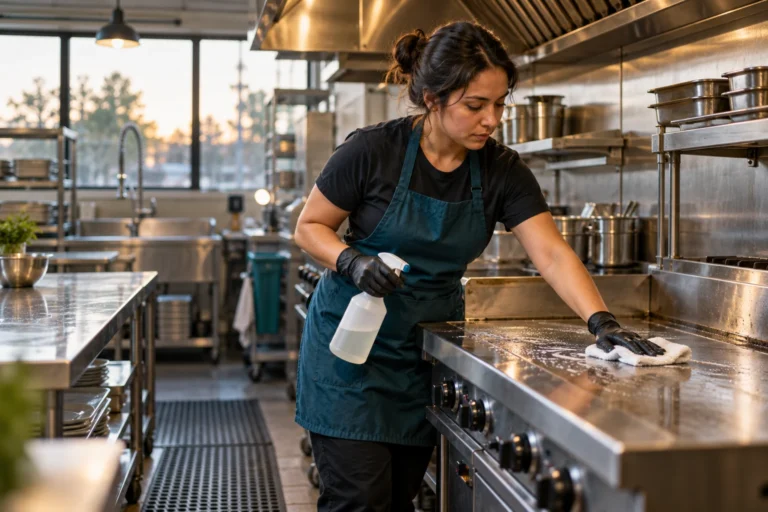
A commercial cleaning franchise handles janitorial work for businesses and institutions: offices, medical and dental clinics, schools, gyms, churches, retail stores and industrial spaces. Services include routine cleaning, restrooms, trash removal, floor care and sometimes disinfection or window work. Buyers are facility managers, office administrators and property managers who want a dependable vendor they do not have to think about.
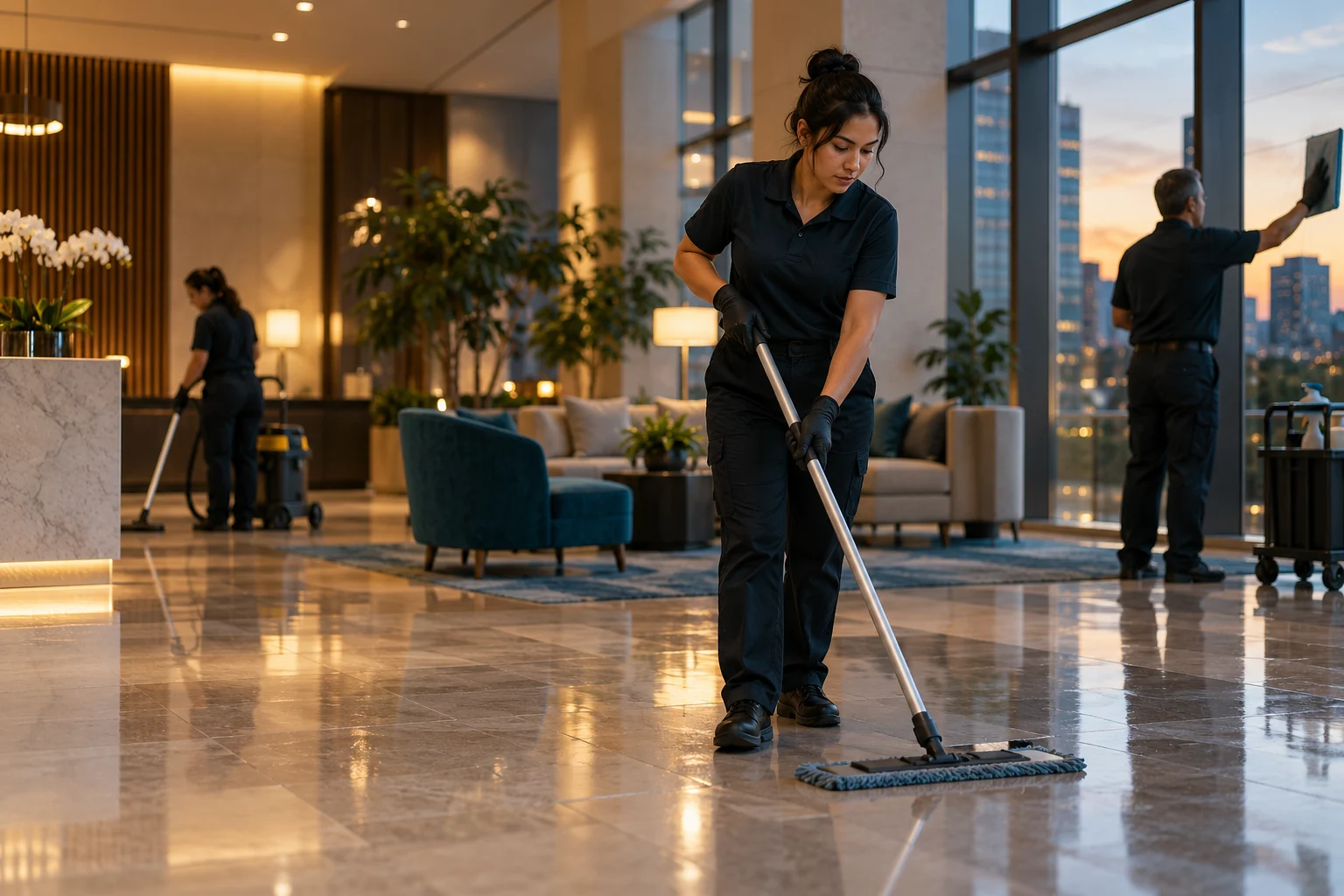
Revenue comes from monthly contracts, which makes income recurring and relatively predictable once accounts are signed. Larger buildings produce bigger contracts but more competitive bidding. Crews usually work evenings or early mornings, so there is little real estate beyond a small office and storage. Some models use subcontracted unit franchisees, while others employ cleaners directly. Either way, winning bids, keeping clients and keeping crews reliable are the core of the business.
Why buyers consider commercial cleaning franchises
- Contract revenue Monthly service agreements build a base of recurring income that grows as you add accounts.
- Daytime hours for the owner Sales and management happen during the day while crews clean after hours.
- Room to scale Adding accounts and crews grows the business without opening new storefronts.
What it takes to invest
Commercial cleaning is often one of the more affordable franchise categories, typically from roughly $40,000 to $200,000 all in, depending on territory size, equipment, vehicles and the brand's operating model. Larger protected territories usually cost more. The bigger need is often working capital, because payroll runs before clients pay their invoices. Item 7 of the Franchise Disclosure Document shows each brand's estimate.
The owner's role
The owner is primarily a salesperson and manager. Days go to prospecting, walking buildings, preparing bids, meeting facility managers and handling account issues, while a supervisor oversees the evening crews. In the early phase, owners sometimes inspect or fill in at night. Once a reliable operations manager is in place, many owners run the business semi-absentee, focusing on sales and key relationships.
What to evaluate
- Whether the brand uses employee crews or subcontracted unit operators, and the legal implications of each
- How the franchisor generates leads and supports bidding on larger contracts
- Contract terms, cancellation clauses and typical account retention
- Labor availability and wage levels for evening cleaning crews in your market
- Insurance, bonding and any certifications needed for medical or government facilities
Who tends to do well
Commercial cleaning suits owners who enjoy business-to-business sales and want a recurring revenue model without a storefront. Veterans and former corporate managers often fit, especially those used to managing contracts and teams. It works for semi-absentee investors willing to fund a strong manager, provided they stay involved in sales.
Questions buyers ask
How do commercial cleaning franchises find clients?
Most rely on a mix of franchisor-generated leads, direct outreach to facility managers, networking and referrals. Larger contracts usually require formal bids. Ask how the franchisor supports lead generation, how many bids existing owners submit before winning accounts, and how long it takes to build a stable base.
Can I run a commercial cleaning franchise part time?
Some owners start part time or run it semi-absentee, since cleaning happens after hours. Sales and client management still need consistent attention during the day. Ask existing owners how many hours they work and when they were able to hand day-to-day operations to a manager.
What insurance does a commercial cleaning business need?
Typical coverage includes general liability, workers' compensation, commercial auto and a janitorial bond, and some clients require higher limits. Requirements vary by state and contract, so confirm what applies where you operate. The franchisor will usually set minimum coverage levels in its operations manual.