How HVAC franchises work
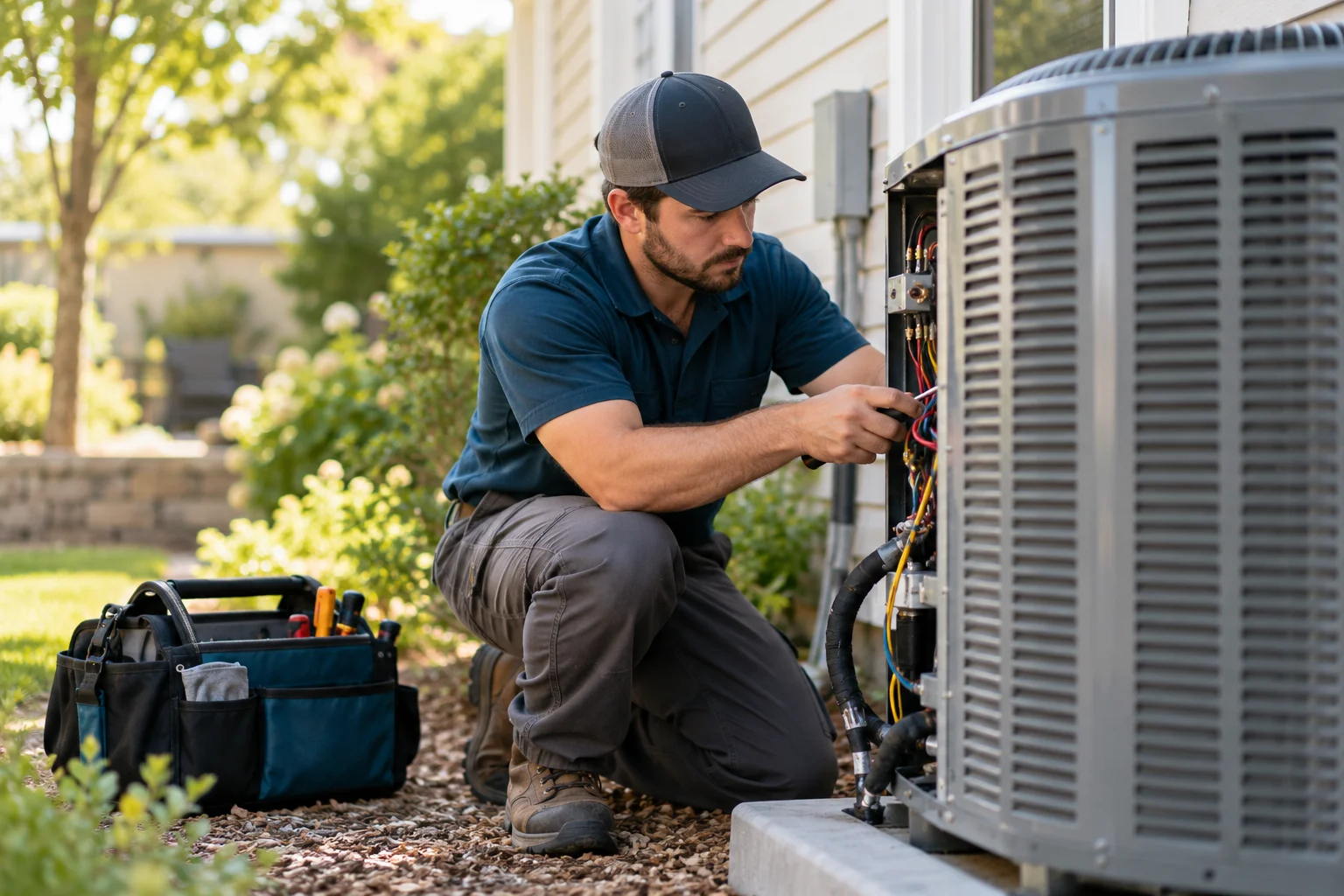
An HVAC franchise installs, repairs and maintains heating, ventilation and air conditioning systems, mostly in single-family homes and sometimes in light commercial buildings. Customers call for breakdowns, seasonal tune-ups, replacement of aging equipment and indoor air quality add-ons such as filtration and humidity control.
The money comes from three streams. Repair calls are frequent and moderately priced. Maintenance agreements bill on a schedule and keep customers loyal. System replacements are infrequent but carry large tickets, and they often originate from a technician on a repair or tune-up visit. The business runs from a shop or small warehouse with service vans, and the binding constraint is almost always the supply of skilled, licensed technicians in your market. Dispatch software, pricing books and supplier terms from the franchisor are a large part of what you pay for, so examine them closely.
Why buyers consider HVAC franchises
- Urgent, non-optional calls A home without heat or cooling is a problem the owner pays to fix quickly, which supports pricing and demand.
- Built-in recurring revenue Maintenance agreements create scheduled visits and a customer base you can serve for years.
- Large replacement tickets Equipment replacement turns a routine service relationship into an occasional high-value sale.
What it takes to invest
HVAC franchises often run from roughly $100,000 to $400,000 all in, depending on how many vans you launch with, inventory of parts and equipment, shop space and local marketing. Conversion models for existing contractors can cost less. Plan working capital to carry technician payroll through the shoulder seasons and to finance equipment purchases before customers pay. Item 7 of the Franchise Disclosure Document gives each brand's estimate.
The owner's role
Owners rarely turn wrenches. You typically lead sales of replacement systems, recruit and retain technicians, manage dispatch and watch margins on parts and labor. Peak seasons bring long days and weekend calls, while spring and fall are spent selling maintenance plans and training. Many owners eventually hire a service manager and focus on growth, hiring and comfort advisor sales.
What to evaluate
- Who must hold the mechanical or HVAC contractor license in your state, and whether you can hire a qualifier
- The supply of certified technicians locally and what the franchisor does to recruit and train them
- How the brand builds and prices maintenance agreements, and how many existing franchisees renew them
- Equipment supplier relationships, financing options for homeowners and warranty handling
- Climate in your territory and how evenly heating and cooling demand spreads across the year
Who tends to do well
HVAC suits operators who like structure, sales and building a technical team, including veterans with maintenance or logistics backgrounds. You do not need to be a technician, but you need comfort with licensing, seasonal swings and managing skilled people who have plenty of other job offers.
Questions buyers ask
Do I need an HVAC license to own an HVAC franchise?
Not always personally. Many states let the business operate under a licensed qualifier, which can be an employee. Requirements differ widely, so confirm what applies in your state and ask the franchisor how other non-technical owners have handled it.
How do HVAC franchises handle the slow seasons?
Most lean on maintenance agreements, tune-up campaigns, indoor air quality services and replacement sales to fill spring and fall. Ask franchisees in a similar climate how their schedule and cash flow look month by month, and review Item 19 for any performance data the brand discloses.
Is it better to buy an HVAC franchise or an independent company?
A franchise brings a brand, training, pricing systems and supplier terms. Buying an independent company brings existing customers and technicians. Some brands offer conversion programs for contractors. A matched consultant can help you compare both routes against your capital and experience.