
How home services franchises work
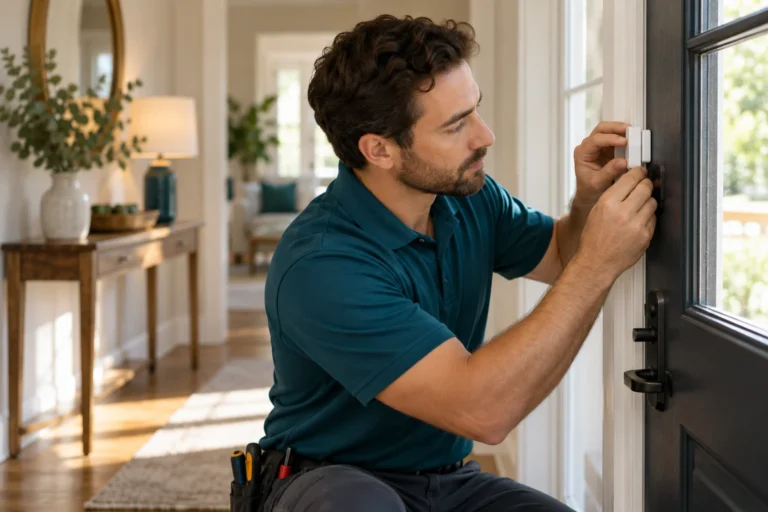
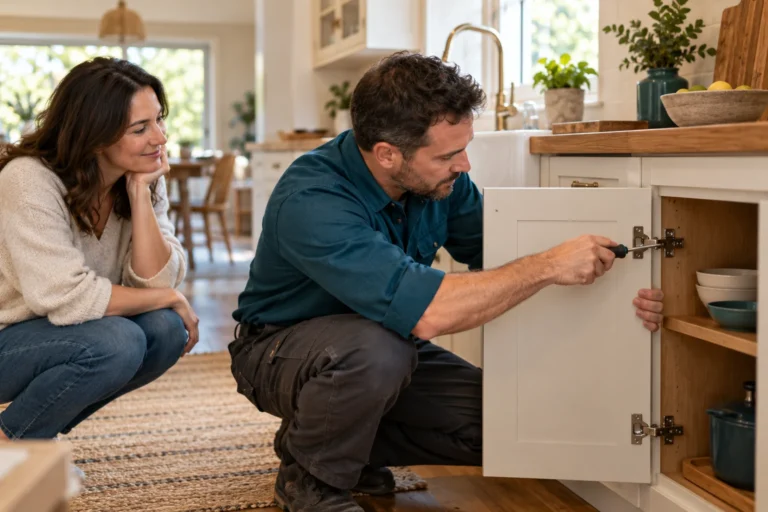
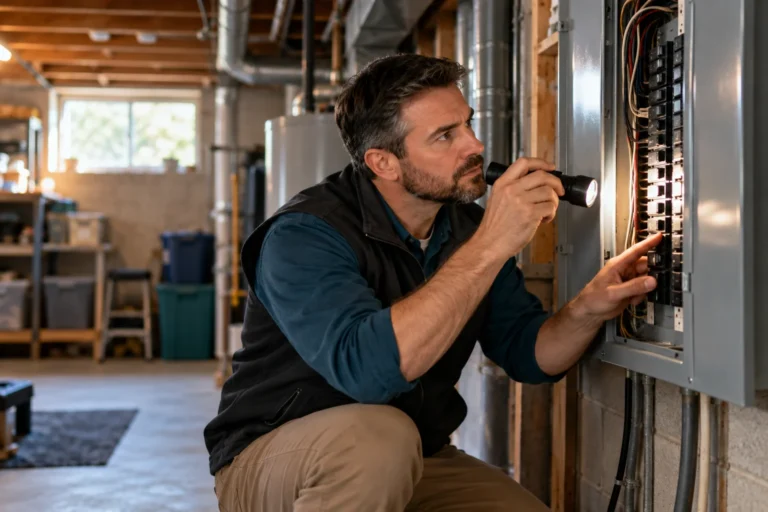
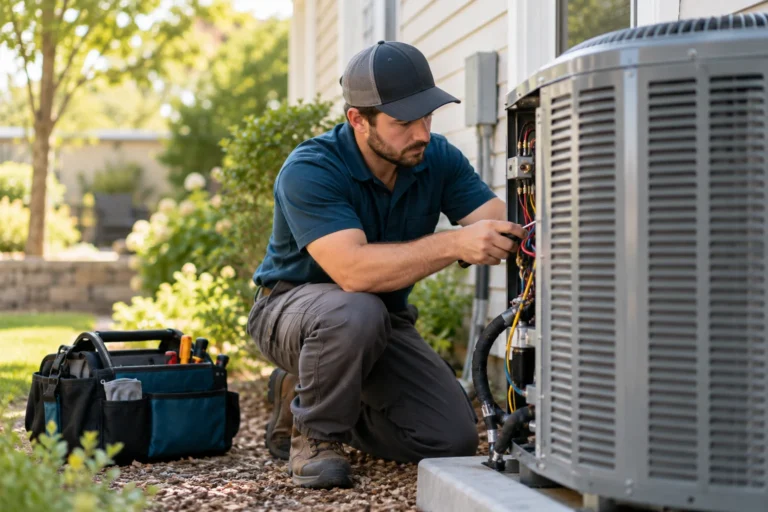
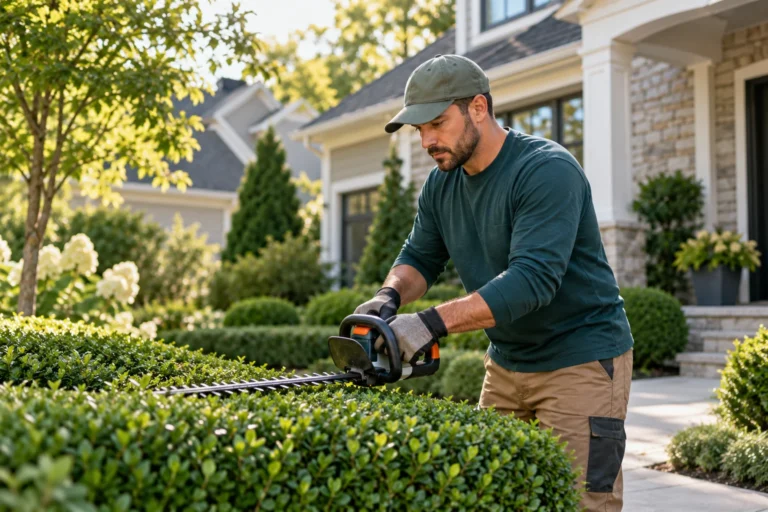
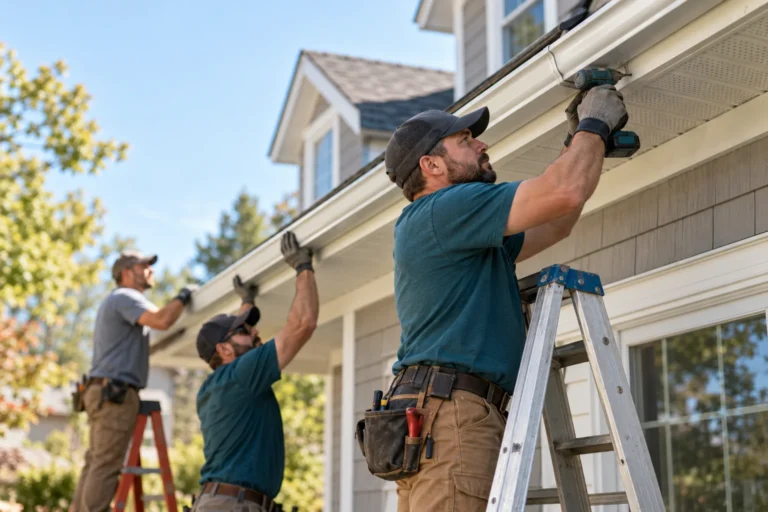
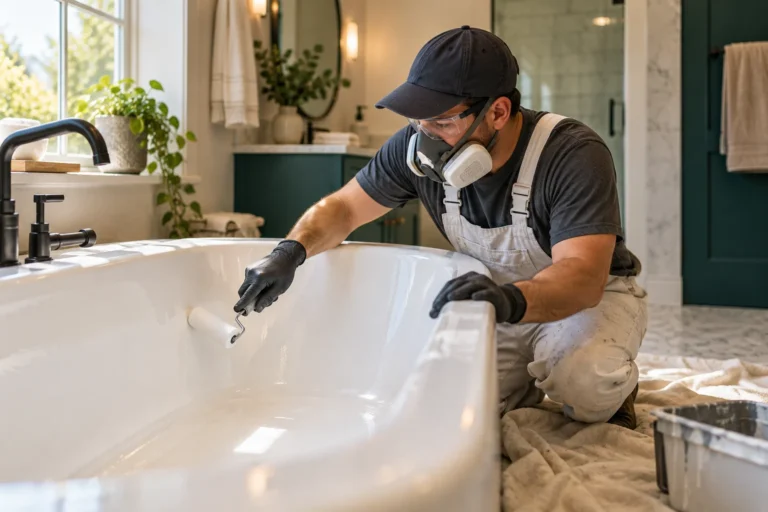
Home services franchises cover the work homeowners hire out rather than do themselves: HVAC, plumbing, handyman repairs, painting, lawn care, pest control, remodeling and more. Most operate from a small office or warehouse with a team of technicians who travel to customers, so the real estate commitment is modest compared with retail or food.
Revenue comes from a mix of one-off jobs and recurring work. A repair call or a paint project is billed per job, while maintenance plans, seasonal service and membership programs bring customers back on a schedule. Ticket sizes range from a modest service call to a large replacement or remodel. Labor is the central cost and the central constraint, which is why owners who like hiring, training and leading crews tend to do well here. Territories are usually defined by households.
Why buyers consider home services franchises
- Needs-based demand Repairs and maintenance are hard to postpone, which supports steadier revenue than many discretionary categories.
- Low real estate burden Most concepts need modest space rather than a prime retail location, keeping fixed costs down.
- Scalable with management Owners often move from dispatching and selling into managing managers as the business grows, and many add territories over time.
What it takes to invest
Home services franchises often run from roughly $75,000 to $400,000 all in, depending on the trade, the number of vans and how much equipment the first crew needs. Vehicle-heavy and equipment-heavy trades sit at the top of the range, while low-equipment concepts can start near the bottom. Budget working capital for several months of payroll and marketing before the schedule fills. Item 7 of the Franchise Disclosure Document lists the estimated initial investment for each brand.
The owner's role
Most owners start by selling jobs, hiring technicians and handling dispatch, then hand those tasks to an office manager and lead technician as volume grows. Few owners do the trade work themselves for long. The job is closer to running a small field operation: scheduling, quality control, customer complaints, vehicle upkeep and recruiting. Semi-absentee models exist, but they usually need a strong general manager from the first day.
What to evaluate
- Technician recruiting and retention in your market, the real bottleneck for most brands
- Average ticket, repeat rate and how much revenue is recurring or membership-based
- Vehicle, equipment and insurance costs over the first three years
- Territory size in households, and whether it is protected
- Seasonality and how the franchisor helps smooth it
Who tends to do well
Home services suits leaders who enjoy operations, hiring and customer service, and who are comfortable running a mobile workforce. Veterans and former managers often adapt well because the work rewards process and accountability. If you want a hands-off investment from the start, look closely at whether a brand truly supports a manager-run model.
Questions buyers ask
Do I need trade experience to own a home services franchise?
Usually not. Many franchisors recruit owners for management and sales skills and expect you to hire licensed technicians. Some trades require the owner or a qualifying employee to hold a license, and licensing varies by state, so confirm what applies where you live before you commit.
Are home services franchises recession resistant?
Repairs and essential maintenance are harder to delay than discretionary purchases, which helps. Larger projects such as replacements and remodels can still slow when budgets tighten. Ask current franchisees how their mix of repair and project work held up in softer periods.
Can I run a home services franchise semi-absentee?
Some brands allow it, but most expect an owner-operator in the first year or two. A semi-absentee model depends on hiring a capable general manager early, which adds payroll before revenue supports it. Ask each franchisor how its manager-run owners actually spend their week.