How sandwich and deli franchises work
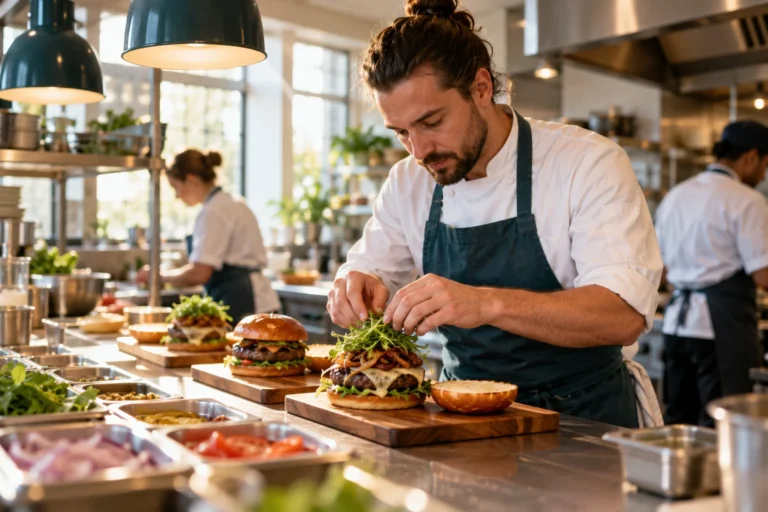
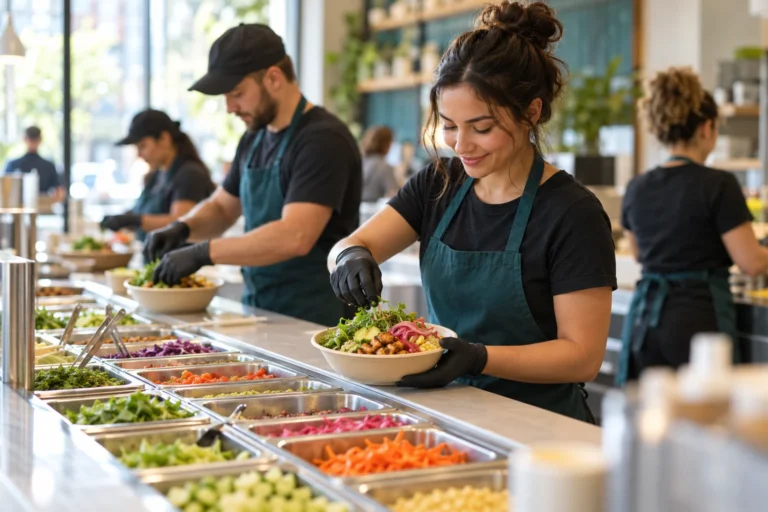
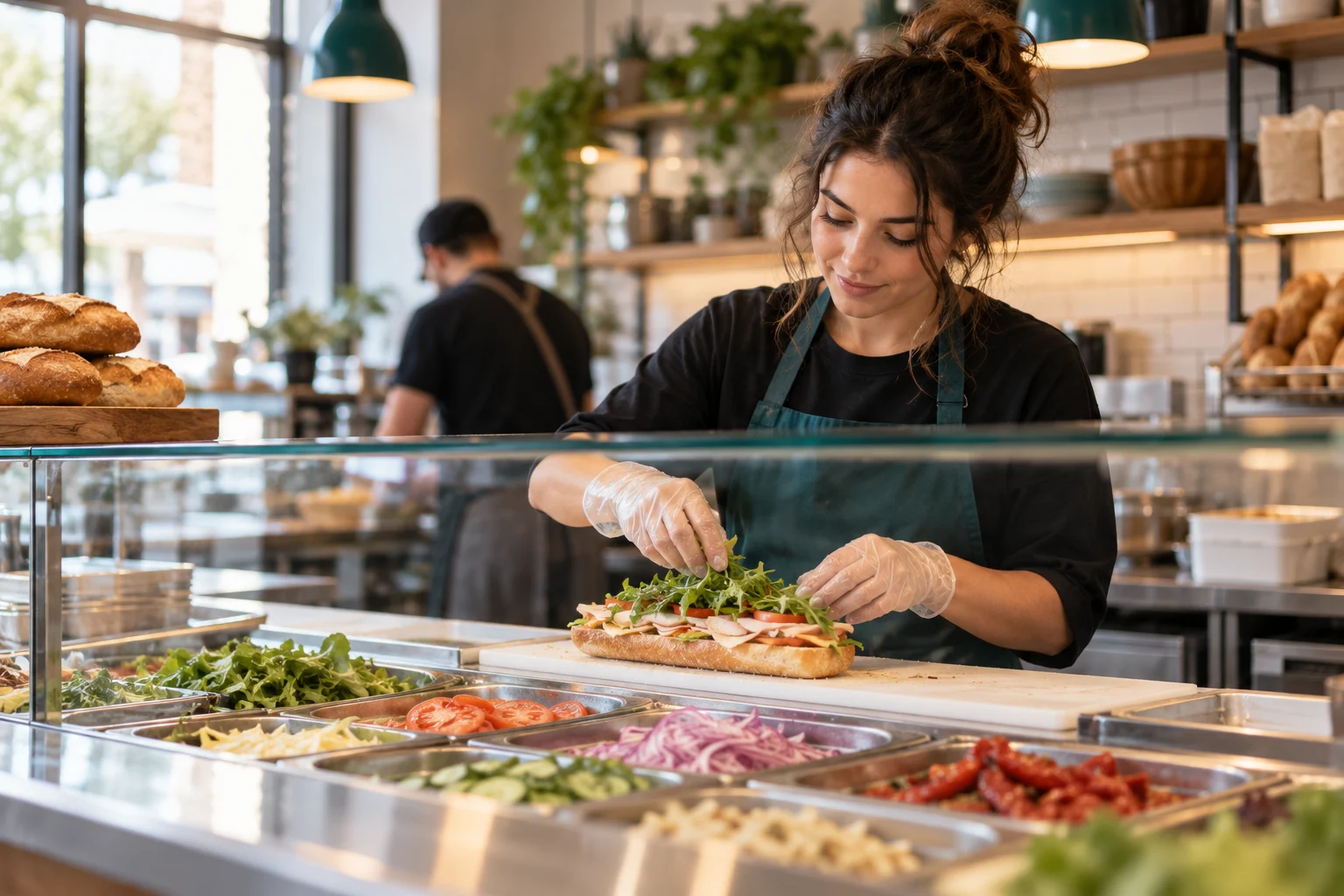
Sandwich and deli franchises sell subs, hoagies, wraps, salads, soups and sides, usually assembled to order in front of the guest. Office workers, contractors, students and shoppers make up much of the lunch crowd, and boxed lunches and party trays for businesses and events can add meaningful volume.
Kitchens tend to be compact and rely on slicing, toasting and cold preparation, which can reduce hood requirements and equipment costs compared with fry-heavy concepts. Units commonly lease small inline spaces in strip centers, near office parks or inside nontraditional venues. Because lunch is the anchor, weekday daytime population matters more than evening traffic, and the dinner daypart can be soft. Competition from grocery delis and convenience stores is real, so the bread, quality and speed of a brand need to stand out.
Why buyers consider sandwich and deli franchises
- Simpler operations Limited cooking and smaller kitchens make training easier and reduce equipment needs.
- Catering upside Office and event catering can add sizable orders that are prepared outside peak hours.
- Smaller spaces Many formats fit modest inline footprints, which can keep rent manageable.
What it takes to invest
Sandwich and deli franchises often cost roughly $200,000 to $700,000 all in, depending on square footage, whether the space needs a full build-out, local construction costs and the equipment package. Nontraditional locations can sit lower. Plan working capital for the months it takes to build a lunch and catering base. Item 7 of the Franchise Disclosure Document breaks down the estimated initial investment.
The owner's role
Owners typically work the weekday lunch rush, manage a small crew and spend time building catering accounts with nearby businesses. The work is less technical than running a full kitchen, but consistency and speed still matter. Because evening sales are often lighter, the hours can be more regular than in dinner-driven concepts. Multi-unit owners delegate store operations to managers and focus on catering sales and costs.
What to evaluate
- Weekday daytime population and office occupancy near your proposed site
- Catering share of sales and the support the brand offers to sell it
- Dinner and weekend sales at comparable units, not just lunch
- Bread sourcing, whether baked in store or delivered, and its cost
- Competition from grocery delis, convenience stores and nearby sandwich shops
Who tends to do well
Sandwich and deli franchises suit first-time food owners who want a simpler kitchen, moderate capital needs and more predictable daytime hours. Outgoing owners who enjoy business-to-business selling can grow catering. Investors seeking multiple units can also find these formats easier to replicate.
Questions buyers ask
Is a sandwich franchise easier to run than other restaurants?
Usually it is simpler, because there is little cooking, fewer pieces of equipment and a shorter menu. You still need to manage staff, food safety and speed. The lighter kitchen often makes training new crew members faster.
How important is catering for a deli franchise?
For many units it is a significant source of sales, especially near office parks and schools. Ask comparable owners what share of revenue catering represents and how much time they spend selling it.
What hours does a sandwich shop owner work?
Most of the business happens at weekday lunch, so owners often work daytime hours with lighter evenings. Early prep and catering deliveries can start the day sooner. Hours vary by location and how many units you own.