
How cookie and candy franchises work
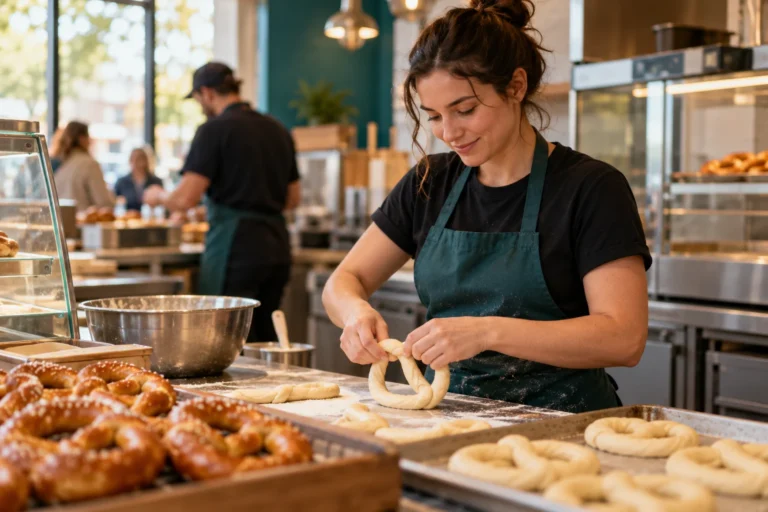
Cookie and candy franchises sell fresh-baked cookies, chocolates, fudge, bulk candy, gift boxes and party trays. Customers include shoppers looking for a treat, people buying gifts and families ordering for birthdays, holidays and office events. Some brands emphasize late-night delivery or rotating weekly flavors to drive repeat visits.
Units are often small inline shops, mall spaces or kiosks, with simple baking equipment or delivered product. Many purchases are impulse buys, so foot traffic and visibility matter, while gifting and delivery let a shop reach customers beyond walk-ins. Holidays such as Valentine's Day and the winter season can bring the busiest weeks. Tickets are modest per visit, but boxes and catering orders raise them. Social media plays a large role in promoting new flavors. Shipping gift boxes nationally is part of the model for some brands, while others stay strictly local and walk-in.
Why buyers consider cookie and candy franchises
- Modest footprint Small spaces and simple equipment can keep the investment lower than restaurant formats.
- Gifting occasions Holidays, birthdays and thank-you gifts create recurring reasons to buy.
- Simple operations Limited menus and straightforward production make staff easier to train.
What it takes to invest
Cookie and candy franchises often cost roughly $100,000 to $600,000 all in. Kiosks and small mall shops sit toward the lower end, while bake-in-store shops with seating or delivery operations sit higher. Space, ovens, display cases and build-out drive the range. Keep working capital for slower periods between holidays. Item 7 of the Franchise Disclosure Document gives the estimated initial investment.
The owner's role
Owners manage a small team, production or inventory, and promotions that keep customers returning. Holidays require extra staff and planning. Delivery-focused models may involve late hours. With a capable manager, some owners spend less time on site, though local marketing and social media still need attention. New product launches and limited flavors need planning weeks ahead.
What to evaluate
- Foot traffic and visibility at your proposed site, or delivery demand in your area
- Seasonal and holiday sales swings at comparable units
- Bake-in-store versus delivered product and the labor each requires
- Late-night operating hours, if delivery is part of the model
- Product freshness standards and waste management
Who tends to do well
Cookie and candy franchises suit owners who enjoy retail, promotions and customer interaction, and who want a smaller investment than a restaurant. They can appeal to people with retail backgrounds or those planning several small units over time. Comfort with holiday crunches is essential.
Questions buyers ask
Is a cookie franchise a low-cost franchise?
Many cost less than full restaurants because they use small spaces and simple equipment, but totals vary by format. Item 7 of the Franchise Disclosure Document shows the estimated initial investment for each brand.
Are candy shops seasonal businesses?
They often see peaks around major holidays and slower stretches in between. Ask franchisees how sales vary through the year and how they plan staffing and inventory for busy seasons.
Do cookie franchises offer delivery?
Some build their model around delivery, including late evenings, while others focus on walk-in sales and gifting. Ask how delivery is handled, its share of sales and what it costs in labor and fees.