
How cafe franchises work
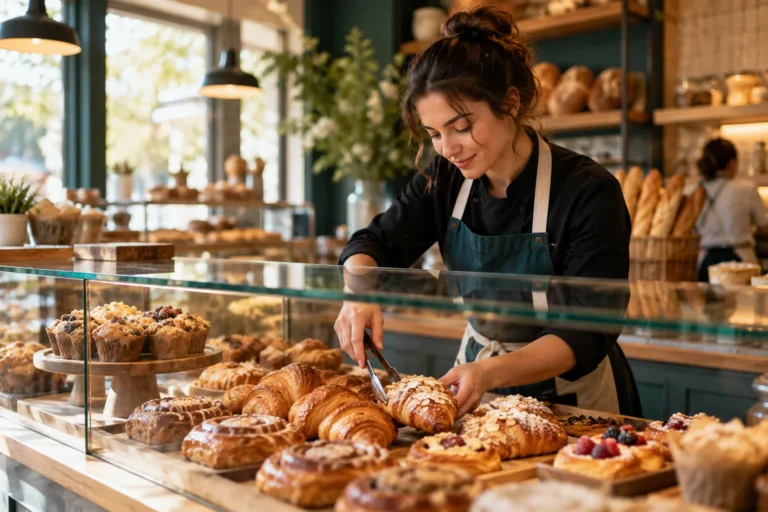
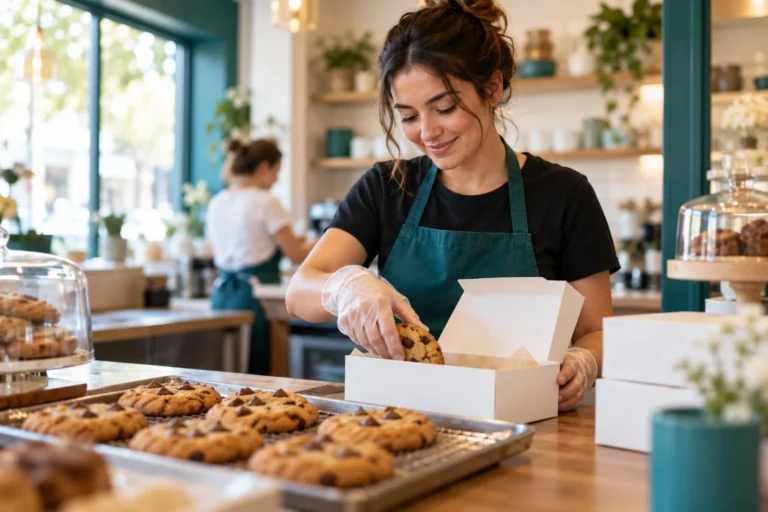
Cafe franchises serve coffee, tea, pastries, sandwiches, salads and light meals in a setting designed for lingering. Regulars include remote workers, students, neighbors meeting friends and small groups holding informal meetings. Repeat visits and personal relationships with staff are central to the model.
Drinks usually carry stronger margins than food, so the menu mix matters, and food is often prepared simply or delivered ready to finish. Units tend to be inline neighborhood spaces with comfortable seating, sometimes with patios, and long dwell times mean seat turnover is slower than at counter-service restaurants. Sales often peak in the morning and taper through the afternoon. Atmosphere, location in a walkable or residential area and a team that remembers names all shape how a cafe performs. Wi-Fi, outlets and seating policies need thought, since a full room of laptops can crowd out paying guests at peak times.
Why buyers consider cafe franchises
- Loyal regulars A good cafe becomes part of people's routines, creating frequent visits from the same guests.
- Beverage margins Coffee and tea drinks typically cost less to produce than full meals.
- Community role Owners who enjoy hospitality can build a recognized local gathering place.
What it takes to invest
Cafe franchises often cost roughly $150,000 to $700,000 all in. Space size, seating and finishes, espresso equipment, any food kitchen and the condition of the space at lease signing drive the range. Leave working capital for the time it takes to build a regular following. Item 7 of the Franchise Disclosure Document details the estimated initial investment.
The owner's role
Cafe owners are often visible behind the counter, especially early on, setting service standards and building relationships with regulars. The role covers barista training, ordering, scheduling and local events or partnerships. Early mornings are common. With a strong manager in place, some owners step back to oversight, but personality and presence matter more here than in many food formats.
What to evaluate
- Beverage versus food share of sales at comparable cafes
- Seating capacity and how long guests typically stay
- Walkability, nearby residents and offices that support repeat visits
- Espresso equipment costs, maintenance and replacement schedule
- Local independent cafes and chains already serving the area
Who tends to do well
Cafe franchises suit owners who enjoy hospitality and community, want a smaller footprint than a full restaurant and are comfortable with early hours. They often appeal to career changers who want a personal, customer-facing business with moderate capital needs. It also rewards patience while a following forms.
Questions buyers ask
What is the difference between a cafe and a coffee shop franchise?
The terms overlap. Cafes often place more emphasis on food and lingering, while coffee shops may focus on beverage speed and drive-thru. Compare menus, layouts and sales mix rather than relying on the label.
Do I need barista experience to open a cafe franchise?
Usually not. Franchisors train owners and staff on drinks and equipment. What helps more is experience leading people and serving customers. Ask what the training program covers and how long it lasts.
How long does a cafe take to build regular customers?
It varies by location and brand. Habits often form over several months, so budget working capital for a gradual ramp. Ask franchisees how sales developed during their first year. Events and local partnerships can speed it up.