
How food truck franchises work
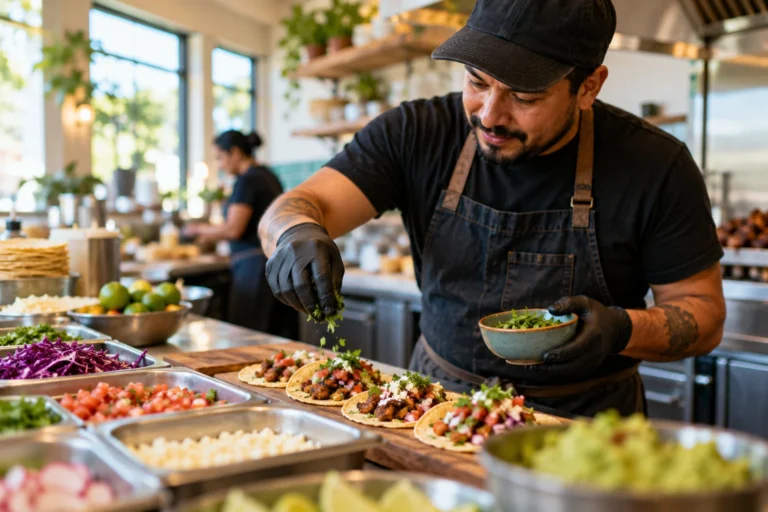
Food truck franchises operate fully equipped mobile kitchens serving menus that range from tacos and burgers to desserts and specialty items. Customers include festival crowds, office workers at business parks, neighborhood gatherings, breweries and private catering clients such as weddings and corporate events.
The truck replaces a lease, which reduces fixed occupancy cost, but vehicle maintenance, fuel, insurance and commissary fees take its place. Most cities require health permits, mobile vending licenses and a commissary for prep, cleaning and storage, and rules about where trucks may park vary widely. Revenue often comes from a mix of public service and booked catering, which can provide guaranteed minimums. Weather and event seasons shape sales, and a breakdown can mean lost days, so maintenance planning matters. Many owners announce each day's stops on social media, and repeat stops at the same sites help build regulars.
Why buyers consider food truck franchises
- Lower overhead No storefront lease means lower fixed costs than a traditional restaurant.
- Flexible locations Owners can test different areas and follow demand to events and gatherings.
- Catering revenue Private events and corporate catering can provide booked, predictable orders.
What it takes to invest
Food truck franchises often cost roughly $75,000 to $300,000 all in, depending on truck size, new versus used vehicle, kitchen equipment, branding wrap, permits and commissary arrangements. Some brands offer trailers at a lower cost. Keep working capital for maintenance, insurance and slower weather months. Item 7 of the Franchise Disclosure Document details the estimated initial investment.
The owner's role
Owners often drive and work the truck, especially early on, while managing bookings, permits, commissary scheduling and social media announcements of locations. Days can be long, including setup and cleanup. Growing to multiple trucks means hiring reliable operators and building a calendar of recurring stops and catering clients. Regular vehicle maintenance keeps the truck on the road.
What to evaluate
- Mobile vending permits and parking rules in each city you plan to serve
- Commissary availability, cost and location
- Catering share of sales at comparable trucks
- Vehicle maintenance, fuel and insurance costs
- Seasonal and weather effects on public service days
Who tends to do well
Food truck franchises suit energetic, hands-on owners who like variety, events and direct customer contact, and who want a lower investment than a restaurant. They can also suit owners who want to test a market before considering a fixed location.
Questions buyers ask
What permits does a food truck need?
Typically health permits, mobile vending licenses, fire inspections and a commissary agreement, with rules varying by city and county. Some areas limit where trucks can park. Confirm what applies where you live before purchasing a vehicle.
Is a food truck franchise cheaper than a restaurant?
Generally, yes, because there is no storefront build-out. Vehicle, equipment and permits still add up. Item 7 of the Franchise Disclosure Document shows the estimated initial investment for each brand.
Can a food truck operate year-round?
In mild climates many trucks operate all year, while colder regions often see slow winters. Catering and indoor events can help fill gaps. Ask owners in similar climates how they handle the off-season.