How bakery and dessert franchises work
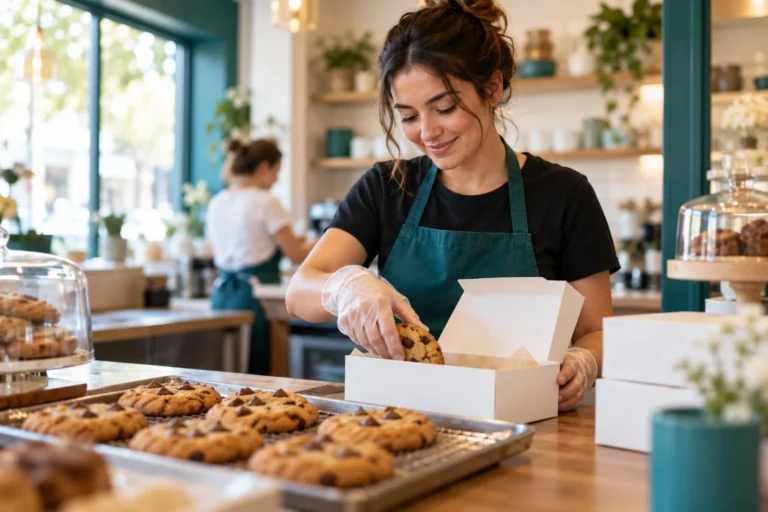
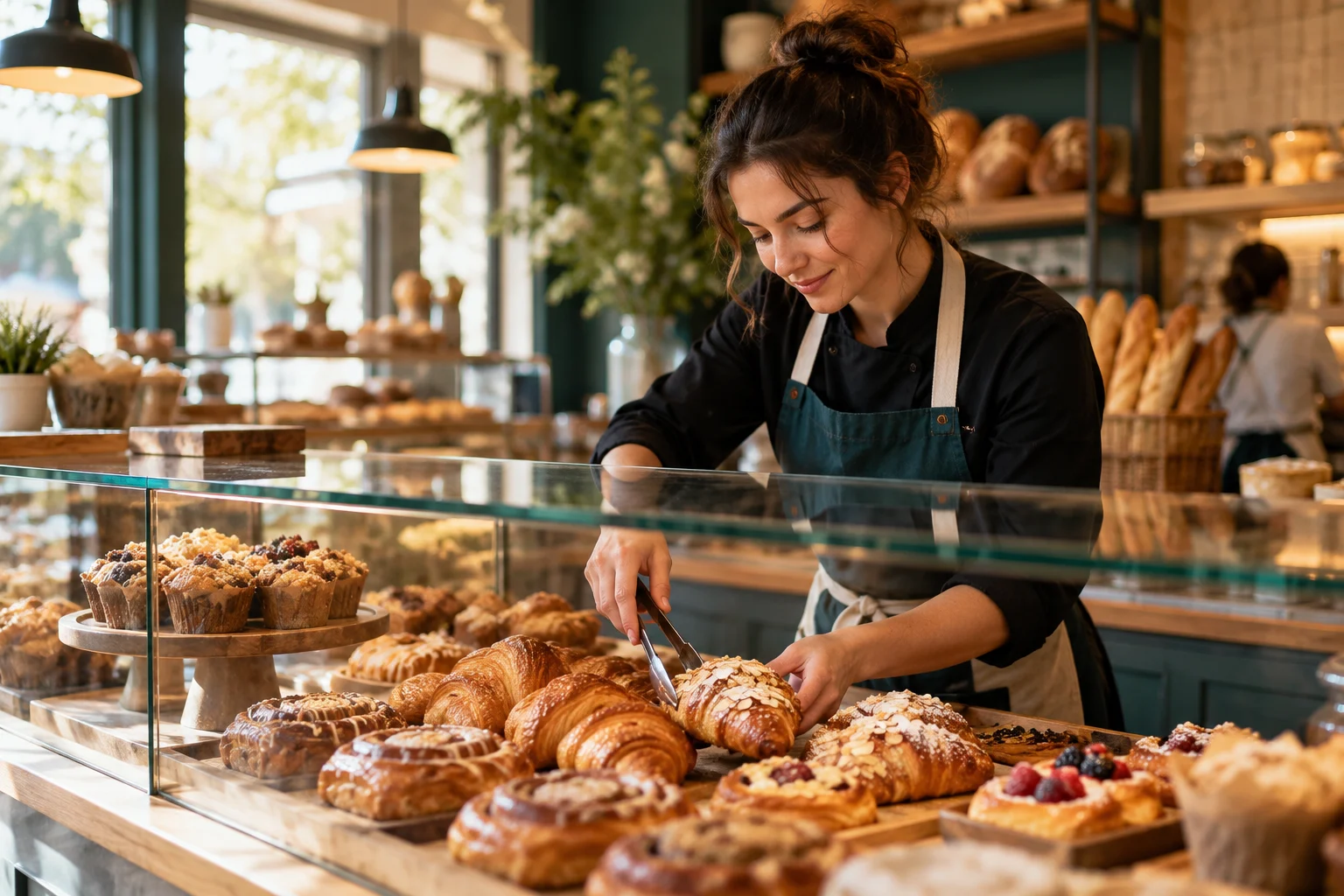
Bakery and dessert franchises sell pastries, breads, cakes, cupcakes and specialty sweets, often with coffee alongside. Customers stop in for a morning treat, pick up desserts for dinner, or order cakes and trays for birthdays, weddings, holidays and office events. Specialty and custom orders can be a meaningful share of sales and smooth out walk-in traffic.
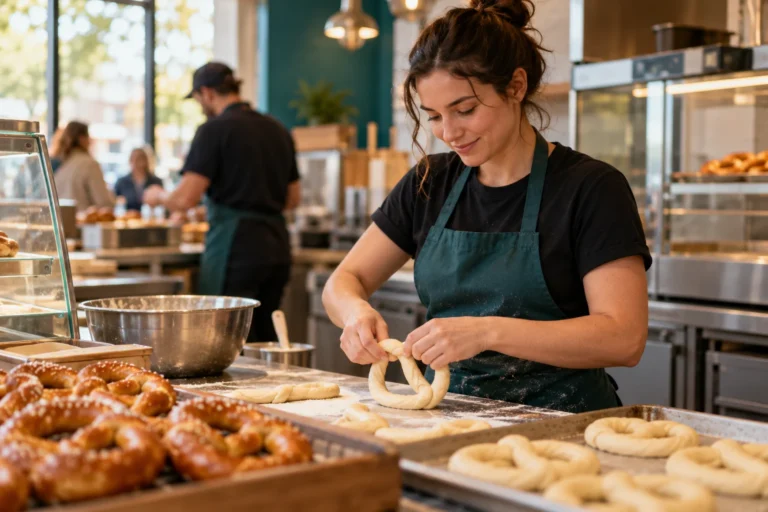
Production is the core of the business. Some brands bake from scratch in store, which requires skilled staff and early hours, while others finish par-baked or delivered products to reduce labor. Units are usually inline retail spaces with an attractive display case and a back-of-house production area. Seasonality matters, with holidays often bringing the busiest weeks. Because products are perishable, managing waste and daily production levels has a direct effect on results. Coffee service often accompanies the baked goods and lifts the morning ticket.
Why buyers consider bakery and dessert franchises
- Celebration demand Birthdays, holidays and events create recurring reasons to buy that go beyond everyday visits.
- Smaller footprint Many bakery formats operate in modest inline spaces without full restaurant kitchens.
- Community connection A neighborhood bakery often becomes a local favorite, which supports loyal repeat customers.
What it takes to invest
Bakery and dessert franchises often cost roughly $150,000 to $800,000 all in. Scratch-baking formats with ovens, mixers and proofers sit higher, while finish-only or dessert-focused shops can be lower. Space size, build-out and display equipment also shape the total. Keep working capital to cover slower months between holidays. Item 7 of the Franchise Disclosure Document gives the estimated initial investment for each format.
The owner's role
Owners often start early to oversee production and stay involved in custom orders, quality and customer relationships. The role includes forecasting daily production to limit waste, training bakers and counter staff, and marketing to schools, offices and event planners. Holiday seasons are intense. Owners who add units usually hire experienced managers or lead bakers to run each shop.
What to evaluate
- Scratch baking versus finishing delivered products, and the skill and labor each requires
- Share of sales from custom and celebration orders at comparable units
- Waste levels and how the brand helps forecast daily production
- Seasonal swings in sales and how owners cover slower months
- Equipment maintenance and replacement costs for ovens and refrigeration
Who tends to do well
Bakery and dessert franchises suit owners who enjoy product quality, customer relationships and early mornings, and who want a smaller footprint than a full restaurant. They are often a good match for people with retail or hospitality backgrounds and an eye for presentation.
Questions buyers ask
Do I need baking experience to own a bakery franchise?
Usually not. Franchisors train owners and staff, and many formats use par-baked or delivered products. Scratch-baking brands may expect you to hire skilled bakers. Ask what training covers and who does the baking in a typical unit.
What hours does a bakery franchise owner work?
Early mornings are common because products need to be ready at opening. Holidays and wedding season add long days. Hours ease once you have trained managers and bakers, but expect a hands-on schedule at first.
How do bakery franchises handle waste?
Perishable products mean careful daily forecasting. Many brands provide production planning tools and suggest donating or discounting unsold items. Ask franchisees what waste levels look like and how they manage them.