How pet grooming franchises work
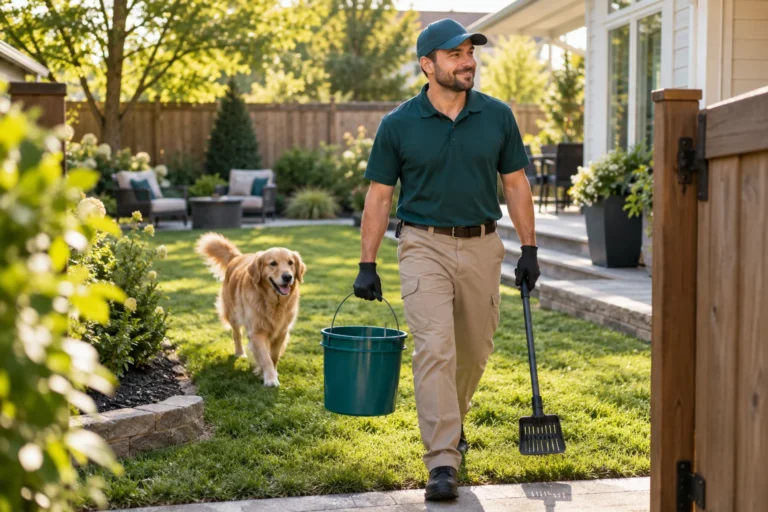
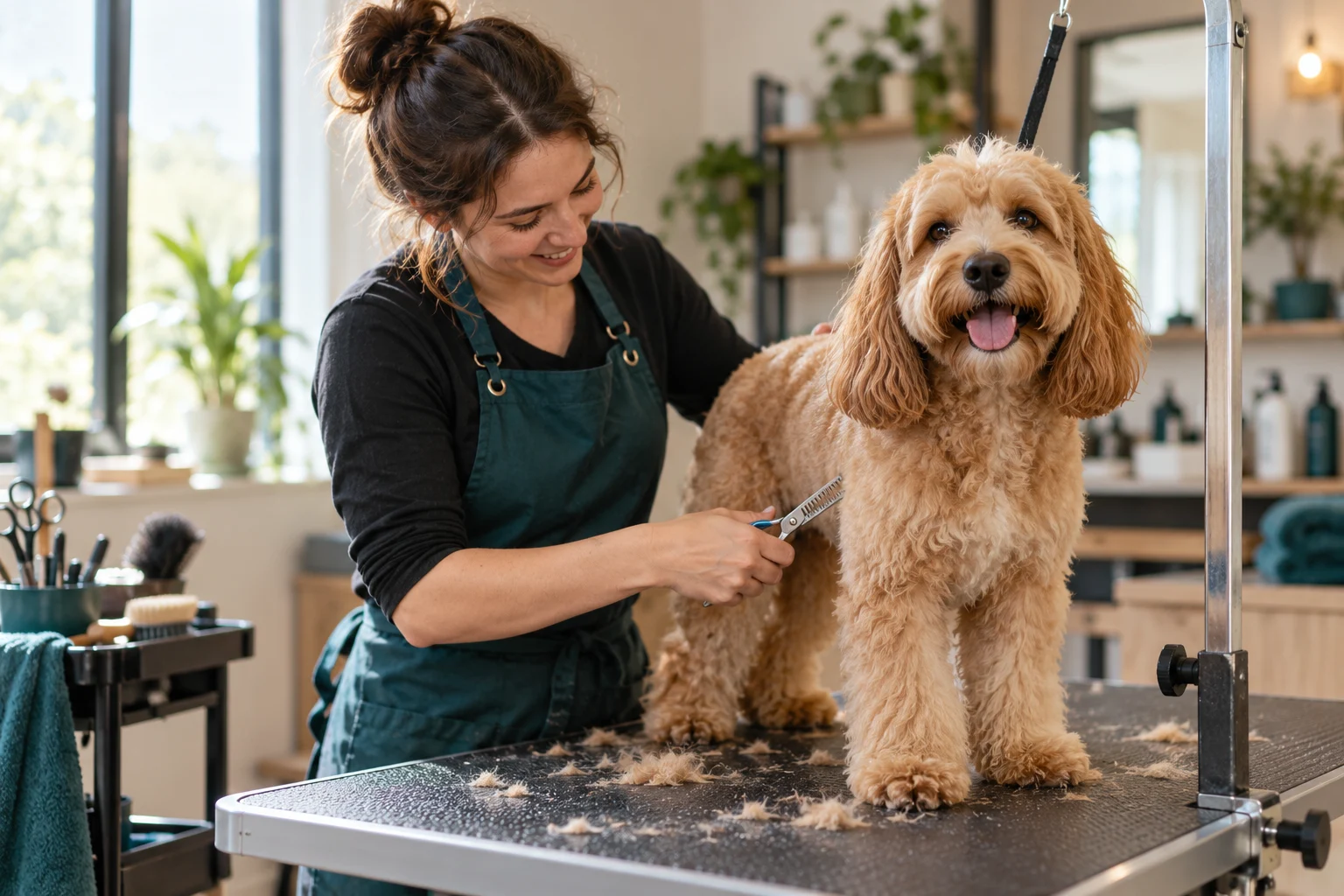
A pet grooming franchise provides baths, haircuts, nail trims, ear cleaning, de-shedding and specialty treatments for dogs and sometimes cats. Some brands operate storefront salons, while others use mobile grooming vans that come to the customer's driveway. Customers are pet owners with breeds that need regular coat care, busy households that value convenience and owners of anxious or older pets who prefer a calm, one-on-one setting.
Revenue comes from appointments that repeat every several weeks, plus add-ons like teeth brushing and coat treatments. Tickets vary by breed size and coat condition. Salons need a retail location with tubs, tables, dryers and kennels, while mobile units concentrate the investment in specially equipped vans. Skilled groomers are the limiting resource in both models, so recruiting, training and retaining them shapes how fast the business can grow.
Why buyers consider pet grooming franchises
- Rebooking rhythm Coats grow back on a schedule, so satisfied clients book their next appointment before leaving.
- Salon or mobile choice You can pick a storefront model or a van-based model that brings service to the door.
- Personal connection Pets and owners bond with their groomer, which builds loyalty that competitors find hard to win away.
What it takes to invest
Pet grooming franchises often require roughly $100,000 to $400,000 all in. Mobile concepts depend largely on the number and cost of grooming vans, while salons depend on buildout, plumbing, equipment and rent. Initial marketing, training and working capital to carry groomer payroll add to the total. The van or salon line items appear in Item 7 of each brand's Franchise Disclosure Document.
The owner's role
Most grooming franchise owners manage rather than groom. The work includes recruiting and keeping groomers and bathers, managing the appointment book, handling customer concerns and marketing locally. Some owners with grooming skills choose to work on the table, especially early on. Mobile owners also manage van maintenance and routing. Either way, groomer retention is where owners spend much of their attention.
What to evaluate
- Groomer availability and pay in your area, and how the brand helps recruit and train
- Mobile van costs, maintenance and downtime plans if a vehicle is off the road
- Animal safety protocols and insurance for grooming incidents
- Booking software and how the brand drives rebooking and retention
- State or local licensing rules that apply to grooming businesses where you live
Who tends to do well
Pet grooming suits owners who love animals, value craftsmanship and are prepared to make groomers feel valued. Many women owners and career changers find it rewarding. Mobile formats suit those who want a lighter real estate commitment, while salons suit owners who want a visible storefront and room for retail sales.
Questions buyers ask
Is mobile grooming better than a salon?
Neither is better in every market. Mobile grooming offers convenience and avoids a storefront lease, but each van serves fewer pets per day. Salons can handle more appointments with more staff and add retail sales. Compare startup costs, groomer staffing needs and local demand for each.
Do I need to be a groomer to own a grooming franchise?
No. Most brands are designed for owners who manage the business and hire professional groomers. Grooming experience can help with training and quality checks, and some owners do groom. Ask the franchisor what it expects of you and how it trains new groomers.
How do grooming franchises handle groomer shortages?
Strong brands invest in recruiting tools, apprentice or academy programs and pay structures that keep groomers loyal. Ask current owners how long it took to staff their location, how often groomers leave, and what the franchisor does in practice when a location is short-handed.