How embroidery and promotional products franchises work
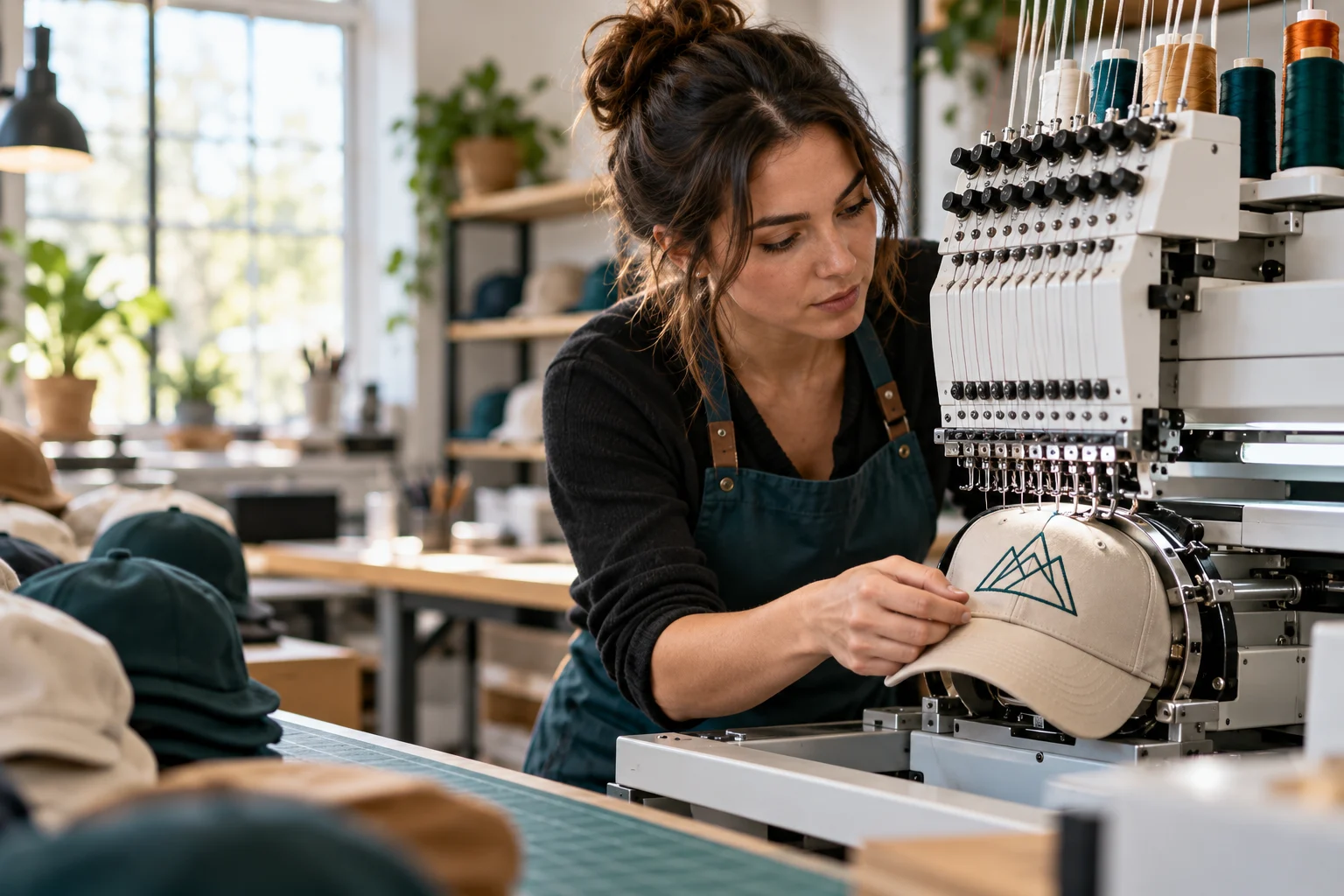
Embroidery and promotional products franchises create logoed apparel, uniforms, caps, bags and branded giveaways for businesses, schools, sports teams, churches, nonprofits and event organizers. Some models run embroidery machines and printers in-house, while others source products and decoration through franchisor partners and focus on selling and account management.
This is primarily a business-to-business model. Orders range from a few dozen caps to large uniform programs, and good accounts reorder for new hires, seasons and annual events. Margins come from product markup and decoration charges. Home-based and small-studio formats keep overhead low, though in-house production needs space, equipment and a trained operator. The owner's time often goes to prospecting, quoting and managing orders, since relationships drive repeat revenue. Tickets vary with order size, and the busiest periods tend to line up with school starts, sports seasons, trade shows and year-end corporate gifting.
Why buyers consider embroidery and promotional products franchises
- Repeat business accounts Uniforms, staff apparel and annual events bring the same customers back season after season.
- Low overhead options Home-based and studio formats avoid retail rent and long store hours.
- Broad customer base Almost every organization needs branded items, from local businesses to teams and schools.
What it takes to invest
Embroidery and promotional products franchises often run from roughly $50,000 to $250,000 all in, depending on whether you produce in-house, the equipment package, and whether you work from home or lease a studio. Outsourced decoration models usually sit at the lower end. Keep working capital for marketing and supplier payments. Item 7 of the Franchise Disclosure Document lists each brand's estimate.
The owner's role
Owners spend much of their week selling, networking, quoting and managing customer accounts. In production models, they also learn the machines or hire an operator. The schedule is mostly business hours, with deadline pushes before events and sports seasons. Growth comes from adding sales staff and larger corporate programs. Reorder reminders keep accounts active.
What to evaluate
- In-house production versus outsourced decoration, and the cost of each
- Equipment financing, maintenance and training requirements
- Supplier pricing and whether you can source outside the franchise network
- Competition from online custom-apparel sellers
- Sales and prospecting support for building business accounts
Who tends to do well
This category suits relationship-driven sellers and organized project managers who enjoy working with businesses and community groups. Former sales professionals, corporate managers and well-networked parents often do well. It can suit owners seeking a home-based or lower-cost start with business-hours scheduling.
Questions buyers ask
Can an embroidery or promotional products franchise be home-based?
Many can, especially models that outsource decoration. In-house embroidery needs space for machines and inventory, which may be a garage, studio or small industrial unit. Confirm local zoning rules for home-based production.
Who are the main customers?
Local businesses, schools, sports teams, churches, nonprofits and event organizers. Most revenue comes from business accounts that reorder, so ask current owners how they find and keep those customers. Referrals matter here.
Do I need design or machine experience?
Most franchisors train owners on equipment, artwork preparation and ordering. Sales skills often matter more. Ask how long training lasts and what ongoing support is available when a production problem arises. Ask current owners too.