How sporting goods franchises work
Sporting goods franchises include running and walking stores, team sports shops, resale sporting goods, and stores focused on a single sport such as hockey, lacrosse or cycling. Customers are athletes, parents outfitting kids for each season, schools, clubs and recreational players.
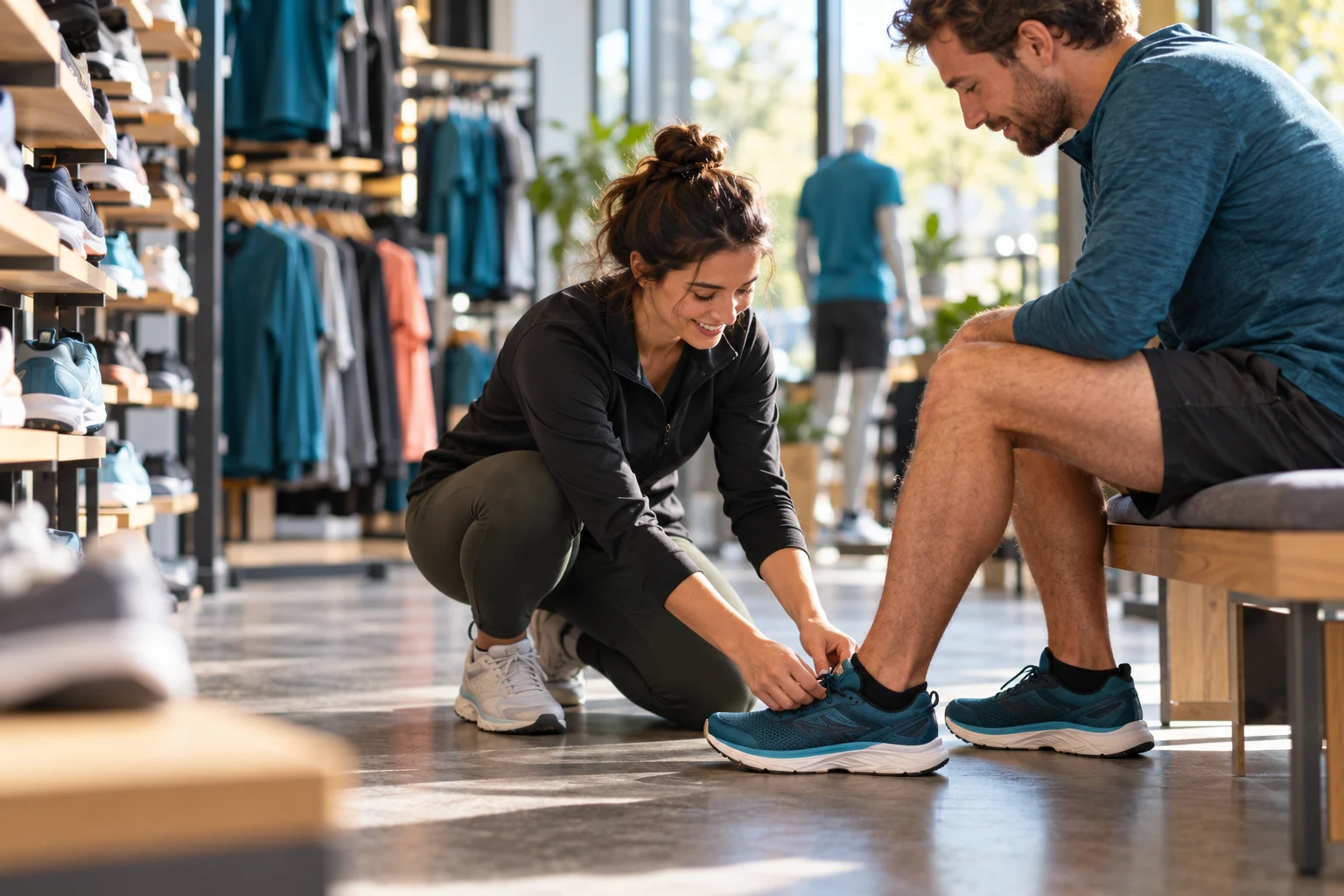
Revenue blends retail sales with fitting services, team uniform orders and sometimes repairs or trade-ins. Expertise is the defense against online competition: gait analysis, skate sharpening or equipment sizing cannot be done through a screen. Team and school accounts provide recurring larger orders. Inventory is significant and seasonal, so buying and turnover matter. Stores typically lease a strip or lifestyle-center space and employ associates who play or understand the sports they sell. Repairs, trade-ins and services such as skate sharpening or bike tune-ups bring customers back between purchases. Club and school relationships often decide which store gets the large orders each season.
Why buyers consider sporting goods franchises
- Fitting expertise Proper sizing and fit build trust and repeat customers who will not risk guessing online.
- Team and school orders Uniforms and equipment for clubs and schools add large, recurring sales.
- Community events Group runs, clinics and race sponsorships make the store part of the local sports scene.
What it takes to invest
Sporting goods franchises often run from roughly $200,000 to $600,000 all in, depending on store size, fixtures, opening inventory, fitting equipment and local rents. Seasonal inventory requires cash ahead of each sports season. Keep working capital for slower periods. Item 7 of the Franchise Disclosure Document lists each brand's estimate.
The owner's role
Owners usually manage buying, staff training and team sales while building relationships with clubs, schools and race organizers. Many work the floor early on. Over time, a store manager can run daily operations while the owner focuses on accounts, events and inventory planning. Weekends and the start of each sports season are the busiest times, so expect long days then and steady planning in between.
What to evaluate
- Inventory investment, seasonal buys and markdown practices
- Vendor relationships and access to sought-after brands
- Share of revenue from team and school accounts
- Competition from big-box sporting goods chains and online sellers
- Staff expertise needed for fitting and service
Who tends to do well
Sporting goods stores suit owners who love sports, enjoy community events and can manage inventory carefully. Former athletes, coaches and retail managers often fit well. The business rewards owners who build relationships with teams and local sports organizations. Steady inventory discipline is essential.
Questions buyers ask
How do specialty sporting goods stores compete with big chains?
Through expertise, fitting, service and community ties. Team accounts and events also help. Ask current owners which revenue streams carry their stores and how they price against online sellers. Visit stores before deciding.
How seasonal is a sporting goods franchise?
Seasonality depends on the sports covered and your climate. Team sports follow school seasons, while running stores see steadier demand. Ask how owners manage inventory around peaks. Ask about markdowns too.
Can I use an SBA loan for a sporting goods franchise?
Many retail franchises use SBA-backed financing, but eligibility depends on the lender, the brand and your credit and capital. Speak with a franchise-experienced lender and have an attorney review the agreements.